

Key takeaways
- Compare three Sony vlogging cameras for YouTube, travel, and cinematic footage, with strong autofocus, clean audio, and lens options for your filming style.
Sony makes several cameras built for vlogging, and they can look surprisingly alike at first glance. The real decision is about how you shoot: how much camera you want to carry, whether you want to change lenses, and how much low-light performance and cinematic control matter to your videos. A pocket camera that is always with you will film more than a powerful camera left at home, while a larger sensor and swappable lenses open up looks a small fixed-lens camera cannot reach.

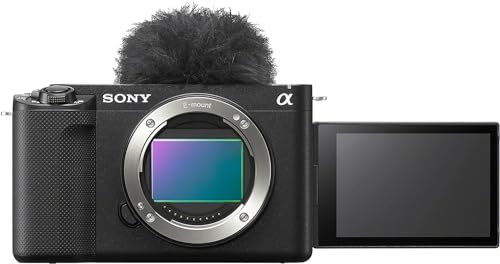
This guide covers three Sony vlogging cameras that suit different creators, from a pocket-sized compact for daily filming to an interchangeable-lens APS-C camera for growing channels and a full-frame body for a cinematic look. Each pick is a genuine Sony camera for video creators, with autofocus built for filming yourself, a flip-out screen, and a microphone made for clear voice recording. Read the buying guidance first, then match one to the way you actually film.
Quick Picks
As an Amazon Associate we earn from qualifying purchases
| Product | Best for | Key spec from title |
|---|---|---|
| Sony ZV-1 II Vlog Camera for Content Creators and Vloggers – Black | Everyday carry and travel vlogging | 20.1 MP 1-inch sensor, 18-50mm wide-angle zoom |
| Sony Alpha ZV-E10 II – APS-C Interchangeable Lens Mirrorless Content Creators’ Camera – Black – with Lens | Growing channels that want lens options | 26 MP APS-C sensor, 16-50mm kit lens |
| Sony Alpha ZV-E1 Full-Frame Interchangeable Lens Mirrorless Vlog Camera – Black Body | Cinematic footage and low-light filming | 12.1 MP full-frame sensor, body only |
How to Choose
Sensor size and low-light performance
The sensor is the part of the camera that gathers light, and its size shapes how your footage looks in dim rooms, at night, and indoors. A 1-inch sensor like the one in the ZV-1 II is much larger than a phone sensor and gives clean, detailed footage in good light while keeping the camera small enough for a jacket pocket. An APS-C sensor gathers more light and gives a softer background behind your face, which suits talking-head videos and indoor filming. A full-frame sensor gathers the most light and holds detail in dark scenes, which suits evening shoots and moody cinematic footage. Match the sensor to where you film most, not to the biggest number on the box.
Fixed lens or interchangeable lenses
Some Sony vlogging cameras have a built-in lens, and some let you swap lenses. A fixed lens keeps things simple: nothing to buy, nothing to change, and nothing to forget at home, which suits filming on the move. The ZV-1 II takes this route with a wide 18-50mm zoom that covers selfie framing and medium shots without extra gear. Interchangeable-lens cameras like the ZV-E10 II and the ZV-E1 trade that simplicity for flexibility, letting you add a wide lens, a fast prime, or a longer zoom. Choose a lens mount if you enjoy building a kit over time, and a fixed lens if you want one camera that is ready the moment you pick it up.
Autofocus and audio
Vlogging means filming yourself, often while walking, so the camera must hold focus on your face. All three cameras here use Sony autofocus that locks onto eyes and faces and tracks a moving subject, which matters far more than a difference in resolution. Look for focus that stays sharp when you step closer or hold up a product, and that does not hunt in low light. Audio matters just as much, because viewers forgive a slightly soft image far more readily than they forgive muffled or windy sound. Each pick here has a built-in directional microphone for voice recording, and the two mirrorless models add microphone and headphone jacks so you can monitor sound and add a microphone later.
Size, weight, and recording time
A vlogging camera earns its keep by being with you, so size and weight deserve as much attention as the sensor. The ZV-1 II is a pocket compact that slips into a small bag and weighs about a pound with its battery, making it the easiest to carry all day. The ZV-E10 II is still light for a mirrorless camera, yet it needs a bag once a lens is attached, and the ZV-E1 rewards you with image quality while asking for a lens, a bag, and more planning. Video fills memory cards fast and drains batteries quicker than still photos, so carry a spare battery and buy a fast card that meets the camera’s stated standard before your first shoot.
The 3 Best Options
1. Sony ZV-1 II Vlog Camera for Content Creators and Vloggers – Black
The ZV-1 II is the simplest way into Sony vlogging, and for many creators it is the only camera they need. Its wide 18-50mm zoom covers selfie framing at arm’s length, so you can hold the camera out, see yourself on the flip-out screen, and talk into the lens unaided. The large 1-inch sensor keeps footage clean and detailed in daylight and indoors, while the built-in microphone captures clear voice audio without extra gear. It turns on fast and fits in a pocket, so you film instead of choosing equipment. For daily vlogs, travel clips, and short social videos, its size is its greatest strength.
Specs
- 20.1 MP 1-inch Exmor RS sensor
- 18-50mm wide-angle zoom lens
- 4K video recording
- Intelligent 3-capsule microphone
- Model number ZV1M2/B
- Item weight 16 ounces
Best for: creators who want a pocket camera that is always ready to film daily vlogs, travel clips, and short social videos.
Watch out for: the lens is fixed, so you cannot swap it for a wider or faster lens later, and the 1-inch sensor gathers less light than the APS-C and full-frame picks in this guide.
2. Sony Alpha ZV-E10 II – APS-C Interchangeable Lens Mirrorless Content Creators’ Camera – Black – with Lens
The ZV-E10 II is the pick for creators who have outgrown a compact camera and want room to grow. Its 26 MP APS-C sensor is larger than the ZV-1 II sensor, giving softer backgrounds and cleaner dim-room footage, and the included 16-50mm power zoom lens covers everyday framing. The lens mount accepts Sony E-mount lenses, so you can later add a fast prime or a wide lens without buying a new camera body. The vari-angle touchscreen flips out for selfie filming and supports vertical video, while Real-time Eye AF keeps your face sharp as you move. It is the most flexible camera here for a channel that keeps changing.
Specs
- 26 MP APS-C back-illuminated Exmor R CMOS sensor
- E PZ 16-50mm F3.5-5.6 OSS II zoom lens included
- 5.6K oversampling into 4K 60p video
- 10-bit 4:2:2 video recording
- Vari-angle touchscreen with vertical mode
- Real-time Eye AF with 759 autofocus points
- 3-capsule directional microphone with windscreen
- Microphone jack and headphone jack
Best for: growing channels that want interchangeable lenses, a larger sensor than a compact camera, and a kit lens included in the box.
Watch out for: image stabilization is digital and lens-based, so very shaky walking shots may still need a steady hand or a small grip, and a second lens is an extra purchase when you want a different look.
3. Sony Alpha ZV-E1 Full-Frame Interchangeable Lens Mirrorless Vlog Camera – Black Body
The ZV-E1 is Sony’s full-frame vlogging camera, and it is the pick for creators chasing a cinematic look. Its 12.1 MP full-frame sensor is built for 4K video rather than high-resolution stills, which gives strong low-light performance, natural background blur, and wide dynamic range for grading afterward. The Cinematic Vlog Setting lets you shape the look in camera by choosing a mood and a focus transition speed, while AI-based Auto Framing keeps you centered when you film yourself without an operator. Its compact body fits a small rig for travel and documentary work. This is the camera to choose when image quality leads every other consideration.
Specs
- 12.1 MP full-frame Exmor R sensor
- 4K video with direct pixel readout
- 10-bit 4:2:2 color sampling
- Cinematic Vlog Setting
- AI-based Auto Framing and Framing Stabilizer
- Multiple Face Recognition
- Product Showcase setting and Background Bokeh Control
- Item weight 1.1 pounds
Best for: creators who want a cinematic full-frame look, strong low-light footage, and AI framing tools for solo filming.
Watch out for: this listing is body only, so you must buy a lens separately before you can film, and it has a single card slot, so carry a spare card for long shoots.
Which One Fits Your Situation
You want your first vlogging camera
Choose the Sony ZV-1 II. It needs no lens decisions, fits in a pocket, and begins recording in seconds, so you can focus on learning to talk to the camera instead of learning camera menus. Its wide zoom and built-in microphone cover daily vlogs and travel clips without extra gear, and its size means you will actually carry it everywhere. If you later want interchangeable lenses, you can move up to the ZV-E10 II knowing exactly which features you missed.
You run a growing channel and want lens options
Choose the Sony ZV-E10 II. Its APS-C sensor gives a clear step up in image quality from a compact camera, the included kit lens covers everyday filming, and the E-mount lets you add a fast prime or a wide lens as your style develops. Real-time Eye AF and the vari-angle screen make solo filming reliable, while the microphone and headphone jacks leave room for better audio as your audience grows. It is the most flexible long-term pick in this guide.
You film in low light and want a cinematic look
Choose the Sony Alpha ZV-E1. Its full-frame sensor holds detail in dark rooms and evening streets, and the Cinematic Vlog Setting shapes the mood of your footage in camera. AI-based Auto Framing keeps you centered while you film alone, and the wide dynamic range gives you room to grade your footage afterward. Remember to budget for a lens, since this listing is body only, and pick a wide lens first if you film yourself at arm’s length.
You travel light and film vertical video
Choose the Sony ZV-1 II for the smallest kit or the Sony ZV-E10 II if you want lens options with a still-compact body. Both have flip-out screens that suit vertical filming for short-form platforms, and both record 4K video that holds up on phones and laptops alike. Pack one spare battery and a fast card, keep the kit to a single lens or none at all, and you can film a full day of travel without a heavy bag.
Common Mistakes
- Buying a body-only camera without a lens. The ZV-E1 listing in this guide is body only, so check the listing carefully and add a lens to your plan before you buy, or you will own a camera that cannot film anything.
- Choosing on resolution alone. A higher megapixel count does not make better vlogs. Autofocus that holds your face, clean audio, and a sensor that performs in low light matter far more for most creators than the difference between resolutions.
- Forgetting audio. Viewers forgive a slightly soft image far more readily than they forgive bad sound. Use the built-in directional microphone well, shield it from wind, and add an external microphone when your videos depend on clear voice.
- Skipping the battery and card budget. Video fills cards fast and drains batteries quicker than still photos. Buy a fast card that meets the camera’s stated standard and at least one spare battery before your first important shoot.
- Assuming every listing is the same camera. Several of these cameras are sold in multiple configurations, such as body-only, kit, and accessory bundles. Read the listing carefully and confirm the included lens, battery, and accessories before buying.
Frequently Asked Questions
Which Sony vlogging camera is best for beginners?
The Sony ZV-1 II is the best first pick for most beginners. It has a fixed wide zoom lens, so there is nothing to choose or change, and its flip-out screen and built-in microphone make selfie filming simple. Its pocket size means you will carry it everywhere, which matters most when you are learning. Move to an interchangeable-lens model only when you know which lens you are missing.
Do I need an interchangeable-lens camera for vlogging?
No, and many creators never do. A fixed-lens camera like the ZV-1 II covers daily vlogs, travel clips, and talking-head videos with no extra gear to buy or carry. An interchangeable-lens camera earns its keep when you want a specific look, such as a very wide angle for tight rooms or a fast prime for soft backgrounds, or when you film many kinds of video that one lens cannot cover.
Can Sony vlogging cameras record vertical video?
Yes. The ZV-E10 II has a vari-angle touchscreen with a vertical mode that makes filming upright clips for short-form platforms straightforward, and the ZV-1 II and ZV-E1 both have flip-out screens that let you frame yourself while filming vertically. Check the listing for your chosen camera to confirm how vertical filming is handled, since the menu steps differ slightly between models.
Does the Sony ZV-E1 come with a lens?
No, the ZV-E1 listing in this guide is body only, so no lens is included in the box. You will need a Sony E-mount lens before you can film, and a wide lens is the best first choice for selfie framing. If you want a camera that is ready to film the moment it arrives, choose the ZV-1 II or the ZV-E10 II kit instead, since both include a lens.
More from Amazon
Programs that pair well with the guide above. Offers and eligibility are set by Amazon and may change.
Free shipping on eligible items, Prime Video and more. Eligible new members can start with a free trial.
Start a Prime free trialAd-free music streaming. Eligible new subscribers can start with a free trial.
Try Music Unlimited freeA Prime membership for ages 18-24 with a trial period. Eligibility is set by Amazon.
See Prime for Young AdultsAudiobooks and podcasts to listen to on the go. Eligible new members can start with a free trial.
Try Audible freeAs an Amazon Associate we earn from qualifying purchases.
Write Your Review
No reviews yet. Be the first to share your experience!