

Our Short List of 3

- Best for: Photographers who want one balanced full-frame body for portraits, ceremonies, and receptions.
- 33MP full-frame Exmor R back-illuminated CMOS sensor
- BIONZ XR image processing engine
- 4K 60p 10-bit 4:2:2 video recording
- S-Cinetone color profile

- Best for: Photographers who need fast, dependable autofocus and simple dual-SD backup through a long wedding day.
- 24.2MP full-frame CMOS sensor
- Dual Pixel CMOS AF II with subject detection
- 6K oversampled 4K video recording
- Two SD card slots, both UHS-II

- Best for: Hybrid wedding shooters who need fast response, low-light autofocus, and serious video in one body.
- 24.5MP partially stacked full-frame CMOS sensor
- 6K/60p internal RAW video recording
- Two card slots: CFexpress Type B/XQD and SD
- 8-stop in-body image stabilization
All 4 Picks at a Glance
| Product | Specs | Action |
|---|---|---|
| Sony Alpha 7 IV (Body Only) |
| Check price on Amazon |
| Canon EOS R6 Mark II (Body Only) |
| Check price on Amazon |
| Nikon Z6 III (Body Only) |
| Check price on Amazon |
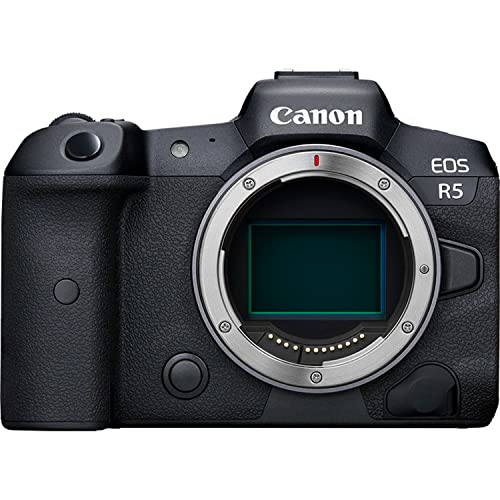 Canon EOS R5 (Body Only) |
| Check price on Amazon |
Key takeaways
- The 5 best cameras for wedding photography, chosen for low-light performance, reliable autofocus and dual card slots. Compare full-frame bodies before you buy.
A wedding gives you one chance at every moment that matters, and the camera you carry has to handle all of them: a dim ceremony, a fast-moving processional, quiet portraits in mixed light, and a crowded dance floor late at night. The real decision is not which camera takes the sharpest photo in good light, but which body you can trust when the light drops, the action speeds up, and there is no second take.
This guide is for working wedding photographers, second shooters, and serious photographers taking on their first paid wedding. Every camera below was chosen from the product name and specifications stated on its Amazon listing, with a focus on full-frame sensors, dependable autofocus, low-light ability, and two memory card slots for in-camera backup.
Quick Picks
As an Amazon Associate we earn from qualifying purchases.
| Product | Best for | Key spec from title |
|---|---|---|
| Sony Alpha 7 IV (Body Only) | Balanced all-round wedding coverage | 33MP full-frame sensor, 4K 60p video |
| Canon EOS R6 Mark II (Body Only) | Fast, reliable autofocus all day | 24.2MP full-frame CMOS sensor |
| Nikon Z6 III (Body Only) | Hybrid photo and video weddings | 6K/60p internal RAW recording |
| Canon EOS R5 (Body Only) | High-resolution portraits and large prints | 45MP full-frame CMOS sensor, 8K video |
| Sony a7 III (Body Only) | A full-frame wedding body on a tighter budget | 24.2MP back-illuminated full-frame sensor |
How to Choose
Low-light performance matters more than megapixels
Most of a wedding day happens in light that is far from ideal: a church with no flash allowed, a reception hall lit by candles and string lights, and a dance floor lit by a DJ rig. A full-frame sensor gathers more light than a smaller sensor, so images stay cleaner when you raise the ISO to keep the shutter fast. Look at how the camera behaves at high ISO in real wedding conditions rather than at its headline resolution. A 24-megapixel body that holds detail at ISO 6400 will serve you better than a high-resolution body that falls apart in the dark.
Autofocus has to find people, not just subjects
Wedding autofocus is about faces and eyes that move, turn away, and disappear behind guests. Eye detection that locks onto a bride walking down the aisle, or a groom glancing across a crowded room, saves more shots than any other feature. Check whether the camera tracks eyes through glasses, veils, and partial obstructions, and whether it keeps focus when the subject turns sideways. A body that hunts in low light will cost you the kiss, the first dance, and the candid laugh you cannot stage twice.
Two card slots are a professional requirement
A wedding cannot be reshot, so a single card failure can end a career. Two memory card slots let the camera write every image to both cards at the same time, so one card can fail without losing the day. Set the camera to record identical copies to both slots and confirm the setting before the ceremony, because overflow mode only switches cards when one fills up. Also check the slot types: some bodies pair two SD slots, while others mix a fast CFexpress slot with an SD slot, which changes what media you need to buy.
Resolution, handling, and battery decide the long day
A wedding day runs ten to twelve hours, and the camera has to feel good in your hands for all of it. Higher resolution gives you room to crop a ceremony shot taken from the back of the room, but it also produces larger files that slow your editing. A deep grip, clear controls you can use without looking, and a battery that lasts through the ceremony and portraits without a swap all matter. Carry a second battery regardless of the rating, and choose a body whose menus and custom buttons you can learn before the wedding, not during it.
The 5 Best Options
Sony Alpha 7 IV (Body Only)
- Best for: Photographers who want one balanced full-frame body for portraits, ceremonies, and receptions.
- 33MP full-frame Exmor R back-illuminated CMOS sensor
- BIONZ XR image processing engine
- 4K 60p 10-bit 4:2:2 video recording
- S-Cinetone color profile
Photographers who want one balanced full-frame body for portraits, ceremonies, and receptions.
The 4K 60p mode uses a Super 35 crop, and the menu system takes time to learn before a paid job.
The Sony Alpha 7 IV is the balanced choice for wedding work, pairing a 33-megapixel full-frame sensor with fast eye autofocus and two card slots, so it covers portraits, ceremonies, and receptions without an obvious weak point. Its resolution gives you room to crop a distant ceremony frame into a tight portrait, while the back-illuminated sensor keeps dim reception shots usable. The two slots accept CFexpress Type A or SD in the first slot and SD in the second, so you can run simultaneous backup with affordable SD cards. It is a strong single-body answer for photographers who want one camera for the whole day.
Watch out for: The 4K 60p mode uses a Super 35 crop, and the menu system takes time to learn before a paid job.
Canon EOS R6 Mark II (Body Only)
- Best for: Photographers who need fast, dependable autofocus and simple dual-SD backup through a long wedding day.
- 24.2MP full-frame CMOS sensor
- Dual Pixel CMOS AF II with subject detection
- 6K oversampled 4K video recording
- Two SD card slots, both UHS-II
Photographers who need fast, dependable autofocus and simple dual-SD backup through a long wedding day.
The 24.2-megapixel files leave less room to crop than higher-resolution bodies, so framing matters more.
The Canon EOS R6 Mark II is built for the pace of a wedding, with Dual Pixel CMOS AF II that tracks people through the aisle, the first dance, and a crowded reception without losing them. Its 24.2-megapixel sensor is a sensible size for wedding files, keeping noise controlled in low light and editing fast after a long day. Two SD slots, both supporting UHS-II cards, make simultaneous backup simple and cheap, since you can use the same cards in both slots. Canon color handling also flatters skin tones straight out of the camera, which shortens the edit.
Watch out for: The 24.2-megapixel files leave less room to crop than higher-resolution bodies, so framing matters more.
Nikon Z6 III (Body Only)
- Best for: Hybrid wedding shooters who need fast response, low-light autofocus, and serious video in one body.
- 24.5MP partially stacked full-frame CMOS sensor
- 6K/60p internal RAW video recording
- Two card slots: CFexpress Type B/XQD and SD
- 8-stop in-body image stabilization
Hybrid wedding shooters who need fast response, low-light autofocus, and serious video in one body.
The two slots use different card types, so a matched backup pair costs more than two SD cards.
The Nikon Z6 III suits photographers who shoot stills and video at the same wedding, combining a fast partially stacked sensor with 6K internal RAW recording and strong low-light autofocus. Its autofocus works down to very low light levels, which helps in candlelit ceremonies where other bodies start to hunt. The two slots take one CFexpress Type B or XQD card and one SD card, so you can write a backup copy in camera, though the faster card costs more than SD. The bright electronic viewfinder also makes it easier to judge exposure in dark venues before you press the shutter.
Watch out for: The two slots use different card types, so a matched backup pair costs more than two SD cards.
Canon EOS R5 (Body Only)
- Best for: Photographers who sell large prints and albums and want maximum cropping room from every frame.
- 45MP full-frame CMOS sensor
- DIGIC X image processor
- 8K video recording
- Dual memory card slots
Photographers who sell large prints and albums and want maximum cropping room from every frame.
The 45-megapixel files are large, so storage, backup, and editing take noticeably longer after the wedding.
The Canon EOS R5 is the resolution pick in this guide, with a 45-megapixel sensor that turns a wide ceremony shot into a tight, printable portrait and gives album designers plenty of room to crop. Its Dual Pixel autofocus tracks eyes reliably, and the dual card slots record a backup copy in camera, which matters when every frame is a paid deliverable. The 8K video and high-resolution stills also suit photographers who deliver short highlight films alongside their galleries. It is the heaviest file load here, so plan storage and editing time accordingly.
Watch out for: The 45-megapixel files are large, so storage, backup, and editing take noticeably longer after the wedding.
Sony a7 III (Body Only)
The Sony a7 III remains a sensible entry into full-frame wedding work, offering a 24.2-megapixel back-illuminated sensor, dependable eye autofocus, and two memory card slots at a lower step into the system than newer bodies. Its battery lasts longer than many mirrorless rivals, which matters when you cannot stop to swap batteries during a ceremony. The autofocus is a generation behind the newest Sony bodies, but it still locks onto faces and eyes reliably in typical wedding light. Pair it with a fast prime lens and it will cover a full wedding day without drama.
Specs
- 24.2MP back-illuminated full-frame image sensor
- BIONZ X image processing engine
- Up to 10 fps silent or mechanical shutter with AE/AF tracking
- 2 memory slots
- Battery life approx. 710 shots using the LCD monitor, 3-inch LCD, Sony E mount, body only
Best for: Photographers booking their first weddings who want a full-frame body with dual slots and long battery life.
Watch out for: The autofocus and screen are older than newer Sony bodies, and 4K video tops out at 30p.
Which One Fits Your Situation
You are shooting your first paid wedding
Choose the Sony a7 III. It gives you a full-frame sensor, eye autofocus, two card slots, and long battery life without demanding the budget of a current flagship. Spend the money you save on a fast prime lens and a second set of memory cards, and set the camera to write every image to both slots before the ceremony starts.
You want one body that does everything well
Choose the Sony Alpha 7 IV or the Canon EOS R6 Mark II. The Sony suits photographers who value resolution and the huge E-mount lens range, while the Canon suits those who want the most forgiving autofocus and straightforward dual-SD backup. Either one will carry a full wedding day without a clear weakness.
You sell large prints and albums
Choose the Canon EOS R5. Its 45-megapixel files let you crop a distant ceremony moment into a tight portrait and still print it large, which matters when clients order wall art. Budget extra time and storage for the larger files, and confirm your editing computer handles them comfortably before the wedding.
You shoot photo and video at the same wedding
Choose the Nikon Z6 III. Its partially stacked sensor responds quickly to fleeting moments, and 6K internal RAW video gives your highlight film room to grade. Remember that its two slots take different card types, so buy the CFexpress card before the wedding and test the backup setting in advance.
Common Mistakes
- Booking a wedding with a single card slot and no in-camera backup, so one card failure loses the day.
- Choosing a camera for megapixels alone while ignoring how it focuses and handles noise in a dark reception.
- Arriving with one battery and one set of cards, then swapping media during the ceremony.
- Leaving the camera on overflow instead of simultaneous recording, so the second slot holds nothing until the first fills up.
- Using a body for the first time at a paid wedding instead of learning its menus, autofocus settings, and custom buttons beforehand.
Frequently Asked Questions
Do I really need two card slots for wedding photography?
Yes. A wedding cannot be reshot, so two slots let the camera write every image to both cards at the same time. If one card fails, the second still holds the day. Set the camera to simultaneous recording and verify the setting before the ceremony, since overflow mode does not create a backup.
Is a full-frame camera necessary for weddings?
It is not strictly required, but it helps where weddings are hardest: dim churches, candlelit receptions, and dance floors. A full-frame sensor gathers more light, so images stay cleaner at high ISO. If your budget only stretches to a crop-sensor body, invest in fast lenses and a body with two card slots first.
How many megapixels do I need for wedding photos?
Between 24 and 33 megapixels covers almost every wedding deliverable, including large album spreads and wall prints. Higher resolution mainly helps when you crop heavily or print very large. Larger files also slow editing and demand more storage, so match the resolution to the prints you actually sell.
Should I buy a camera body or a kit with a lens?
Buy the body only if you already own suitable lenses, since wedding work rewards fast primes and a versatile zoom more than a slow kit lens. A kit makes sense only when you have no lens at all and the included lens covers the focal lengths you need. Check the exact listing, since some bundles add accessories instead of a useful lens.
More from Amazon
Programs that pair well with the guide above. Offers and eligibility are set by Amazon and may change.
Free shipping on eligible items, Prime Video and more. Eligible new members can start with a free trial.
Start a Prime free trialAd-free music streaming. Eligible new subscribers can start with a free trial.
Try Music Unlimited freeA Prime membership for ages 18-24 with a trial period. Eligibility is set by Amazon.
See Prime for Young AdultsAudiobooks and podcasts to listen to on the go. Eligible new members can start with a free trial.
Try Audible freeAs an Amazon Associate we earn from qualifying purchases.



Write Your Review
No reviews yet. Be the first to share your experience!