
Key takeaways
- Compare the best laptops under 1k for study, office work, travel, 2-in-1 use and light gaming, with specs taken from each Amazon listing.
As an Amazon Associate we earn from qualifying purchases.
Affiliate disclosure: This article contains affiliate links. If you buy through a link on this page, the site may earn a commission at no extra cost to you. Product selections are based on published specifications and listing information, not on commissions.


Staying below the four-figure mark no longer means settling for a slow, dim and plasticky laptop. In this budget class, listings routinely offer modern multi-core processors, generous memory, fast solid-state storage and screens that are genuinely pleasant to look at for a full working day. The challenge is not finding power on paper. The challenge is deciding where that power should go, because no single machine in this class is best at everything at once.
This guide compares four complete laptops, all sold as full systems rather than barebones kits or accessories, and each one leans into a different job. One is a compact touchscreen all-rounder for study and office work. One is a premium-feeling thin-and-light model built around an OLED display. One is a large convertible that flips into tablet and presentation modes. And one is a larger gaming-oriented machine with dedicated graphics and a high-refresh screen for light gaming after work.
Every specification below comes from the published listing for that exact model, not from a different configuration in the same family. Laptop families often mix several processors, memory sizes and panels under one name, so the buying guide explains how to confirm the configuration in the cart matches the one described here. Selections are based on published specifications and listing information, with no claim of detailed research.
Quick Comparison
| Pick | Best for | Processor | Memory | Storage | Display | Graphics |
|---|---|---|---|---|---|---|
| Acer Swift Go 14 (SFG14-63T-R1F4) | Study and office all-rounder | AMD Ryzen 7 8845HS | 16GB LPDDR5X | 1TB PCIe Gen 4 SSD | 14-inch 1920 x 1200 touch | Integrated AMD Radeon |
| ASUS Zenbook 14 (Q425MA-U71TB) | Thin-and-light OLED pick | Intel Core Ultra 7 155H | 16GB | 1TB SSD | 14-inch OLED touch, 1920 x 1200 | Integrated Intel graphics |
| Lenovo Yoga 7i 2-in-1 16 | Convertible flexibility | Intel Core i5-1335U | 8GB | 512GB SSD | 16-inch WUXGA touchscreen | Integrated Intel graphics |
| HP Victus 15 | Light gaming | AMD Ryzen 5 7535HS | 16GB DDR5 | 512GB PCIe M.2 SSD | 15.6-inch Full HD, 144Hz | NVIDIA GeForce RTX 2050 |
Acer Swift Go 14 (SFG14-63T-R1F4) — Best Study and Office All-Rounder
The Acer Swift Go 14 in this specific listing is built around an AMD Ryzen 7 8845HS octa-core processor, described in the listing as Ryzen AI capable, paired with a generous memory and storage combination for this class. That pairing is what makes it such an easy default recommendation for students and office workers who keep many browser tabs, documents and chat apps open at once.
Check the Acer Swift Go 14 on Amazon
Key specifications from the listing
- Processor: AMD Ryzen 7 8845HS octa-core
- Memory: 16GB LPDDR5X
- Storage: 1TB PCIe Gen 4 SSD
- Display: 14-inch touchscreen at 1920 x 1200
- Model: SFG14-63T-R1F4, part NX.KUDAA.002
- Operating system: Windows 11
Why it fits this budget class
Storage is where this configuration quietly stands out. A drive of this capacity in this class holds a large local library of coursework, photos and offline files without juggling an external drive, and the PCIe Gen 4 interface listed here is the faster current standard. Combined with the memory above, the specification reads like a machine built to stay responsive for years of everyday multitasking.
The touchscreen adds practical flexibility for study work: scrolling long readings, marking up documents and navigating by touch feels natural on a panel of this size, and the taller-than-widescreen resolution gives documents and spreadsheets more vertical room in split-screen view than an older standard panel would.
Who should choose it, and who should not
Choose the Swift Go 14 if you want one balanced machine for classes, office work and home use, value a large internal drive, and prefer a compact footprint that travels easily between rooms and buildings. Look elsewhere if your main priority is gaming, because integrated graphics set a clear ceiling for demanding titles, or if you specifically want an OLED panel, which is the next pick’s home ground.
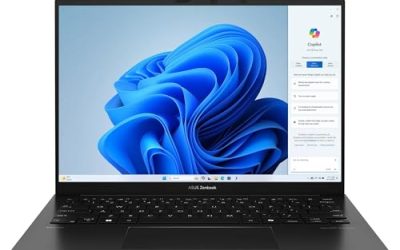
ASUS Zenbook 14 (Q425MA-U71TB) — Best Thin-and-Light OLED Pick
The ASUS Zenbook 14 listing centres on two things this class does not always deliver together: a high-end processor tier and an OLED touchscreen. For readers who stare at a screen all day and care about contrast, colour and text clarity, this is the most display-focused configuration in the guide.
Check the ASUS Zenbook 14 on Amazon
Key specifications from the listing
- Processor: Intel Core Ultra 7 155H
- Memory: 16GB
- Storage: 1TB SSD
- Display: 14-inch OLED touchscreen at 1920 x 1200, listed at 500 nits maximum brightness
- Battery: 75 watt-hour cell, with a listed battery life figure in the low double-digit hours
- Extras: Backlit keyboard, integrated webcam, Windows 11
Why it fits this budget class
OLED technology earns its place here for reasons beyond movie night. Per-pixel lighting produces true blacks and strong contrast that make text edges look crisp, and it flatters photo editing and design work where shadow detail matters. The listing’s brightness figure is comfortably in the range needed for bright indoor use.
The rest of the specification supports that positioning without drifting into a higher class. The Core Ultra 7 sits at the performance end of Intel’s mobile line for thin machines, the memory amount matches the multitasking expectations in the buying guide below, and the storage capacity matches the Acer rather than forcing a compromise. The large battery capacity listed for a machine of this size is also notable, since thin laptops often trade battery size away for thinness. Treat any listing battery figure as the manufacturer’s stated figure, not a guarantee for your own workload.
Who should choose it, and who should not
Choose the Zenbook 14 if screen quality is your top priority, you do colour-sensitive viewing or light creative work, and you want a portable machine that still carries a large drive. Look elsewhere if you need dedicated graphics for gaming, or if you prefer a larger screen for full-time desk work without an external monitor, in which case the two bigger picks below deserve a closer look.
Lenovo Yoga 7i 2-in-1 16 — Best Convertible for Flexible Work
The Lenovo Yoga 7i in this listing is a 16-inch convertible with a touchscreen that folds through a full circle of hinge travel. That single design decision reshapes how the laptop gets used: clamshell for typing, tent mode for watching and presenting across a desk, and tablet mode for reading, sketching ideas and annotating documents.
Check the Lenovo Yoga 7i 2-in-1 on Amazon
Key specifications from the listing
- Processor: Intel Core i5-1335U
- Memory: 8GB
- Storage: 512GB SSD
- Display: 16-inch WUXGA touchscreen
- Extras: Backlit keyboard, fingerprint reader, Windows 11 Home
- Finish: Storm Grey, model 82YN0001US
Why it fits this budget class
A big touchscreen changes the value calculation in this class. For teachers presenting, staff showing material to a client across a table, or students who annotate readings by hand, the convertible format does work a conventional laptop cannot do without extra hardware. The fingerprint reader is a small but real convenience for a machine opened in shared spaces, and the backlit keyboard keeps it usable in dim rooms and evening study sessions.
Honesty about the trade-offs matters with this pick. The memory amount in this specific configuration is half that of the Acer, ASUS and HP picks, and the processor is an efficiency-oriented model rather than a performance-series chip. For browser work, documents, streaming and presentation use, that specification is workable, and the buying guide below explains how to judge whether it suits your habits. For heavy multitasking, large spreadsheets or creative workloads, one of the higher-memory picks will age more gracefully. This is a pick bought for its format and screen size first, with everyday performance that matches everyday jobs.
Who should choose it, and who should not
Choose the Yoga 7i if the folding touchscreen itself is the feature you will actually use weekly, and if your workload is the everyday mix of browsing, documents, calls and media. Look elsewhere if you routinely keep dozens of heavy applications open at once, or if you want the strongest processor in this class, because both of the 14-inch picks above carry more memory and newer performance silicon.
HP Victus 15 — Best for Light Gaming in This Class
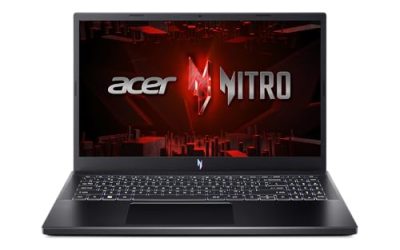
The HP Victus 15 is the gaming entry in this guide, and its listing specification shows exactly why it belongs in a separate conversation from the ultraportables. A dedicated NVIDIA graphics chip and a high-refresh display change what the machine can do in the evening, even though it still handles ordinary work and study tasks during the day.
Check the HP Victus 15 on Amazon
Key specifications from the listing
- Processor: AMD Ryzen 5 7535HS
- Memory: 16GB DDR5
- Storage: 512GB PCIe M.2 SSD
- Display: 15.6-inch Full HD at 144Hz
- Graphics: NVIDIA GeForce RTX 2050
- Extras: Backlit keyboard, webcam, Wi-Fi 6, HDMI, Windows 11 Home, silver finish
Why it fits this budget class
Dedicated graphics are the dividing line for gaming in this class. Integrated graphics in the other three picks handle casual and older titles well, but a discrete GeForce chip brings its own graphics memory and far more rendering headroom for modern games at sensible settings. The fast-refresh panel completes the pairing: a high refresh rate only matters if the graphics hardware can feed it, and in lighter competitive and older titles this combination is aimed squarely at that smoother experience.
The supporting specification avoids the usual gaming-laptop trap of starving everything else. The memory amount matches the strongest picks in this guide, and the drive is large enough for an operating system, everyday applications and a modest rotating game library, though very large modern installs will require some library management. The Ryzen HS-series processor is a performance-oriented chip rather than an efficiency model, suiting games and heavier workloads such as code compilation and media exports alike.
Set expectations in line with the class, though. This is a light-gaming pick for popular competitive titles, indie games and older large releases at moderate settings, not a substitute for a high-end gaming rig. It is also most at home on a desk: the larger body and gaming cooling make it the one to choose when the laptop mostly lives in one place.
Who should choose it, and who should not
Choose the Victus 15 if gaming is a genuine weekly activity and you want one machine that covers work and play without crossing into the next budget tier. Look elsewhere if you carry a laptop all day every day, prioritise silent fanless-style operation for libraries, or need a touchscreen, since none of those are what this design is built around.
Buying Guide: How to Choose in This Budget Class
Start with memory, then storage
Memory is the specification that most shapes how a laptop in this class feels after a year of use, because it decides how much can stay open at once. The picks above split into two camps, and the split is worth understanding rather than glossing over. The larger memory camp suits readers who multitask heavily, keep many tabs and applications running together, or do light creative work. The smaller camp remains fine for focused, one-task-at-a-time use such as writing, browsing and streaming, but it leaves less headroom as software grows heavier. Storage follows a similar logic: the larger drives above suit local photo libraries, offline coursework and game installs, while the mid-size drives suit cloud-centred workflows where most files live online anyway.
Match the processor family to the job
Processor names in this class encode intent. Performance-series chips, like the H and HS models in the Acer, ASUS and HP picks, sustain higher speeds for demanding work and play, at the cost of more heat and fan activity. Efficiency-series chips, like the U model in the Lenovo, prioritise cool, quiet running and longer unplugged stretches. Neither is automatically better: buy the family that matches your heaviest regular task, not your heaviest imaginable one.
Treat the display as a daily-use decision
You will look at the screen more than any other component, so rank it accordingly. OLED, as in the ASUS pick, leads on contrast and colour. A touchscreen, offered by three of the four picks, adds navigation and annotation flexibility some readers use constantly and others never touch. A high refresh rate, as in the HP pick, mainly rewards gaming rather than static work. Size is the final axis: the 14-inch picks favour carrying, the larger picks favour split-screen work and media at a desk.
Check the exact configuration before ordering
This is the most important practical step in the guide. Laptop model names cover many configurations, and listings sometimes group variants together or get updated over time. Before ordering, confirm on the listing itself that the processor, memory, storage and display match the configuration described above, and that the seller and condition are what you expect. If a live listing detail differs from this guide, trust the live listing and reconsider the pick on that basis.
Think about ports, weight and the second year
Finally, judge the machine as an object you will live with. Check that the ports cover your monitor, drives and accessories without a pocketful of adapters, and weigh the stated weight against your real commute. Consider the second year as much as the first day: generous memory and storage, as carried by the two 14-inch picks, are the specifications most likely to keep a laptop in this class feeling adequate as your workload grows.
FAQ
How much memory does a laptop in this class need?
For focused everyday use such as writing, browsing and streaming, the smaller memory configuration in this guide is workable. For heavy multitasking, many simultaneous tabs and applications, or light creative work, the larger memory configurations are the safer choice and will age better. Judge by your busiest normal day rather than your lightest one.
Is integrated graphics enough, or do I need a dedicated graphics chip?
Integrated graphics in the Acer, ASUS and Lenovo picks handle everyday acceleration, video playback, casual games and older titles comfortably. If modern gaming is a regular activity, the HP pick’s dedicated GeForce graphics make a material difference that no setting change on an integrated chip can fully replicate. Occasional players are usually well served by integrated graphics; weekly players should prioritise the dedicated chip.
Are touchscreen laptops worth it in this class?
A touchscreen is worth it when it changes how you work: annotating documents, presenting in tent mode, navigating by touch or reading in tablet mode, as the Lenovo convertible is designed for. If your work is entirely keyboard-and-trackpad based, a touchscreen adds little, and a non-touch or differently prioritised pick may serve you better. Three of the four picks here include touch, so the choice is really about size and format.
Can a laptop in this class replace a desktop?
For study, office work, communication and light gaming, yes, especially the higher-memory picks paired with an external monitor at a desk. For sustained heavy rendering, very large game libraries or workstation-class workloads, a desktop or a higher laptop tier remains the better tool. Most readers in this class are buying a primary everyday machine, and the picks above are specified with that role in mind.
Why do listings for the same laptop name show different specifications?
Manufacturers sell each laptop name in several configurations that share a chassis but differ in processor, memory, storage and panel. Marketplaces also host multiple sellers and updated variants over time. Always read the specification table of the exact listing you are about to order from, and match it against the configuration described in this guide before buying.
Conclusion
Below the four-figure mark, the smartest purchase is not the longest specification list but the clearest match to your routine. The Acer Swift Go 14 is the balanced default for study and office work, with the largest drive pairing in a compact touch design. The ASUS Zenbook 14 is the pick when the screen itself is the priority. The Lenovo Yoga 7i earns its place through convertible flexibility and a big touchscreen, with everyday performance for everyday jobs. And the HP Victus 15 is the one to choose when light gaming belongs in the same machine as work. Confirm the exact configuration on the live listing, and any of the four will serve as a capable primary laptop.
More from Amazon
Programs that pair well with the guide above. Offers and eligibility are set by Amazon and may change.
Free shipping on eligible items, Prime Video and more. Eligible new members can start with a free trial.
Start a Prime free trialAd-free music streaming. Eligible new subscribers can start with a free trial.
Try Music Unlimited freeA Prime membership for ages 18-24 with a trial period. Eligibility is set by Amazon.
See Prime for Young AdultsAudiobooks and podcasts to listen to on the go. Eligible new members can start with a free trial.
Try Audible freeAs an Amazon Associate we earn from qualifying purchases.
Write Your Review
No reviews yet. Be the first to share your experience!