
Key takeaways
- Compare four laptops for MBA students by weight, battery life, screen and memory, with picks for case work, financial models and long class days on campus.
An MBA laptop has to survive a very specific workload: a morning lecture, a group case session with six documents open, a financial model that recalculates thousands of rows, and a recruiting presentation after lunch, often in rooms where every outlet is already taken. The real decision is not raw speed. It is whether the machine is light enough to carry all day, calm enough to run heavy spreadsheets without slowing down, and clear enough on camera for remote classes and interviews.


This guide is for full-time, part-time and executive MBA students who need one machine for the whole program. Every laptop below was chosen from the name and specifications printed on its Amazon listing, judged first on listed weight and battery wording, then on screen size for side-by-side documents, memory for large workbooks, and the webcam and ports that cohort work demands.
Quick Picks
As an Amazon Associate we earn from qualifying purchases
| Product | Best for | Key spec from title |
|---|---|---|
| Apple MacBook Air 13 with M4 chip | The lightest carry for full campus days | M4 chip, 16GB unified memory, 256GB SSD |
| Lenovo ThinkPad T14 Gen 5 | Windows-first programs and heavy Excel work | Intel Core Ultra 5 125U, 32GB DDR5 RAM, 1TB SSD |
| ASUS Zenbook 14 OLED | A sharp touch screen for notes and decks | Intel Core Ultra 9 285H, 32GB LPDDR5X RAM, 1TB SSD |
| Dell XPS 14 Premium | The biggest, brightest screen in a 14-inch body | Intel Core Ultra 7 255H, 32GB memory, 1TB SSD |
How to Choose
Weight and Battery for a Full Day of Classes
Your laptop moves between lecture halls, breakout rooms and coffee meetings, so listed weight matters more than it does for a desk machine. Anything at or under about three pounds disappears into a bag already holding case packets and a charger. Battery wording matters just as much: look for a maker figure that covers a full class day with margin, and treat video playback numbers as a ceiling rather than a promise. USB-C charging is a quiet advantage, since one compact adapter can then serve the laptop and a phone between sessions.
Memory and Processor for Financial Models
MBA work is spreadsheet work. A valuation model with linked sheets, a data set pasted from a case appendix, and a browser full of research tabs can strain a machine with too little memory. Sixteen gigabytes is a sensible floor for a two-year program, and thirty-two gigabytes gives large workbooks and virtual machines real headroom. Any current mid-range processor handles documents and calls easily, so spend your attention on memory and storage instead. A 1TB drive also means case files, recorded lectures and group folders never force a cleanup mid-semester.
Screen Size and Keyboard for Long Documents
You will read dense case text and build slides for hours, so the panel and keyboard earn their keep daily. A 14-inch screen in a 16:10 shape shows more spreadsheet rows and more of a document page than an older 16:9 panel, which means less scrolling during group edits. Brightness near 500 nits keeps text readable in sunlit rooms. For the keyboard, look for backlighting for evening sessions and a layout with full-size arrow keys, since financial modeling lives on the keyboard more than the mouse.
Webcam, Ports and Sign-In for Cohort Work
Hybrid classes, remote interviews and recorded group presentations make the webcam a graded part of your program, not an accessory. A 5MP or 12MP camera holds up far better than an older 720p unit when a recruiting call matters. Ports decide how fast you can plug into a classroom display: HDMI or Thunderbolt with display support saves carrying adapters. A fingerprint reader or face sign-in speeds up the dozen unlocks a day, and a privacy shutter is worth having when the camera sits in shared study rooms.
The 4 Best Options
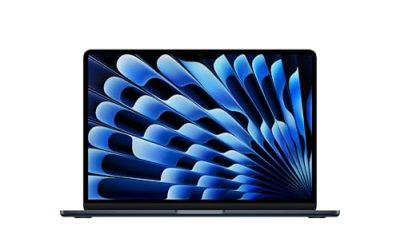
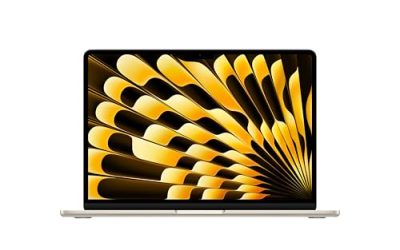
Apple MacBook Air 13 with M4 chip
The MacBook Air suits the MBA student whose day is a chain of lectures, team rooms and library desks, and who wants the bag to stay light through all of it. At 2.7 pounds with a fanless body, it is silent in a quiet seminar room, and the listed battery figures leave room for a full schedule. The 13.6-inch screen is crisp for case reading, and the 12MP Center Stage camera handles remote classes and interviews well. Choose it if your program is comfortable with macOS for its coursework and cloud tools.
Specs
- Apple M4 chip with 10-core CPU
- 13.6-inch Liquid Retina display, 2560 x 1664, 500 nits
- 16GB unified memory
- 256GB SSD storage
- 12MP Center Stage camera
- Two Thunderbolt 4 ports and a 3.5 mm headphone jack
- Touch ID sign-in
- 53.8 Wh battery, listed for up to 18 hours of video playback
Best for: Students who carry the laptop all day and want the longest listed battery life in this group.
Watch out for: Memory and storage are fixed at purchase, and the 256GB drive fills quickly with recorded lectures, so confirm the configuration on the listing before ordering.
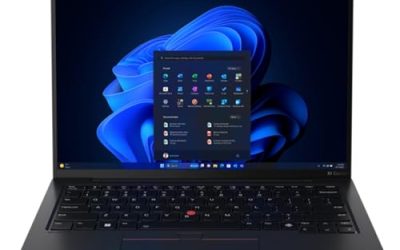
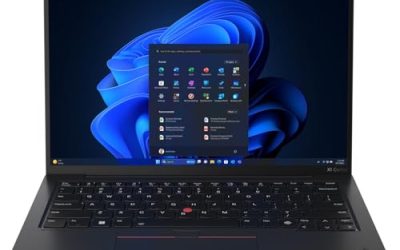
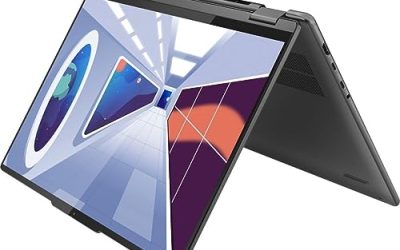
Lenovo ThinkPad T14 Gen 5
The ThinkPad T14 Gen 5 fits the student in a Windows-first program, where coursework, internship tools and finance add-ins assume a Windows machine. Its 32GB of memory is the most generous working room here for linked workbooks and data sets, and the port mix is built for classrooms: HDMI for the projector, Ethernet for a wired desk, and two Thunderbolt 4 ports for docks. The 5MP webcam with a privacy shutter suits hybrid sessions, and the spill-resistant backlit keyboard is made for long modeling nights.
Specs
- Intel Core Ultra 5 125U processor, 12 cores, up to 4.3 GHz
- 14-inch FHD+ IPS display, 1920 x 1200
- 32GB DDR5 RAM
- 1TB SSD storage
- 5MP webcam with privacy shutter
- Fingerprint reader and backlit, spill-resistant keyboard
- Two Thunderbolt 4 ports, HDMI 2.1 and Ethernet
- Windows 11 Pro, Wi-Fi 6E, listed weight from 3.10 lb
Best for: Students whose program and internship tools are Windows-based and who build large Excel models.
Watch out for: This is a seller-configured listing with upgraded memory and storage, so read the exact configuration and the stated three-year warranty wording on the page before ordering.
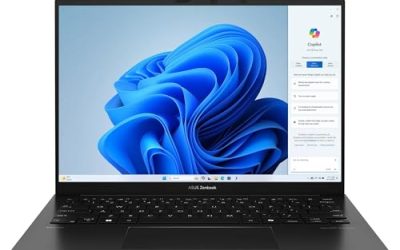
ASUS Zenbook 14 OLED
The Zenbook 14 OLED is the pick for students who annotate cases and present often, because the touch OLED panel makes slides, charts and marked-up documents look sharp in any room. The Core Ultra 9 processor and 32GB of memory give it the strongest headline performance in this group, so big decks and busy multitasking stay smooth. At 0.59 inches thin it slides into a slim bag easily, and Windows 11 Pro keeps it aligned with business coursework and employer tools during summer internships.
Specs
- Intel Core Ultra 9 285H processor
- 14-inch WUXGA OLED touch display, 1920 x 1200
- 32GB LPDDR5X RAM
- 1TB Gen 4 SSD storage
- Intel Arc integrated graphics
- Wi-Fi 7 wireless
- Thunderbolt 4 port
- Windows 11 Pro, 0.59 inches thin, Jasper Gray finish
Best for: Students who present and annotate often and want a premium touch screen in a thin Windows body.
Watch out for: The listing bundles a seller accessory pack, so check exactly what is in the box, and note the glossy OLED panel can reflect bright classroom lighting.
Dell XPS 14 Premium
The XPS 14 Premium serves the student who treats the laptop as a second monitor: its 14.5-inch 3.2K OLED touch panel is the largest and sharpest here, which pays off when a case PDF and a model sit side by side. Thirty-two gigabytes of memory and a 1TB drive match the heaviest coursework loads, and the 70Wh battery is the biggest in this group. The aluminium Platinum body also looks at home in recruiting settings, where the machine sits on the table in front of interviewers and clients.
Specs
- Intel Core Ultra 7 255H processor
- 14.5-inch 3.2K OLED touch display, 3200 x 2000, 48–120Hz
- 32GB LPDDR5X memory
- 1TB PCIe SSD storage
- Intel Arc integrated graphics
- Backlit keyboard with fingerprint reader
- Thunderbolt 4 ports and Wi-Fi 7
- 6-cell 70Wh battery, Windows 11 Pro
Best for: Students who want the largest, sharpest screen for side-by-side documents without moving to a 16-inch machine.
Watch out for: Connectivity runs through USB-C only, with no HDMI or USB-A port listed, so plan on a small hub for classroom projectors and older drives.
Which One Fits Your Situation
You Are in Class or Meetings All Day
Pick the MacBook Air 13. At 2.7 pounds it is the easiest carry here, the fanless design stays silent in seminar rooms, and the listed battery figures are the strongest in the group. The Center Stage camera also follows you naturally on remote calls when you shift in your chair during a long group session.
Your Program Runs on Windows and Excel
Pick the ThinkPad T14 Gen 5. Windows 11 Pro, 32GB of memory and the full port set match how business programs actually teach: linked workbooks, classroom projectors and wired desks. The keyboard and TrackPoint layout are built for hours of cell work, and the Ethernet port helps in older buildings with weak wireless coverage.
You Present, Annotate and Interview Often
Pick the ASUS Zenbook 14 OLED or the Dell XPS 14 Premium. Both give you a touch OLED screen for marking up decks and a sharp camera presence for recruiting calls. The Zenbook is thinner for daily carrying; the Dell adds a larger 14.5-inch panel and a bigger battery for students who work away from outlets.
You Are Buying Once for the Whole Program
Any of the three 32GB Windows machines will age gracefully through two years of coursework, since memory is what heavy multitasking feels first. If your school leans on cloud tools and battery life matters most, the MacBook Air remains the simple answer. Decide by your program’s software list first, then by weight.
Common Mistakes
- Choosing a heavy gaming laptop for campus life, then leaving it in the dorm because the bag is already full.
- Buying 8GB of memory and discovering in the second semester that large case data sets and many open tabs slow the machine down.
- Ignoring your program’s software list, then finding a required finance or statistics tool only runs on the other platform.
- Judging the screen by size alone and skipping brightness, so text washes out in sunlit lecture rooms.
- Forgetting the webcam, then sitting through recruiting interviews on a grainy 720p camera while classmates look sharp.
Frequently Asked Questions
How much memory does an MBA student need?
Sixteen gigabytes covers lectures, documents and everyday multitasking for most students. Choose thirty-two gigabytes if you build large financial models, run virtual machines for analytics classes, or keep many research tabs and group documents open at once. Memory cannot be added later on most thin laptops, so decide for the heaviest semester, not the lightest.
Is a MacBook suitable for an MBA program?
Yes, for many programs, since coursework often runs through browsers, cloud documents and mainstream office tools. The catch is specific coursework: some finance and statistics teaching still assumes Windows versions of spreadsheet add-ins and specialist tools. Read your program’s published laptop guidance before choosing, and pick Windows if the school names Windows-only software.
Which screen size works best for business school?
A 13-inch or 14-inch screen is the practical sweet spot for carrying between classes while still showing a document and a spreadsheet side by side. A 16:10 panel helps because it fits more rows and more page height. Move to a 15-inch or 16-inch machine only if the laptop rarely leaves your desk or apartment.
Should I buy before the program begins or wait?
Buy before the term begins if you can, so accounts, security settings and school software are ready before orientation week crowds every help desk. Waiting for a sale is fine, but confirm the exact configuration each time, because listings change memory and storage between offers. Keep the order details and warranty paperwork with your program documents.
More from Amazon
Programs that pair well with the guide above. Offers and eligibility are set by Amazon and may change.
Free shipping on eligible items, Prime Video and more. Eligible new members can start with a free trial.
Start a Prime free trialAd-free music streaming. Eligible new subscribers can start with a free trial.
Try Music Unlimited freeA Prime membership for ages 18-24 with a trial period. Eligibility is set by Amazon.
See Prime for Young AdultsAudiobooks and podcasts to listen to on the go. Eligible new members can start with a free trial.
Try Audible freeAs an Amazon Associate we earn from qualifying purchases.
Write Your Review
No reviews yet. Be the first to share your experience!