

Key takeaways
- Shopping for the best low radiation smartphones? Learn what SAR ratings mean, how they are measured, and which current models publish the lowest figures.
As an Amazon Associate we earn from qualifying purchases.
A phone’s radiation rating looks like a simple number, but the decision behind it is not. Every smartphone sold in the United States must pass a Specific Absorption Rate, or SAR, test before it reaches the shops, and every model publishes a different figure. The real choice is how much weight to give that figure when the phone also has to handle your calls, your photos, your apps and your budget, and whether a model with a lower published SAR is worth choosing over one with a better camera or longer software support.
This guide is written for long-call users, parents picking a first phone, and buyers comparing current mid-range and flagship models on published SAR figures alone. The models discussed here were identified from manufacturer-published SAR data and regulatory filings, and each section explains what the numbers cover before naming any phone.
How to Choose
Compare head SAR and body SAR separately
Manufacturers publish at least two SAR figures for each phone, one measured at the head and one measured worn on the body, and the two numbers often point in different directions. A model can post a low head figure while its body-worn figure sits closer to the limit, or the reverse, so reading only the smaller number gives an incomplete picture. The Galaxy S25 Ultra illustrates the split: its published head figure is 1.26 W/kg while its body-worn figure is 0.64 W/kg. Check both figures for every model on your shortlist, note the test distance used for the body measurement, and compare head with head and body with body rather than mixing the two.
Check which model variant the figure belongs to
SAR figures belong to an exact model number, not to a phone name. A Galaxy A16 5G sold in the United States, a European version and a carrier-locked version can carry different radios and different published figures, even though the name on the box is identical. The same applies to storage and memory variants that share a model family but ship under separate regulatory filings. Before comparing two phones, find the full model number of the version you would actually buy, such as SM-A166 for the US Galaxy A16 5G, and confirm the SAR figure against that number on the manufacturer’s SAR lookup page or in the regulatory filing for that variant.
Weigh SAR against signal strength and everyday use
A published SAR figure is measured at maximum transmit power in a laboratory, which is not how a phone behaves on a normal day. In areas with strong signal, a phone transmits at a fraction of its maximum power, while in weak-signal areas it works harder to hold the connection, so the place you use the phone matters as much as the figure on the specification sheet. Antenna design, the bands your carrier uses and whether you spend most calls on Wi-Fi calling also change how often the phone transmits at high power. Treat SAR as one specification among several, and give equal weight to reception quality, battery life and how the phone performs on your own carrier.
Match the phone to your carrier, budget and software support
The lowest published SAR figure is of little use if the phone does not work properly on your carrier or stops receiving updates a year after you buy it. Check that the exact model supports your carrier’s 5G and LTE bands, that it is sold unlocked or locked to the carrier you intend to use, and how many years of operating system and security updates the manufacturer promises. Budget models such as the Galaxy A16 5G pair a low published head SAR with several years of updates, while some older models with low figures have already reached the end of their support window. A phone that stays supported and connected is the one you will actually keep using.
How SAR Is Measured
Specific Absorption Rate, universally shortened to SAR, measures how much radiofrequency energy is absorbed by tissue when a phone transmits, expressed in watts per kilogram. Testing takes place in a laboratory, where the phone is placed against a model of a human head or body filled with liquid that mimics tissue, then made to transmit at its maximum power while probes record the energy absorbed. The highest value recorded during that test becomes the published figure, which means the number describes a worst-case ceiling rather than a typical call.
In the United States the Federal Communications Commission sets the limit at 1.6 W/kg averaged over one gram of tissue, and every phone sold in the country must test below that limit before it can be sold. Countries following the European approach use a limit of 2.0 W/kg averaged over ten grams of tissue, which is why the same phone can show two different published figures depending on the market. Head and body measurements also use different separations: Apple tests body-worn SAR at 5 mm, while Google and Samsung test at 10 mm, so figures from different brands are not always measured under identical conditions.
Manufacturers also publish separate figures for simultaneous transmission, when cellular and Wi-Fi radios transmit at the same time. Those combined figures run higher than cellular-only results: the Galaxy S25 records 1.13 W/kg for cellular alone and 1.54 W/kg with cellular and Wi-Fi together, while the S25 Ultra rises from 1.26 W/kg to 1.59 W/kg. Every phone carries an FCC ID printed on the device or its packaging, and that ID can be used to look up the original test filing. Samsung runs a SAR lookup tool on its own site, Google publishes SAR figures in its safety and regulatory guides, and Apple lists them on its RF exposure pages. The FCC itself cautions that a single SAR value does not provide enough information to reliably compare one phone with another, because small differences between models fall within the variation of the test itself.
Practical Ways to Reduce Exposure
The distance between a phone and your body has a larger effect on exposure than the difference between two published SAR figures, because radiofrequency energy falls off quickly with distance. Holding the phone a few centimetres away from the head during a call, rather than pressed against the ear, reduces the energy absorbed, and the same principle applies to carrying the phone in a bag instead of a pocket when you are not using it.
Speakerphone and a wired headset both let you keep the phone away from your head while you talk, and they cost nothing to use. Texting, voice messages and short calls replace long conversations held against the ear, and moving a long call to a landline or a computer headset removes the handset from the equation entirely. When the signal is weak, the phone transmits at higher power to stay connected, so making calls where the signal is strong, or waiting until you are back in coverage, keeps transmission levels lower than they would be in a dead zone.
Night-time habits matter too. Switching the phone to airplane mode overnight stops it transmitting while you sleep, and charging it across the room rather than beside the bed adds distance during the hours you are not using it. None of these steps requires buying a new phone or an accessory: they are changes in how the handset is held, carried and used, and they apply equally to every model regardless of its published SAR figure.
Radios you are not using can be switched off. Wi-Fi, Bluetooth and mobile data each transmit in their own way, and turning off the ones you do not need reduces the number of active transmitters in the handset. Downloading music, maps and videos over Wi-Fi before you travel also means the phone does not have to stream them over a cellular connection later. Checking the manufacturer’s SAR page before you buy, rather than relying on a list copied from another site, is the final habit worth keeping: model numbers change between regions, and only the figure published for your exact variant describes the phone you will own.
Which One Fits Your Situation
You want the lowest published head SAR in a current budget phone
The Galaxy A16 5G fits this situation. Its manufacturer-declared head SAR is 0.38 W/kg, as recorded in Germany’s Federal Office for Radiation Protection database, the lowest figure among the 15 current models in that comparison, and its body-worn figure is 0.94 W/kg. It is a current budget 5G model with a 6.7-inch AMOLED display, a 5,000mAh battery and several years of promised updates, so the low published figure does not come with an outdated phone.
You want a low-SAR flagship with strong cameras
The Pixel 10 Pro fits this situation. Google’s own safety and regulatory guide lists its head SAR at 0.99 W/kg, the lowest head figure among the current US-market flagships in that guide, with a body-worn figure of 0.99 W/kg at the same test distance. It pairs that figure with flagship cameras, a fast processor and long software support, so buyers who want a premium phone do not have to accept the highest published SAR in the flagship range.
You want a large-screen Samsung with a low body-worn figure
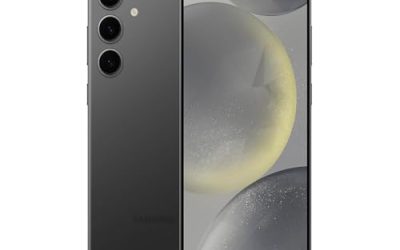
The Galaxy S25 Ultra fits this situation. Its published head SAR is 1.26 W/kg, but its body-worn figure is 0.64 W/kg, the lowest body-worn figure among the current flagships in its FCC filing, which matters for buyers who carry the phone in a pocket or use it against the body. It is a large-screen flagship with a built-in stylus and a versatile camera system, so the body-worn figure comes with a full-featured phone rather than a compromise.
You want a mid-range Samsung with a balance of features and a lower head figure
The Galaxy A26 5G fits this situation. Its head SAR is 0.41 W/kg, close to the A16 5G and well below most current flagships, while its body-worn figure is 0.96 W/kg. It sits one step above the entry-level A series, with a larger feature set than the A16 5G and a lower head figure than the A56 5G at 0.61 W/kg, making it a middle ground for buyers who want a mid-range phone with a lower head SAR.
Common Mistakes
- Treating one SAR number as a ranking of phones. SAR is a worst-case laboratory ceiling, and the FCC notes that a single value does not reliably compare models, so a gap of a few tenths of a W/kg is not a meaningful difference on its own.
- Mixing head and body figures, or US and European figures. A head SAR measured over one gram of tissue cannot be compared with a body SAR measured over ten grams, and the same phone can publish different figures in different markets.
- Trusting a SAR figure copied from an unofficial list. Model numbers vary by region and carrier, so always confirm the figure for your exact variant on the manufacturer’s SAR page or in its regulatory filing.
- Choosing an older model for its low SAR without checking support. Some phones with very low published figures have reached the end of operating system and security updates, leaving you with an unsupported handset.
- Ignoring how you actually use the phone. Long calls held against the ear, weak signal and carrying the phone against the body all affect exposure more than the difference between two published figures, so habits deserve as much attention as hardware.
Frequently Asked Questions
What is SAR?
Specific Absorption Rate, or SAR, is the measure of radiofrequency energy absorbed by tissue when a phone transmits, expressed in watts per kilogram. Every phone sold in the United States is tested in a laboratory at maximum transmit power, and the highest value recorded becomes its published SAR figure.
What counts as a low SAR value for a smartphone?
In the United States every phone must test below the FCC limit of 1.6 W/kg averaged over one gram of tissue. Among current models, figures below 0.5 W/kg at the head, such as the Galaxy A16 5G at 0.38 W/kg, sit at the low end of published results, while most current flagships publish head figures between 0.9 and 1.5 W/kg.
Does a lower SAR phone expose you to less radiation in daily use?
Not necessarily in proportion to the published figures. SAR is measured at maximum transmit power in a laboratory, while a phone in everyday use transmits at much lower power when the signal is strong. The FCC states that a single SAR value does not reliably compare models, and habits such as using speakerphone or a headset change exposure more than the gap between two published figures.
How can I check the SAR of a phone I already own?
Dial *#07# on most Android phones to display the regulatory information, including the SAR figure for your exact model. You can also look up the phone’s FCC ID, printed on the device or its packaging, in the FCC equipment authorisation database, or search the manufacturer’s SAR lookup page by model number for the published head and body-worn figures.
More from Amazon
Programs that pair well with the guide above. Offers and eligibility are set by Amazon and may change.
Free shipping on eligible items, Prime Video and more. Eligible new members can start with a free trial.
Start a Prime free trialAd-free music streaming. Eligible new subscribers can start with a free trial.
Try Music Unlimited freeA Prime membership for ages 18-24 with a trial period. Eligibility is set by Amazon.
See Prime for Young AdultsAudiobooks and podcasts to listen to on the go. Eligible new members can start with a free trial.
Try Audible freeAs an Amazon Associate we earn from qualifying purchases.



Write Your Review
No reviews yet. Be the first to share your experience!