
Our Short List of 3

- Best for: Apple users who carry a laptop daily and want a silent, light machine for work and streaming.
- Apple M4 chip
- 13.6-inch Liquid Retina Display
- 16GB Unified Memory
- 256GB SSD Storage

- Best for: Shared family use where a large touchscreen and roomy storage matter more than portability.
- 15.6-inch Full HD touch IPS display, micro-edge, anti-glare
- Intel Core i5-1334U processor
- 16GB DDR4 Memory
- 512GB PCIe NVMe SSD

- Best for: Heavy multitaskers who want the largest storage and the strongest processor in this roundup.
- 15.6-inch Touchscreen IPS FHD Display
- Intel Core i7-1355U processor
- 16GB DDR4 RAM
- 1TB PCIe NVMe SSD
All 3 Picks at a Glance
| Product | Specs | Action |
|---|---|---|
| Apple MacBook Air 13-inch Laptop with M4 chip, Silver |
| Check price on Amazon |
| HP 15.6-inch Full HD Touch-Screen Laptop, Natural Silver |
| Check price on Amazon |
| ASUS Vivobook 15 F1504VA-IS79T, Silver |
| Check price on Amazon |
Key takeaways
- Compare five everyday laptops for work, study, and streaming, with screen, memory, and storage specs taken from their Amazon listings.
An everyday laptop has to do a little of everything without doing any one thing badly. Most buyers are not choosing between raw power and portability in the abstract; they are deciding how much screen they want on the sofa, whether the machine will still feel quick with twenty browser tabs open, and whether carrying it to class or a cafe will become a chore. Spend too little and the laptop stutters through ordinary work. Spend on gaming hardware and you carry extra weight, heat, and cost for performance you may never use.
This guide is for people who use a laptop for office documents, schoolwork, video calls, and streaming, with only light photo editing or casual games on the side. The five models below were picked from the names and specifications shown on their Amazon product pages, covering a compact Apple option and four Windows machines in the familiar 15.6-inch size, so you can match a real configuration to the way you actually spend your day.
Quick Picks
As an Amazon Associate we earn from qualifying purchases.
| Product | Best for | Key spec from title |
|---|---|---|
| Apple MacBook Air 13-inch Laptop with M4 chip, Silver | Carrying everywhere and working in Apple apps | 13.6-inch Liquid Retina Display, 16GB Unified Memory, 256GB SSD Storage |
| Lenovo IdeaPad Slim 3, Arctic Grey | Simple home basics on a light Windows laptop | 15.6-inch FHD, AMD Ryzen 3 7320U, 8GB Memory, 256GB Storage |
| HP 15.6-inch Full HD Touch-Screen Laptop, Natural Silver | Family use with a large touchscreen | Intel Core i5-1334U, 16GB Memory, 512GB SSD |
| ASUS Vivobook 15 F1504VA-IS79T, Silver | Heavy multitasking with large files | Intel Core i7-1355U, 16GB DDR4, 1TB SSD, 15.6-inch Touchscreen IPS FHD Display |
| Acer Aspire 3 A315-24PT-R0UX | Strong everyday value with a touch display | AMD Ryzen 5 7520U, 16GB LPDDR5, 512GB NVMe SSD, 15.6-inch Full HD IPS Touch Display |
How to Choose
Screen size and weight
A 13-inch laptop slips into a small bag and feels effortless on a train or in a lecture hall, while a 15.6-inch screen shows more of a spreadsheet, a document, and a video call at once. The trade is real: the larger screen usually adds several hundred grams and a wider footprint that can crowd a small desk or an economy tray table. If your laptop rarely leaves one room, take the bigger display and enjoy the extra space. If you carry it daily, hold the size against the bag you already own and favour the lighter machine, since a laptop you dread carrying tends to stay at home.
Processor, memory, and storage
For everyday work, the processor matters less than the memory around it. A current Ryzen 3 or Core i5 handles documents, browsing, and streaming comfortably, while 8GB of memory is the practical floor for smooth multitasking. With 16GB, you can keep a video call, a dozen tabs, and a music app open without the machine slowing down to swap data. Storage is the quieter trap: 256GB fills quickly once photos, downloads, and app updates pile up, so pick 512GB or more when the laptop will hold years of files rather than living mostly in the cloud.
Battery life and everyday comfort
Battery claims are measured under gentle conditions, so treat them as a ranking rather than a promise and think about your own routine instead. Someone who works near an outlet all day can accept a shorter battery, while a student moving between classrooms needs a machine that survives until the evening. A backlit keyboard matters more than it sounds when you type after dark, and a webcam with a physical privacy shutter is worth having if you join calls from home. Check the listing for the battery size and the charger type before buying, because a slow charger can undo a long battery.
Keyboard, ports, and connectivity
The keyboard is the part you touch for hours, so layout deserves a look before the specification sheet. A full keyboard with a number pad helps with spreadsheets and data entry, while a cramped layout will annoy you every day. Count the ports against the things you actually plug in: a monitor, a mouse receiver, a phone cable, and headphones all need somewhere to go, and a laptop with a single USB-C port can force you into a hub. Wi-Fi 6 keeps video calls steady on a busy home network, and Bluetooth lets you add headphones or a mouse without using a port.
The 5 Best Options
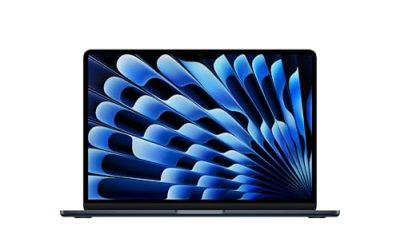
Apple MacBook Air 13-inch Laptop with M4 chip, Silver
- Best for: Apple users who carry a laptop daily and want a silent, light machine for work and streaming.
- Apple M4 chip
- 13.6-inch Liquid Retina Display
- 16GB Unified Memory
- 256GB SSD Storage
Apple users who carry a laptop daily and want a silent, light machine for work and streaming.
Storage is limited to 256GB in this configuration, and there is no touchscreen or memory upgrade after purchase.
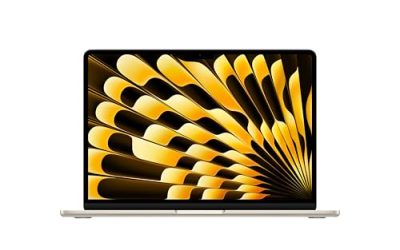
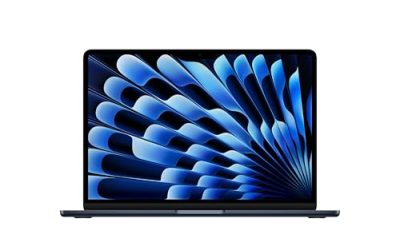
The MacBook Air is the quietest pick here in every sense, with no fan noise to compete with a video call and a slim aluminium body that disappears into a bag. Its M4 chip moves through everyday work, photo sorting, and streaming without hesitation, and the 13.6-inch Liquid Retina display stays sharp and bright in a well-lit room. macOS suits buyers already using an iPhone or iPad, since messages, photos, and files move between devices without extra setup. Touch ID unlocks the machine and approves purchases with a fingertip.
Watch out for: Storage is limited to 256GB in this configuration, and there is no touchscreen or memory upgrade after purchase.
Lenovo IdeaPad Slim 3, Arctic Grey
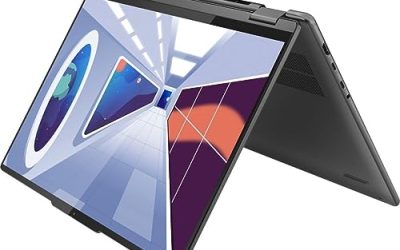
The IdeaPad Slim 3 is the straightforward choice for buyers who want a normal Windows laptop without surprises. Its 15.6-inch Full HD screen is large enough for documents and video side by side, and the Ryzen 3 processor with 8GB of memory covers browsing, office work, homework, and streaming without fuss. Arctic Grey keeps the look plain and practical, and the machine is light enough to move between rooms without thinking about it. Windows 11 means familiar software, from browsers to office apps, works exactly as expected.
Specs
- 15.6-inch FHD display
- AMD Ryzen 3 7320U processor
- 8GB Memory
- 256GB Storage
- Windows 11
- Arctic Grey
- Lightweight everyday laptop
Best for: Home basics, homework, and browsing on a large screen without paying for extra power.
Watch out for: 8GB of memory and 256GB of storage leave little headroom if your tab count and photo library keep growing.
HP 15.6-inch Full HD Touch-Screen Laptop, Natural Silver
- Best for: Shared family use where a large touchscreen and roomy storage matter more than portability.
- 15.6-inch Full HD touch IPS display, micro-edge, anti-glare
- Intel Core i5-1334U processor
- 16GB DDR4 Memory
- 512GB PCIe NVMe SSD
Shared family use where a large touchscreen and roomy storage matter more than portability.
At 3.52 lb with a 15.6-inch body, it is a desk-first laptop rather than a light travel companion.
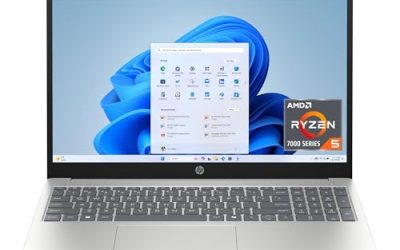
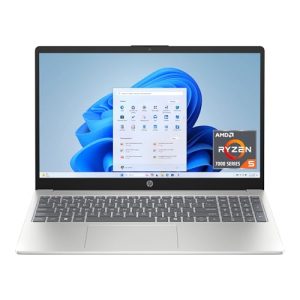
HP’s 15-inch touchscreen is the family-room pick, built around a bright Full HD IPS display you can tap, pinch, and scroll like a tablet. The Core i5 processor and 16GB of memory handle video calls, schoolwork, and a browser full of tabs at the same time, while the 512GB SSD leaves room for photos, school projects, and downloaded shows. A camera privacy shutter and a dedicated microphone mute key are genuinely useful when calls come from a shared living room. Natural Silver looks tidy on a desk or a kitchen table.
Watch out for: At 3.52 lb with a 15.6-inch body, it is a desk-first laptop rather than a light travel companion.
ASUS Vivobook 15 F1504VA-IS79T, Silver
- Best for: Heavy multitaskers who want the largest storage and the strongest processor in this roundup.
- 15.6-inch Touchscreen IPS FHD Display
- Intel Core i7-1355U processor
- 16GB DDR4 RAM
- 1TB PCIe NVMe SSD
Heavy multitaskers who want the largest storage and the strongest processor in this roundup.
The Amazon listing is sold as a bundle with a third-party USB port expander, so confirm exactly what is in the box before ordering.
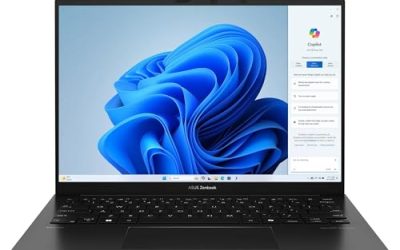
The Vivobook 15 is the workhorse of this list, pairing a Core i7 processor with 16GB of memory and a full 1TB of storage. That combination suits people who keep dozens of tabs open, edit large documents, and store years of photos locally instead of in the cloud. The 15.6-inch touchscreen IPS display is crisp for reading and comfortable for scrolling, and the backlit keyboard helps during late sessions. Wi-Fi 6E keeps large downloads and video calls moving on a modern home network.
Watch out for: The Amazon listing is sold as a bundle with a third-party USB port expander, so confirm exactly what is in the box before ordering.
Acer Aspire 3 A315-24PT-R0UX
The Aspire 3 covers the everyday middle ground well: a Ryzen 5 processor, 16GB of fast memory, and a 512GB SSD, all behind a 15.6-inch Full HD IPS touch display. It opens documents quickly, keeps video calls smooth, and still has room for a growing photo collection. Wi-Fi 6 helps on crowded home networks, and the touch screen makes scrolling through articles and recipes feel natural. For buyers who want capable hardware without stepping up to a premium machine, this configuration is hard to fault on the specification sheet.
Specs
- 15.6-inch Full HD IPS Touch Display
- AMD Ryzen 5 7520U Quad-Core Processor
- AMD Radeon Graphics
- 16GB LPDDR5 Memory
- 512GB NVMe SSD
- Wi-Fi 6
- Windows 11 Home
Best for: Buyers who want 16GB of memory, touch, and 512GB of storage in a sensibly equipped everyday laptop.
Watch out for: The display is Full HD rather than higher resolution, so fine text and photos will not look as crisp as on a premium panel.
Which One Fits Your Situation
You live in Apple apps and carry your laptop everywhere
Pick the Apple MacBook Air 13-inch with M4 chip in Silver. It is the lightest machine here, it runs silently, and it hands photos, messages, and files back and forth with an iPhone or iPad without any extra effort. The 13.6-inch screen is big enough for real work, and the 16GB of memory keeps everyday multitasking smooth. Just keep your files in the cloud or on an external drive, since 256GB fills faster than most buyers expect.
You want the simplest Windows laptop for home basics
Pick the Lenovo IdeaPad Slim 3 in Arctic Grey. It does the ordinary jobs well — browsing, documents, homework, and streaming — on a large 15.6-inch screen, with no unfamiliar software or extra features to learn. Windows 11 runs the apps most households already use, and the light body moves easily between rooms. It is the right choice when you want a dependable daily machine and nothing more complicated than that.
You share one laptop with the whole household
Pick the HP 15.6-inch Full HD Touch-Screen Laptop in Natural Silver. The touchscreen is easy for every age to use, the 16GB of memory handles several people switching between tabs and calls, and 512GB of storage fits school projects and family photos. The camera shutter and microphone mute key add privacy in a shared room. It stays mostly in one place, so its larger size is a fair trade for the big, touch-friendly screen.
You juggle many tabs and keep years of files locally
Pick the ASUS Vivobook 15 F1504VA-IS79T in Silver. Its Core i7 processor and 16GB of memory stay responsive under heavy multitasking, and the 1TB SSD holds far more than the other Windows picks here without an external drive. The touchscreen and backlit keyboard round out long working sessions. Check the bundle contents on the listing first, then enjoy the extra headroom this configuration gives you.
Common Mistakes
- Buying 8GB of memory and 256GB of storage for a laptop you plan to keep for five years, then running out of room for both.
- Choosing a 15.6-inch laptop for daily commuting without checking whether it fits the bag you already carry.
- Paying for a gaming graphics card when your heaviest tasks are documents, calls, and streaming.
- Ignoring the keyboard layout and port count, then discovering the number pad or the port you need is missing.
- Trusting a battery claim at face value instead of thinking about how many hours you actually spend away from an outlet.
Frequently Asked Questions
How much memory does an everyday laptop need?
8GB is the minimum that keeps browsing and office work smooth, while 16GB is the safer choice if you keep many tabs open, join video calls, and run several apps at once. Memory affects how quickly the machine switches between tasks, so it matters more than a faster processor for daily use. If you plan to keep the laptop for several years, choose 16GB now.
Is 256GB of storage enough for everyday use?
It can be enough when most of your files live in cloud storage and you stream rather than download media. The trouble starts with photo libraries, downloaded shows, and years of app updates, which quietly eat into the space. A 512GB drive gives comfortable breathing room for most households, and 1TB suits anyone who stores large photo collections or work files locally.
Should I choose a MacBook or a Windows laptop for everyday use?
Choose the system your other devices and software already use. A MacBook fits with an iPhone or iPad and suits buyers who value a quiet, light machine. A Windows laptop runs the widest range of software, including many school and office apps, and usually offers more choice at each screen size. Either system handles everyday work well, so match the platform to your habits rather than to a specification sheet.
Do I need a touchscreen on an everyday laptop?
A touchscreen is a convenience, not a requirement. It makes scrolling, tapping links, and signing documents feel natural, and it helps younger or less technical users navigate without a mouse. If you mostly type and use a mouse, you can skip it and spend the difference on more memory or storage. Touchscreens also add a little weight and cost, so weigh the habit against the hardware.
More from Amazon
Programs that pair well with the guide above. Offers and eligibility are set by Amazon and may change.
Free shipping on eligible items, Prime Video and more. Eligible new members can start with a free trial.
Start a Prime free trialAd-free music streaming. Eligible new subscribers can start with a free trial.
Try Music Unlimited freeA Prime membership for ages 18-24 with a trial period. Eligibility is set by Amazon.
See Prime for Young AdultsAudiobooks and podcasts to listen to on the go. Eligible new members can start with a free trial.
Try Audible freeAs an Amazon Associate we earn from qualifying purchases.
Write Your Review
No reviews yet. Be the first to share your experience!