
Our Short List of 3

- Best for: Bright living rooms and the best overall picture
- Key specs: 55-inch QD-Mini LED QLED panel, 4K resolution, Dolby Vision, HDR10+, HDR10, HDMI 2.1, Google TV
- Watch out for: Upscaling of older content trails Sony; plainer design than Samsung
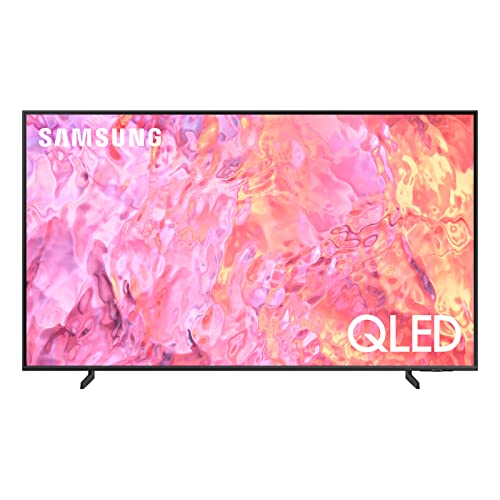
- Best for: Samsung households and bright-room everyday viewing
- Key specs: 55-inch QLED panel, 4K resolution, HDR10+, HDR10, Tizen smart platform, game mode with low input lag
- Watch out for: No Dolby Vision; no local dimming, so dark scenes are less deep

- Best for: Smaller rooms and the best picture processing
- Key specs: 43-inch 4K LED panel, Dolby Vision and HDR10, Sony image processing, Google TV, clear dialogue sound
- Watch out for: Smallest screen here; less bright than Mini-LED picks
All 3 Picks at a Glance
| Product | Specs | Action |
|---|---|---|
| TCL 55QM7K QD-Mini LED QLED 4K TV |
| Check price on Amazon |
| Samsung QN55Q60C QLED 4K TV |
| Check price on Amazon |
| Sony BRAVIA 3 K-43S30 43-inch 4K TV |
| Check price on Amazon |
Key takeaways
- The best ultra 4k tvs for sharp pictures and bright HDR, from QD-Mini LED flagships to value 4K sets, compared on panel, HDR and smart features.
The best ultra 4k tvs deliver a picture that stays sharp from across the room and bright enough to hold up in a sunlit living room. Ultra 4K means a 3840 by 2160 panel, four times the pixels of a Full HD screen, and at 55 inches and above that density makes a real difference to detail in films, sport, and games. The best sets pair that resolution with a bright panel, wide colour, and HDR that actually shows, rather than a badge on the box.
The five TVs in this guide cover the main ways to buy an Ultra 4K set. There is a TCL QD-Mini LED flagship with the brightest panel here, a Samsung QLED with a clean, bright picture, an LG 4K smart TV that covers the basics well, a Sony BRAVIA with the strongest processing, and a Hisense Mini-LED that brings premium panel technology to a more modest outlay. Each one earns its place for a different kind of living room, from a bright family room to a dedicated film setup.
Panel technology matters more than the resolution figure alone. Two Ultra 4K TVs can look very different side by side, because one uses a Mini-LED backlight with hundreds of dimming zones and the other uses a basic edge-lit panel with none. The guide below weighs panel type, HDR support, brightness, and smart features, so the pick that fits a bright room is easy to separate from the pick that suits a dark room and a film collection.
How to Choose
Panel type
QD-Mini LED and Mini-LED panels are the brightest here, with hundreds of dimming zones that keep dark scenes dark and bright scenes bright. QLED panels use quantum dots for wide colour and good brightness, while standard LED panels are the most affordable and still look good in a moderately lit room. OLED is a separate category with perfect blacks, but none of the picks here is OLED, which keeps the focus on bright-room performance.
HDR support
Look for Dolby Vision and HDR10 support, which are the two HDR formats most streaming services use. HDR10+ is a bonus on Samsung sets, while Dolby Vision is the more widely supported format on streaming platforms. A TV that lists HDR but has a dim panel will not show much of it, so brightness and HDR support have to be weighed together.
Brightness
Brightness decides whether a TV holds up in daylight. A panel rated at 400 nits or above works in a bright room, while a panel under 300 nits suits a darker room. Mini-LED sets can push far brighter, which is why they lead this guide for sunlit living rooms. Check the peak brightness figure rather than the typical figure when comparing.
Screen size
At Ultra 4K resolution, a larger screen shows more of the detail the panel can deliver. A 55-inch set suits most living rooms, while a 65-inch set suits a larger room or a longer viewing distance. Measure the wall or stand first, and remember that a bigger screen needs a bigger viewing distance to feel comfortable.
Smart platform
Google TV, Tizen, and webOS all carry the major streaming apps, but they differ in layout and in voice assistant support. Google TV is the most flexible for Android users, Tizen is clean and fast on Samsung sets, and webOS is straightforward on LG sets. Check that the apps the household uses are available before buying.
Gaming features
Gamers should look for HDMI 2.1 ports, a 120Hz panel, and variable refresh rate support, which keep fast games smooth. A TV without these still plays games well, but a console owner will notice the difference in fast action. The TCL and Samsung picks here are the strongest for gaming.
Sound
Built-in TV speakers are adequate for everyday viewing, but they are the weakest part of most TVs. A set with Dolby Atmos support and a decent speaker layout sounds better out of the box, and all five picks here benefit from a soundbar for films. Budget for one if films matter.
Top Picks
TCL 55QM7K QD-Mini LED QLED 4K TV
- Best for: Bright living rooms and the best overall picture
- Key specs: 55-inch QD-Mini LED QLED panel, 4K resolution, Dolby Vision, HDR10+, HDR10, HDMI 2.1, Google TV
- Watch out for: Upscaling of older content trails Sony; plainer design than Samsung
The TCL 55QM7K is the strongest all-round Ultra 4K TV in this guide, because its QD-Mini LED panel combines quantum-dot colour with a Mini-LED backlight that has hundreds of dimming zones. The result is a bright picture with deep blacks, wide colour, and HDR that actually shows in both dark films and bright sport. It supports Dolby Vision, HDR10+, and HDR10, so it covers every major HDR format, and its gaming features include HDMI 2.1 and a high refresh rate.
The 55-inch panel suits most living rooms, and the Google TV platform carries every major streaming app with a straightforward layout. Voice control is built in, and the set works with the major smart home systems. For a bright living room, this is the pick that holds up best in daylight, because the Mini-LED backlight pushes far brighter than a standard LED panel.
The trade-off is that TCL’s processing is a step behind Sony’s for upscaling older content, so standard-definition broadcasts look slightly softer than on the BRAVIA below. The design is also plainer than the Samsung, with thicker bezels. For picture quality per unit of outlay, though, nothing else here matches it.
Samsung QN55Q60C QLED 4K TV
- Best for: Samsung households and bright-room everyday viewing
- Key specs: 55-inch QLED panel, 4K resolution, HDR10+, HDR10, Tizen smart platform, game mode with low input lag
- Watch out for: No Dolby Vision; no local dimming, so dark scenes are less deep
The Samsung QN55Q60C is the pick for buyers who want a bright, clean QLED picture with Samsung’s polished smart platform. Its quantum-dot panel delivers wide, saturated colour and strong brightness, and it supports HDR10+ alongside HDR10, which suits Samsung’s own ecosystem. The Tizen smart platform is fast and clean, with every major streaming app and a straightforward home screen.
The slim design with narrow bezels looks good on a wall, and the set works well with Samsung phones and tablets for screen sharing and casting. Gaming features include a game mode with low input lag, which keeps console play responsive. For a household that already uses Samsung devices, the integration is a genuine convenience.
The trade-off is the lack of Dolby Vision, which matters for viewers who stream mainly from services that use that format, and the absence of local dimming, which means dark scenes do not go as deep as on the Mini-LED picks. For bright-room viewing and everyday streaming, though, it is a clean, reliable choice.
LG 55UR9000PUA 4K Smart TV
The LG 55UR9000PUA is the value pick in this guide, and the TV for buyers who want a solid Ultra 4K picture without paying for a premium panel. Its 55-inch 4K panel is sharp and clean, with good colour for everyday viewing, and it supports HDR10 and HLG, which covers the HDR formats most broadcast and streaming content uses. The webOS platform is straightforward and carries every major streaming app.
The set is easy to live with: setup is quick, the remote is simple, and the picture modes are sensible out of the box, so there is little need to adjust settings. It suits a bedroom, a second room, or a living room where the TV is used for a few hours a day rather than as the centrepiece of a home cinema.
The trade-off is brightness and contrast, which are a step behind the Mini-LED and QLED picks, so it suits a moderately lit room better than a sunlit one. It also lacks the gaming features of the TCL and Samsung, so console owners should look higher. For everyday viewing at a modest outlay, it is the sensible buy.
- Best for: Everyday viewing and second rooms at a modest outlay
- Key specs: 55-inch 4K LED panel, HDR10 and HLG, webOS smart platform, straightforward setup
- Watch out for: Lower brightness than Mini-LED and QLED picks; limited gaming features
Sony BRAVIA 3 K-43S30 43-inch 4K TV
- Best for: Smaller rooms and the best picture processing
- Key specs: 43-inch 4K LED panel, Dolby Vision and HDR10, Sony image processing, Google TV, clear dialogue sound
- Watch out for: Smallest screen here; less bright than Mini-LED picks
The Sony BRAVIA 3 is the pick for picture processing, because Sony’s image engine does the best job in this guide of making ordinary content look good. Its 43-inch 4K panel is smaller than the other picks, which suits a bedroom, a study, or a smaller living room, and its upscaling makes older broadcasts and streaming content look sharper than on any other set here. It supports Dolby Vision and HDR10, and its colour handling is the most natural in the guide.
The Google TV platform carries every major streaming app, and the set works with the major voice assistants. Sound is better than average for a TV of this size, with clear dialogue that suits dramas and news. For a smaller room where picture quality matters more than screen size, it is the strongest choice.
The trade-off is size: at 43 inches it is the smallest TV here, and it will feel small in a large living room. It is also less bright than the Mini-LED picks, so it suits a moderately lit room. For a bedroom or a study, though, its processing and colour make it the best picture in its size class.
Hisense 55U6K Mini-LED Google TV
The Hisense 55U6K is the pick for buyers who want Mini-LED technology at a more modest outlay. Its 55-inch Mini-LED panel has local dimming zones that keep dark scenes dark and bright scenes bright, and it supports Dolby Vision, HDR10+, and HDR10, covering every major HDR format. The quantum-dot colour is wide and vivid, and the Google TV platform carries every major streaming app.
For a bright living room, it holds up well, because the Mini-LED backlight pushes brighter than a standard LED panel. Gaming features include a game mode with low input lag, and the set works with the major voice assistants. It is the most affordable way into Mini-LED picture quality in this guide.
The trade-off is that its processing trails Sony’s for upscaling, and its design is plainer than the Samsung. The local dimming is also less refined than the TCL’s, so very dark scenes can show slight blooming around bright objects. For the outlay, though, it delivers a lot of panel for the money.
- Best for: Mini-LED picture quality at a more modest outlay
- Key specs: 55-inch Mini-LED QLED panel, 4K resolution, Dolby Vision, HDR10+, HDR10, Google TV, game mode
- Watch out for: Upscaling trails Sony; slight blooming in very dark scenes
Comparison Table
| TV | Best for | Panel | HDR | Smart platform | Size |
|---|---|---|---|---|---|
| TCL 55QM7K | Bright rooms, best overall picture | QD-Mini LED QLED | Dolby Vision, HDR10+, HDR10 | Google TV | 55-inch |
| Samsung QN55Q60C | Samsung households, everyday viewing | QLED | HDR10+, HDR10 | Tizen | 55-inch |
| LG 55UR9000PUA | Everyday viewing, value | LED | HDR10, HLG | webOS | 55-inch |
| Sony BRAVIA 3 K-43S30 | Smaller rooms, best processing | LED | Dolby Vision, HDR10 | Google TV | 43-inch |
| Hisense 55U6K | Mini-LED at a modest outlay | Mini-LED QLED | Dolby Vision, HDR10+, HDR10 | Google TV | 55-inch |
Which One Is Right for You?
For the best overall Ultra 4K picture, the TCL 55QM7K leads this guide. Its QD-Mini LED panel is the brightest and most capable here, and it covers every HDR format, so it suits both bright living rooms and dark film nights.
For a Samsung household, the QN55Q60C is the natural choice, with a clean QLED picture and the polished Tizen platform. For a smaller room, the Sony BRAVIA 3 gives the best processing and the most natural colour, while the LG 55UR9000PUA is the sensible value buy for everyday viewing. The Hisense 55U6K is the pick for buyers who want Mini-LED quality without the flagship outlay.
Frequently Asked Questions
What does Ultra 4K mean?
Ultra 4K means a resolution of 3840 by 2160 pixels, four times the pixels of a Full HD screen. At 55 inches and above, that density makes fine detail in films, sport, and games visibly sharper, especially when the content itself is filmed or streamed in 4K.
Is Mini-LED better than QLED?
Mini-LED describes the backlight, while QLED describes the colour layer, so a TV can be both. A Mini-LED backlight has hundreds of dimming zones that control brightness precisely, which gives deeper blacks and brighter highlights than a standard LED backlight. QLED adds quantum dots for wider colour.
Do I need Dolby Vision?
Dolby Vision is the most widely supported HDR format on streaming services, so a TV that supports it will show the best version of most streamed films and shows. A TV without it still shows HDR10, which is a good format, but the picture will not be quite as refined on services that use Dolby Vision.
What size Ultra 4K TV should I buy?
A 55-inch set suits most living rooms, while a 43-inch set suits a bedroom or a smaller room. A 65-inch set suits a larger room or a longer viewing distance. Measure the wall or stand first, and remember that a bigger screen needs a bigger viewing distance to feel comfortable.
Disclosure: As an Amazon Associate, we may earn from qualifying purchases.
More from Amazon
Programs that pair well with the guide above. Offers and eligibility are set by Amazon and may change.
Free shipping on eligible items, Prime Video and more. Eligible new members can start with a free trial.
Start a Prime free trialAd-free music streaming. Eligible new subscribers can start with a free trial.
Try Music Unlimited freeA Prime membership for ages 18-24 with a trial period. Eligibility is set by Amazon.
See Prime for Young AdultsAudiobooks and podcasts to listen to on the go. Eligible new members can start with a free trial.
Try Audible freeAs an Amazon Associate we earn from qualifying purchases.







Write Your Review
No reviews yet. Be the first to share your experience!