
Our Short List of 3

All 3 Picks at a Glance
| Product | Specs | Action |
|---|---|---|
| 3. Samsung Galaxy Tab S10 FE — Best Android Tablet for Social Media Creators | Check price on Amazon | |
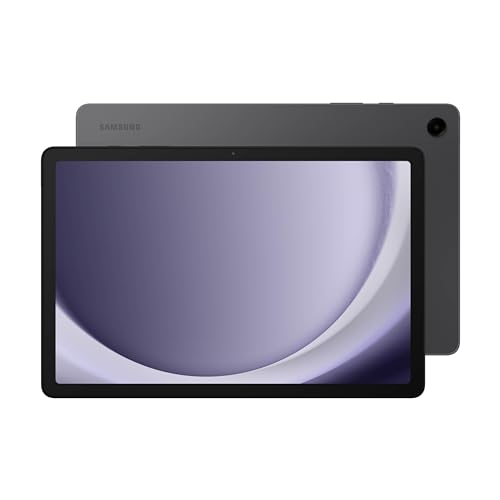
| 4. Samsung Galaxy Tab A9+ — Best Budget Pick for Scrolling and Streaming | Check price on Amazon | |
 5. Lenovo Tab Plus — Best for Watching Together and for Sound | Check price on Amazon |
Our Top Picks
- Samsung Galaxy Tab S10 FE 128GB WiFi Android128 GB10.01 x 6.53 x 0.24 inches1.15 poundsCheck on Amazon
As an Amazon Associate we earn from qualifying purchases.
Affiliate disclosure: This article contains affiliate links. If you buy through a link on this page, the site may earn a commission at no extra cost to you. Product selections are based on published specifications and listing information, not on commissions.
Social media is not one job. For most people it is hours of scrolling feeds, watching vertical video, replying to messages, and joining video calls. For creators it adds shooting, trimming clips, editing photos, scheduling posts, and sometimes going live. A tablet that is good at all of that looks different from a tablet built for drawing or for spreadsheets. You do not need a pressure-sensitive stylus story or a desktop-class keyboard first. You need a bright, accurate screen that stays readable on a sofa and in daylight, a front camera that sits in the right place when the tablet is held sideways, clear speakers for video, enough battery to survive a full day of feeds, and a body light enough that holding it one-handed does not become a chore.
That is the lens for this guide. Every pick below is a general-purpose entertainment and communication tablet, not a graphics tablet for illustrators and not a rugged field device. The ranking weighs display quality, front and rear cameras, speakers, battery capacity, weight, and how well each platform handles the apps people actually use for social media: Instagram, TikTok, YouTube, Facebook, X, Threads, Pinterest, and messaging apps with video calling. Specifications are taken from manufacturer and retailer listing information, and each pick links to its Amazon listing so you can confirm the current configuration before you buy.
A quick note on platforms matters. iPadOS still gets the most polished tablet versions of many creative and social apps, and editors tend to arrive there first. Android tablets offer wider screens that suit video, expandable storage on several models, and strong multitasking, but some social apps are still scaled-up phone layouts. Creators who edit heavily will lean one way; viewers who mostly watch and scroll may happily lean the other.
Quick Comparison
| Tablet | Best for | Display | Front camera | Speakers | Storage in this configuration |
|---|---|---|---|---|---|
| Apple iPad Air 11-inch (M3) | Creators who edit photo and video | 11-inch Liquid Retina, 500 nits typical brightness | 12MP, landscape, Center Stage | Stereo, landscape | 128GB |
| Apple iPad 11-inch (A16) | Best value in the Apple ecosystem | 11-inch Liquid Retina | 12MP, landscape, Center Stage | Stereo, landscape | 128GB |
| Samsung Galaxy Tab S10 FE | Android creators and note-takers | 10.9-inch, 90Hz, Vision Booster | 12MP ultra-wide | Dual, Dolby Atmos | 128GB, microSD expansion |
| Samsung Galaxy Tab A9+ | Budget scrolling and streaming | 11-inch, 1920 x 1200, 90Hz | 5MP | Quad, Dolby Atmos | 128GB, microSD expansion |
| Lenovo Tab Plus | Watching video and listening with a group | 11.5-inch 2K, 90Hz | 8MP | Eight JBL speakers, Dolby Atmos | 128GB, microSD expansion |
The Picks in Detail
1. Apple iPad Air 11-inch (M3) — Best Overall for Creators
See the Apple iPad Air 11-inch (M3) on Amazon
The iPad Air with the M3 chip is the strongest all-round choice here because it covers both halves of social media well. As a viewing device, its 11-inch Liquid Retina display has wide colour support and True Tone, so photos and video in a feed look close to how they were graded, and text stays sharp at normal reading distance. As a creation device, the M3 has far more headroom than scrolling alone needs, which is exactly the point: trimming 4K clips, applying filters, exporting a reel, and switching back to a browser or a scheduling app stays fluid rather than turning into a wait.
The front camera deserves specific attention, because placement matters as much as resolution. On this generation the 12MP front camera sits on the landscape edge. Hold the tablet sideways on a stand — the natural position for a video call, a live stream, or recording a talking-head clip — and you are centred in the frame instead of off to one side. Center Stage can keep you framed as you move a little, which helps for casual live video and for calls where you are not sitting perfectly still. The rear 12MP camera records 4K video, which is good enough for shooting short-form content in good light without reaching for a phone.
At roughly a pound in weight, the Air is comfortable for long reading and scrolling sessions, and Apple rates it for all-day battery life under its mixed-use test conditions. Stereo speakers in landscape orientation suit YouTube, TikTok, and podcasts. Storage starts at 128GB in the configuration linked here, with larger options on the same listing family; heavy video shooters should size up, because iPads do not take memory cards. Apple Pencil and keyboard accessories exist, but for a purely social media workload they are optional extras, not requirements.
Choose the Air if you post often, edit on the tablet itself, and want one device that will stay fast for years. Skip it if you mainly watch video in widescreen formats and would rather have a taller 16:10 screen and expandable storage for less money.
2. Apple iPad 11-inch (A16) — Best Value iPad for Everyday Social Use
See the Apple iPad 11-inch (A16) on Amazon
The standard iPad is the sensible default for people whose social media life is mostly consumption plus light posting. Its A16 chip handles feeds, messaging, photo browsing, and mainstream photo and video editors without drama, and it shares the feature that matters most for calls with the Air: a landscape 12MP front camera with Center Stage. For FaceTime, Zoom, Messenger, and WhatsApp video, that makes this entry model feel far more modern than older iPads with a portrait camera on the short edge.
The 11-inch Liquid Retina display is bright and colour-accurate enough for feeds, stories, and streaming, though it lacks some of the Air’s refinements such as full lamination and the wider colour and anti-reflective treatment found higher up the range. Indoors, where most tablet scrolling happens, the difference is modest. Stereo speakers in landscape orientation are well placed for video. Touch ID in the top button is quick for unlocking between sessions, and battery life is rated for all-day use in Apple’s terms.
The configuration linked here pairs 128GB of storage with Wi-Fi 6. That is plenty for apps, downloaded video, and a healthy photo library synced from the cloud. It is not the pick for sustained heavy video editing, for driving a large external display workflow, or for anyone who wants the fastest exports. It is the pick for a household tablet that lives on the coffee table, travels well, handles school and family calls, and posts to social accounts without fuss.
3. Samsung Galaxy Tab S10 FE — Best Android Tablet for Social Media Creators
See the Samsung Galaxy Tab S10 FE on Amazon
The Galaxy Tab S10 FE is the Android pick that best balances viewing, creating, and carrying. Its 10.9-inch display runs at 90Hz, so scrolling through fast-moving feeds looks smoother than on a standard 60Hz panel, and Samsung’s Vision Booster is designed to keep the screen legible in brighter rooms and near windows. The 16:10 shape is friendlier to widescreen video than a squarer tablet screen, with less wasted space above and below YouTube and streamed content.
For creators, the details add up. The 12MP ultra-wide front camera is positioned for landscape use, which suits video calls and recording yourself with the tablet propped up. The 13MP rear camera handles product shots, flat-lays, and quick clips for posts. An S Pen is included in the box, which is genuinely useful for marking up screenshots, sketching story layouts, and precise photo touch-ups, even if you never take handwritten notes. Samsung’s multitasking lets you keep a feed, a browser, and a notes or editing app visible together, which is a practical way to draft captions and check references at the same time.
The Exynos 1580 processor, IP68-rated body, and microSD expansion round out a travel-friendly package: spills and splashes are less of a worry than with most tablets, and storage can grow as your video library does. Dual speakers with Dolby Atmos are clear for calls and video. If you live in Android on your phone and want your tablet to match — same accounts, same apps, easy file sharing — this is the most complete social media option on that side.
4. Samsung Galaxy Tab A9+ — Best Budget Pick for Scrolling and Streaming
See the Samsung Galaxy Tab A9+ on Amazon
Not every social media tablet needs creator horsepower. The Galaxy Tab A9+ is aimed squarely at the viewing end of the job: an 11-inch screen at 1920 x 1200 resolution with a 90Hz refresh rate, quad speakers with Dolby Atmos, and a slim, light body that is easy to hold through a long evening of feeds and video. For TikTok, YouTube, Facebook, and Pinterest browsing, that combination covers what people notice most — screen size, smoothness, and sound.
The trade-offs are where you would expect. The front camera is 5MP, which is fine for casual family video calls in decent light but is not the camera to build a streaming setup around. The Snapdragon 695 processor is tuned for everyday apps rather than heavy video editing, so treat this as a consumption and light-posting tablet: browse, watch, message, upload photos taken elsewhere, and make the occasional clip. Storage in this configuration is 128GB, and a microSD slot lets you add room for downloaded shows and offline video, which is useful for travel and for households sharing one device.
Multi-window support is a quiet strength for social use. Keep a video playing in one pane while a chat or a feed runs in the other, and the A9+ feels purpose-built for how people actually multitask on a sofa. For a second screen for the kitchen, a travel tablet, or a first tablet for a teenager whose use is mostly social and streaming, it makes a strong, focused case.
5. Lenovo Tab Plus — Best for Watching Together and for Sound
See the Lenovo Tab Plus on Amazon
The Lenovo Tab Plus takes a different angle: it is built around entertainment hardware. Eight JBL speakers with Dolby Atmos is an unusual specification at any level, and it changes how social video feels. Group viewing, music videos, podcasts, and video calls all benefit from fuller, louder sound than the typical pair of tablet speakers can produce. A built-in kickstand that opens wide means the tablet props itself up on a table or kitchen counter without a case doing the work — ideal for following a live stream while cooking, or for a hands-free call.
The 11.5-inch 2K display runs at 90Hz and is large enough that split-screen use stays comfortable: a feed on one side, comments or messages on the other. The MediaTek Helio G99 processor with 8GB of memory is aimed at media and everyday apps rather than demanding editing, so set expectations accordingly — this is a watching, browsing, and posting tablet, not a video production workstation. Front and rear cameras are both 8MP according to the listing specifications, adequate for calls and casual content in good light.
Battery capacity is 8,600mAh with fast charging support, and storage is 128GB with microSD expansion. The Tab Plus is a little more specialised than the other picks, and that is its appeal: if your social media time is mostly watching, listening, and sharing a screen with other people in the room, its speakers and kickstand solve the two annoyances — thin sound and awkward propping — that other tablets leave to accessories.
Buying Guide: What Actually Matters for Social Media
Screen size and shape. Tablets between 10.9 and 11.5 inches hit the sweet spot for social use: large enough for comfortable reading, split-screen, and video, small enough to hold for long stretches. Squarer screens show more of a text feed at once; wider 16:10 screens fit widescreen video better. Brightness matters if you use the tablet near windows or outdoors; look for published brightness figures and anti-glare or brightness-boosting features rather than resolution alone.
Front camera placement. This is the most overlooked specification for social media. A camera on the long, landscape edge keeps you centred on video calls and live streams when the tablet is propped sideways. A camera on the short edge suits portrait holding. Resolution helps, but placement and software framing features such as Center Stage often matter more in daily use.
Speakers. Video is half of modern social media, and most of it is watched through built-in speakers. Stereo speakers placed for landscape listening are the baseline; quad or multi-speaker systems with Dolby Atmos are noticeably better for shared viewing and music. If you mostly use earbuds, this matters less; if the tablet lives in a kitchen or living room, it matters a lot.
Battery and weight. Feeds are a battery test of a thousand small wake-ups: screen on, radios active, video decoding for hours. Larger batteries and efficient chips both help, but also check the weight. A tablet you will hold one-handed for an hour should be near a pound; heavier, larger models are better treated as desk or stand devices.
Storage and connectivity. Social apps cache aggressively, and downloaded video adds up. Treat 128GB as a comfortable starting point, and value a microSD slot if you keep media offline. Wi-Fi 6 or better keeps feeds and uploads snappy on a modern home network. Cellular models exist in several of these families, but most social media tablet use happens on Wi-Fi, so only pay for a cellular configuration if you genuinely scroll and post away from it regularly.
This is not a drawing tablet guide. Graphics tablets and pen displays are a different product type, judged on pressure sensitivity and pen latency for illustration. Some picks here support an optional stylus, which is handy for markup and light editing, but if your main job is digital art, shop that category instead. Likewise, if your main job is long-form writing or spreadsheet work, keyboard quality and desktop-style multitasking should outrank the camera and speaker priorities used here.
Frequently Asked Questions
Which tablet is best for TikTok and Instagram creators?
The iPad Air (M3) is the strongest creator pick in this list thanks to its fast chip for editing and exporting, its landscape front camera with Center Stage, and the depth of tablet-optimised editing apps on iPadOS. The Galaxy Tab S10 FE is the closest Android equivalent, with a smooth 90Hz screen, a landscape front camera, and an included S Pen for markup and precise edits.
Is a cheaper tablet good enough for social media?
For scrolling, messaging, and streaming, yes. The Galaxy Tab A9+ covers those jobs with a large 90Hz screen and quad speakers. Where budget tablets compromise is the front camera, editing speed, and long-term software pace, so heavy posters and editors will feel the limits sooner than viewers will.
How much storage do social media apps need?
The apps themselves are modest, but their caches and your downloads are not. A 128GB tablet is comfortable for most people, especially with cloud photo storage. If you shoot and keep a lot of video on the device, choose a larger configuration or a model with microSD expansion, such as the Samsung and Lenovo picks here.
Wi-Fi or cellular for a social media tablet?
Wi-Fi is enough for most people, because tablets are mainly used at home, at work, or on public networks, and a phone hotspot covers the gaps. Cellular makes sense if you post and upload while travelling without reliable Wi-Fi and do not want to tether. It adds ongoing plan costs, so treat it as a deliberate choice rather than a default.
Can a tablet replace a phone for social media?
For home use, largely yes: the bigger screen is better for video, reading, and calls, and every major platform has a tablet-usable app or web version. The gaps are portability and, on Android, some apps that still present a scaled phone layout. Most people end up using the tablet as the home and creation device and the phone as the everywhere device, with accounts synced between them.
Verdict
Pick the iPad Air (M3) if you create as much as you consume, and the iPad (A16) for the same call-friendly camera placement for everyday social use. On Android, the Galaxy Tab S10 FE is the balanced creator-and-viewer choice, the Tab A9+ is the budget scrolling pick, and the Lenovo Tab Plus leads when sound and hands-free viewing matter most. Confirm the exact storage and colour configuration on the Amazon listing before ordering, since each family offers several variants.
More from Amazon
Programs that pair well with the guide above. Offers and eligibility are set by Amazon and may change.
Free shipping on eligible items, Prime Video and more. Eligible new members can start with a free trial.
Start a Prime free trialAd-free music streaming. Eligible new subscribers can start with a free trial.
Try Music Unlimited freeA Prime membership for ages 18-24 with a trial period. Eligibility is set by Amazon.
See Prime for Young AdultsAudiobooks and podcasts to listen to on the go. Eligible new members can start with a free trial.
Try Audible freeAs an Amazon Associate we earn from qualifying purchases.










Write Your Review
No reviews yet. Be the first to share your experience!