

Our Short List of 3

- Best for: Readers of plans, textbooks and colour documents who want the largest page and a pen in the box.
- 12.4-inch AMOLED 2X display
- 256GB storage, Wi-Fi
- S Pen included for note-taking
- Galaxy AI tools

- Best for: Long-form text documents and distraction-free reading with paper-style annotation.
- 10.2-inch Paperwhite e-ink display, 300 ppi
- 16-level grayscale with built-in light
- 64GB on-device storage
- Premium Pen included, no charging, with eraser and shortcut button

- Best for: E-ink readers whose documents carry colour and who want Android app access for their files.
- 10.3-inch colour ePaper display, Kaleido 3 Carta 1200 panel
- 6GB RAM, 64GB storage
- Android-based system (Android 13)
- BOOX Pen stylus with paper-like writing feel
All 3 Picks at a Glance
| Product | Specs | Action |
|---|---|---|
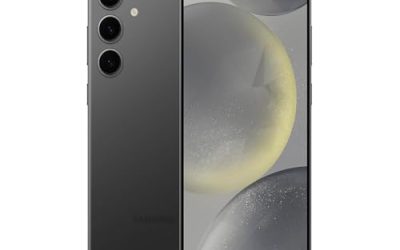
| Samsung Galaxy Tab S10+ |
| Check price on Amazon |
| Amazon Kindle Scribe (2024) |
| Check price on Amazon |
| BOOX Note Air4 C |
| Check price on Amazon |
Key takeaways
- Compare five tablets for PDF reading, from 11-inch iPads to colour e-ink, with page-size fit, pen annotation and storage compared from the listings.
A PDF page is a fixed layout, so the real decision is how much of that page you can read at once without pinching and zooming. On a 10 to 12 inch screen a letter or A4 page renders close to print size in portrait, while smaller panels force constant scrolling that breaks concentration during long contracts, papers and manuals. The second decision is annotation: whether you will only read, or also highlight, sign and write margin notes directly on the document.
This guide suits students working through journal articles, professionals reviewing reports and contracts, and readers who keep large document libraries. Three picks are bright LCD or AMOLED tablets with fast scrolling and colour, and two are e-ink models built for long, low-distraction reading sessions. Every pick was chosen from the display size, pen support and storage stated in its own listing, so the trade-offs below rest on listed facts rather than assumptions.
Quick Picks
As an Amazon Associate we earn from qualifying purchases.
| Product | Best for | Key spec from title |
|---|---|---|
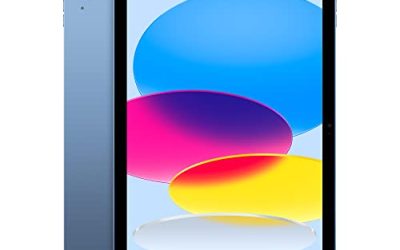
| Apple iPad Air 11-inch (M3) | All-round PDF work and markup | 11-inch Liquid Retina display, Apple Pencil Pro support |
| Samsung Galaxy Tab S10+ | Large colour documents and plans | 12.4-inch AMOLED 2X display, S Pen included |
| Apple iPad 11-inch (A16) | Reading first, lighter annotation | 11-inch Liquid Retina display, 128GB storage |
| Amazon Kindle Scribe (2024) | Long grayscale documents | 10.2-inch Paperwhite e-ink display, 300 ppi, Premium Pen included |
| BOOX Note Air4 C | Colour e-ink with Android apps | 10.3-inch colour ePaper display, 6GB RAM, 64GB storage |
How to Choose
Page size decides how much you zoom
A PDF does not reflow, so screen size translates directly into reading comfort. On an 11-inch tablet held in portrait, a standard document page appears close to its printed size and body text stays legible without gestures. Drop below that and every page becomes a zoom-and-pan exercise, which is tolerable for a boarding pass and exhausting for a 90-page report. The 12.4-inch pick here goes the other way, showing plans and textbooks nearer full size. Match the screen to the largest documents you read weekly, not the smallest, because the big files are the ones that punish a small display.
Pen support decides how you annotate
Reading and marking up are different jobs, and the pen decides the second one. Check three things in the listing: whether a stylus is included in the box, which pencil generations the tablet actually supports, and whether the pen needs charging. The Galaxy Tab S10 Plus includes its S Pen, and the Kindle Scribe includes a Premium Pen that never needs charging and carries an eraser. The iPads split by model: the Air works with Apple Pencil Pro, while the base iPad works with the USB-C and first-generation Pencils only. Buying the wrong pencil for your model is the most common avoidable mistake here.
E-ink versus LCD is a session-length choice
E-ink and LCD reward different reading habits, and neither is simply better. E-ink panels render a page like print, stay comfortable through multi-hour sessions and sip power, which is why the Scribe listing quotes battery life in weeks. The trade is real: pages turn more slowly, colour is either absent or muted, and embedded video or fast scrolling feels sluggish. LCD and AMOLED tablets refresh instantly, show colour exactly and handle mixed documents with figures and photographs, but their battery is measured in hours of screen time. Choose by your longest typical session and by how much colour your documents genuinely carry.
Storage and file handling for big libraries
PDFs feel small one at a time and enormous in aggregate: a semester of journal articles, a project archive of reports or a shelf of scanned manuals can fill a tablet faster than expected. The listings here range from 64GB on the e-ink models to 256GB on the Galaxy Tab, and none of these picks should be assumed to take a memory card unless the listing says so. If your library lives in cloud storage or a document app, also weigh the platform: the BOOX runs Android apps for direct access, while the Scribe works inside Amazon’s document flow.
The 5 Best Options
Apple iPad Air 11-inch (M3)
The iPad Air is the balanced pick for readers who split time between reading and marking up. Its 11-inch Liquid Retina screen shows a full PDF page at a readable size in portrait, and Apple Pencil Pro support means highlights, margin notes and signatures happen directly on the document rather than in a separate notes app. The M3 chip keeps large files and quick page turns responsive, and 128GB holds a substantial working library. For students and professionals who annotate daily, this is the most complete PDF tool in the group.
Specs
- 11-inch Liquid Retina display
- Apple M3 chip
- 128GB storage, Wi-Fi 6E
- Touch ID
- 12MP front and back cameras
- Works with Apple Pencil Pro and Apple Pencil (USB-C)
- All-day battery life
Best for: Readers who annotate PDFs every day and want one tablet for reading, markup and general use.
Watch out for: The 128GB on this listing is fixed, so very large local libraries will lean on cloud storage.
ASIN: B0DZ76BN5D
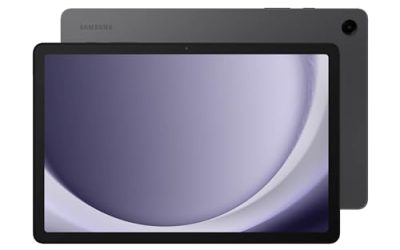
Samsung Galaxy Tab S10+
- Best for: Readers of plans, textbooks and colour documents who want the largest page and a pen in the box.
- 12.4-inch AMOLED 2X display
- 256GB storage, Wi-Fi
- S Pen included for note-taking
- Galaxy AI tools
Readers of plans, textbooks and colour documents who want the largest page and a pen in the box.
The listing title does not name the processor, so check the live listing if chip details matter to you.
The Galaxy Tab S10 Plus is the pick when documents are large-format or colour-heavy. Its 12.4-inch AMOLED 2X screen is the biggest in this group, so plans, textbooks and magazine layouts render closest to their printed size, with strong contrast for dense diagrams. The S Pen is included in the box, so annotation starts immediately with nothing extra to buy, and 256GB of storage suits readers who keep whole course or project archives on the device. Galaxy AI tools are listed for note-taking support alongside the pen.
Apple iPad 11-inch (A16)
The base iPad is the sensible entry point for reading-first buyers who still want pen annotation. The 11-inch Liquid Retina display matches the Air for page size, and the A16 chip handles everyday documents without fuss. The honest compromise is the pencil: this model works with Apple Pencil (USB-C) and the first-generation Pencil, but Apple Pencil Pro does not work with it, so the Pro pencil’s extra markup features are off the table. For reading, highlighting and signing, that trade keeps the setup simple and the same size as the Air.
Specs
- 11-inch Liquid Retina display
- Apple A16 chip
- 128GB storage, Wi-Fi 6
- Touch ID
- 12MP front and back cameras
- Works with Apple Pencil (USB-C) and Apple Pencil (1st generation)
- Apple Pencil Pro is not supported
- All-day battery life
Best for: Reading-first buyers who highlight and sign documents but do not need the Pro pencil.
Watch out for: This ASIN was tied to the listing through secondary sources rather than a direct page read, so confirm the live listing and configuration before buying.
ASIN: B0DZ77D5HL
Amazon Kindle Scribe (2024)
- Best for: Long-form text documents and distraction-free reading with paper-style annotation.
- 10.2-inch Paperwhite e-ink display, 300 ppi
- 16-level grayscale with built-in light
- 64GB on-device storage
- Premium Pen included, no charging, with eraser and shortcut button
Long-form text documents and distraction-free reading with paper-style annotation.
This ASIN was tied through retailer mirrors of the listing, so spot-check the live listing; PDFs also render in grayscale only, so colour-coded charts lose their meaning.
The Kindle Scribe is built for readers whose PDFs are text: papers, reports, manuscripts and contracts. The 10.2-inch Paperwhite e-ink screen renders at 300 ppi with 16-level grayscale, so pages look like print and stay comfortable through very long sessions, and the listing quotes up to 12 weeks of battery life. The included Premium Pen needs no charging and carries an eraser and a shortcut button, so marking up documents feels like working on paper. Colour, however, is entirely absent: charts and figures arrive in shades of gray.
BOOX Note Air4 C
- Best for: E-ink readers whose documents carry colour and who want Android app access for their files.
- 10.3-inch colour ePaper display, Kaleido 3 Carta 1200 panel
- 6GB RAM, 64GB storage
- Android-based system (Android 13)
- BOOX Pen stylus with paper-like writing feel
E-ink readers whose documents carry colour and who want Android app access for their files.
A marketplace mirror of this listing showed it as unavailable during research, so check the live Amazon listing for a real offer before relying on this pick.
The BOOX Note Air4 C is the e-ink option for readers who still need colour and apps. Its 10.3-inch colour ePaper display uses a Kaleido 3 Carta 1200 panel, so highlighted passages, charts and textbook figures keep their colour coding in a muted, paper-like form instead of flat gray. Because it runs Android, PDFs can be opened in the built-in reader or in third-party apps, and the BOOX Pen gives it the same paper-like writing feel as a notebook. It suits readers who annotate across many different document sources.
Which One Fits Your Situation
You read academic papers all week
Start with the Kindle Scribe if your papers are text and equations: the 300 ppi e-ink page reads like print and the battery lasts for weeks of seminars. If your field leans on colour figures, take the BOOX Note Air4 C instead, since its colour ePaper panel keeps charts distinguishable while staying easy on the eyes through long reading days.
You mark up contracts and reports for work
Choose the iPad Air with Apple Pencil Pro for the most direct markup workflow on an 11-inch page, or the Galaxy Tab S10 Plus when documents run large and the included S Pen saves a separate purchase. Both keep signatures, highlights and margin notes on the document itself, which is what reviewing work actually demands day to day.
You want the longest, calmest reading sessions
The two e-ink picks are built for this. The Scribe pairs a print-like grayscale page with battery life quoted in weeks and a pen that never needs charging, while the BOOX adds muted colour and Android apps for readers whose files live in several places. Either removes the notifications, glare and hourly charging rhythm of a conventional tablet screen.
Your library is huge and mostly colour
Take the Galaxy Tab S10 Plus: the 12.4-inch AMOLED 2X screen shows big colour pages nearest their printed size, and its 256GB is the most storage in this group. The iPad Air is the alternative when your library already lives in Apple’s ecosystem, accepting that 128GB means heavy readers will lean on cloud storage for the overflow.
Common Mistakes
- Buying a small tablet for fixed-layout PDFs, then spending every session pinching and zooming instead of reading.
- Assuming every iPad supports Apple Pencil Pro; the base iPad (A16) works only with the USB-C and first-generation Pencils.
- Expecting colour charts and figures to stay readable on a grayscale e-ink screen like the Kindle Scribe.
- Underestimating storage: scanned manuals and course archives fill 64GB faster than most buyers expect.
- Choosing e-ink for fast-moving documents with embedded media, where slow page refresh becomes a daily frustration.
Frequently Asked Questions
Is an 11-inch screen big enough for A4 or letter PDFs?
For most readers, yes. An 11-inch tablet in portrait shows a standard page close to its printed size, so body text stays readable without zooming. Dense two-column journal layouts and fine print still benefit from the 12.4-inch Galaxy Tab, and readers who constantly work with plans or textbooks should weight screen size above everything else in this group.
Can I annotate PDFs directly on the e-ink tablets?
Yes, and it is the point of both e-ink picks. The Kindle Scribe includes a Premium Pen with an eraser for writing on documents inside Amazon’s system, while the BOOX Note Air4 C pairs its stylus with a built-in reader and Android apps. Expect a paper-like feel and slower page turns rather than the instant refresh of an LCD tablet.
Does the base iPad work with Apple Pencil Pro?
No. The iPad (A16) listing’s compatibility is Apple Pencil (USB-C) and the first-generation Apple Pencil; Apple Pencil Pro does not work with this model. That still covers highlighting, handwritten notes and signatures on PDFs, but buyers who specifically want the Pro pencil’s features need the iPad Air (M3) instead, which lists Pencil Pro support.
Which tablet handles colour PDFs best?
The Galaxy Tab S10 Plus, on the listed facts: its 12.4-inch AMOLED 2X display is the largest and most colour-capable screen here, and 256GB holds big colour libraries. The BOOX Note Air4 C is the e-ink alternative when colour coding matters but you prefer a paper-like panel, accepting that colour e-ink renders muted tones rather than vivid ones.
More from Amazon
Programs that pair well with the guide above. Offers and eligibility are set by Amazon and may change.
Free shipping on eligible items, Prime Video and more. Eligible new members can start with a free trial.
Start a Prime free trialAd-free music streaming. Eligible new subscribers can start with a free trial.
Try Music Unlimited freeA Prime membership for ages 18-24 with a trial period. Eligibility is set by Amazon.
See Prime for Young AdultsAudiobooks and podcasts to listen to on the go. Eligible new members can start with a free trial.
Try Audible freeAs an Amazon Associate we earn from qualifying purchases.
Write Your Review
No reviews yet. Be the first to share your experience!