
Our Short List of 3
All 4 Picks at a Glance
| Product | Specs | Action |
|---|---|---|
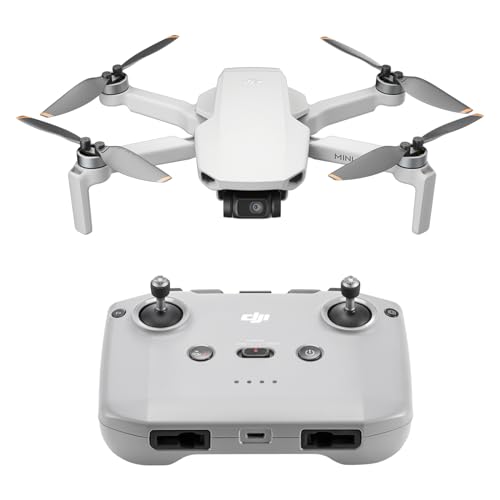 1. DJI Mini 4K | Check price on Amazon | |
 2. Potensic ATOM SE | Check price on Amazon | |
 3. Ruko F11MINI | Check price on Amazon | |
 4. Holy Stone HS110D | Check price on Amazon |
Key takeaways
- Looking for the best inexpensive drones with cameras? Compare 4 affordable camera drones with 4K video, GPS return, and long flight times for beginners.
The best inexpensive drones with cameras prove that you do not need a flagship budget to shoot great aerial video. A few years ago, a cheap drone meant a shaky camera, a five-minute flight, and a controller that lost signal across a small park. Today, affordable drones under the 249 gram weight limit carry stabilized 4K cameras, GPS return-to-home, and flight times that stretch past half an hour per battery. This guide compares four inexpensive camera drones that are actually worth buying, explains what to look for before you spend, and helps you pick the right one for learning, travel, or casual aerial photography.
How to Choose an Inexpensive Drone With a Camera
Budget drones vary far more than their listings suggest. Two drones can both claim 4K video and still produce very different footage. Use the factors below to separate real value from marketing.
Camera Quality: Resolution Is Only Half the Story
A 4K label tells you the video resolution, not how smooth or sharp the footage looks. What matters just as much is stabilization. A three-axis mechanical gimbal physically steadies the camera and produces noticeably smoother video than electronic image stabilization alone, which crops the image to smooth it out. Electronic stabilization is still useful, and on a budget drone it is a reasonable compromise, but a gimbal is the single biggest upgrade you can get for video quality. Also check the photo resolution and whether the camera can tilt, since an adjustable camera angle makes framing shots far easier.
Flight Time and Batteries
Flight time is usually quoted per battery, and most inexpensive drones fly for around 25 to 35 minutes on one battery. A kit that includes two or three batteries effectively doubles or triples your time in the air, which matters far more than a few extra minutes on a single battery. Check whether the batteries charge over USB, how long a full charge takes, and whether the drone warns you clearly when the battery is low. A drone that lands itself safely beats one that drops out of the sky.
Weight and Regulations
Drones under 249 grams sit under the weight threshold that triggers registration requirements for recreational flying in the United States, which is one reason so many affordable drones are designed to weigh just under that limit. A sub-249 gram drone is also easier to carry on a trip and less intimidating to learn on. Keep in mind that local rules still apply everywhere, so check the regulations for the place you plan to fly, and never fly near airports, crowds, or restricted areas.
GPS and Return to Home
GPS is the feature that separates a real camera drone from a toy. A GPS drone holds its position in the wind, flies a programmed route, and returns to its takeoff point automatically when the battery runs low or the signal is lost. If you are choosing between two similarly priced drones and only one has GPS return to home, pick the GPS one. It is the single most valuable safety feature on a budget drone.
Range and Transmission
Transmission range tells you how far the drone can fly from the controller while still sending back a live video feed. Budget drones typically offer a few kilometers of range, which is more than enough for learning and for most photography. What matters more in practice is a stable connection: a drone that holds its video feed reliably at a few hundred meters is more useful than one that claims a huge range but stutters. Wi-Fi based video links are common on cheaper drones, while dedicated transmission systems tend to be steadier.
Ease of Use for Beginners
Look for one-key takeoff and landing, altitude hold, headless mode, and a companion app with tutorials. These features do not make you a better pilot, but they remove the frustrating first hours when a new drone feels uncontrollable. A good beginner drone should be in the air and recording within minutes of unboxing, not after a weekend of reading a manual.
Top Picks: The Best Inexpensive Drones With Cameras
1. DJI Mini 4K
The DJI Mini 4K is the benchmark that every other inexpensive camera drone is measured against. It records 4K video through a three-axis mechanical gimbal, which is the feature that makes its footage look smooth and professional rather than shaky. The camera uses a 12 megapixel sensor, shoots 4K at 30 frames per second, and captures clean stills that hold up well on a large screen. At under 249 grams it avoids recreational registration requirements in the United States, folds down small enough to fit in a jacket pocket, and flies for up to 31 minutes on one battery.
In the air, the Mini 4K feels like a much more expensive drone. Its GPS return to home works reliably, it holds position well in wind, and the transmission range reaches up to 10 kilometers in ideal conditions. The DJI Fly app adds QuickShots automated flight moves, beginner tutorials, and simple editing templates that turn raw clips into shareable videos. Downsides are modest: you need to supply your own microSD card for full-quality recording, and the single-battery kit means a spare battery is a worthwhile early purchase. For anyone who wants the best video quality available at this level, this is the pick.
Check the DJI Mini 4K on Amazon
2. Potensic ATOM SE
The Potensic ATOM SE is the strongest direct rival to the DJI Mini line at a lower cost. It records 4K video at 30 frames per second with electronic image stabilization, captures 12 megapixel stills, and weighs under 249 grams. Its headline advantage is flight time: the standard kit includes two batteries for up to 62 minutes of total flight, so you can spend a whole afternoon shooting without stopping to recharge. Transmission reaches up to 4 kilometers, and the brushless motors give it a top speed that feels lively without being hard to control.
The ATOM SE uses Potensic’s SurgeFly flight control system and includes GPS auto return, follow-me mode, circle flight, and waypoint flying, a generous feature set for its class. The electronic stabilization is not quite as smooth as a mechanical gimbal, and the footage can show more movement in gusty wind, but for daylight photos and video it is impressively capable. Beginners will appreciate the foldable design and the straightforward app. If long flight time and value matter more to you than having a mechanical gimbal, the ATOM SE is the smart buy.
Check the Potensic ATOM SE on Amazon
3. Ruko F11MINI
The Ruko F11MINI is built for beginners who want a complete kit at a modest cost. It records 4K video, weighs under 249 grams, and ships with two batteries that together deliver up to 60 minutes of flight time. GPS auto return, follow-me mode, and point-of-interest circling are all included, and the 5 gigahertz Wi-Fi link provides a live first-person view on your phone. The foldable body packs down small, and the included carrying case keeps everything together for travel.
Where the F11MINI stands out is how much kit you get for the money: spare propellers, a case, and two batteries are all in the box, so there is little you need to buy afterward. Its brushless motors are quieter and longer lasting than the brushed motors found on the cheapest toy drones, and the GPS hold keeps it steady while you frame a shot. Video quality is a step behind the DJI Mini 4K, because it relies on electronic stabilization rather than a gimbal, but for social media clips, family trips, and learning aerial photography it delivers more than its class suggests. It is a strong choice for a first drone.
Check the Ruko F11MINI on Amazon
4. Holy Stone HS110D
The Holy Stone HS110D is the most affordable drone in this roundup and the best option if your budget is tight or you are buying a first drone for a younger pilot. It shoots 1080p video through a 120 degree wide-angle camera, streams a live first-person view to your phone over Wi-Fi, and includes two modular batteries for extended flying sessions. Altitude hold keeps it hovering steadily, headless mode simplifies steering, and one-key takeoff and landing make the first flight genuinely easy.
The HS110D also has the most playful feature set here: voice control, gesture control for photos, trajectory flight where you draw a path on the screen, and 3D flips at the push of a button. It lacks GPS, so it cannot return home automatically, and its 1080p camera and Wi-Fi range are clearly a step below the other picks. Treat it as a fun learning drone and a way to find out whether you enjoy flying before spending more. For that job, at its cost, it is hard to beat.
Check the Holy Stone HS110D on Amazon
Comparison Table
| Drone | Camera | Stabilization | Weight | Flight Time | GPS Return | Best For |
|---|---|---|---|---|---|---|
| DJI Mini 4K | 4K, 12MP | 3-axis gimbal | Under 249 g | Up to 31 min | Yes | Best overall video quality |
| Potensic ATOM SE | 4K, 12MP | Electronic stabilization | Under 249 g | Up to 62 min, 2 batteries | Yes | Longest total flight time |
| Ruko F11MINI | 4K | Electronic stabilization | Under 249 g | Up to 60 min, 2 batteries | Yes | Best complete beginner kit |
| Holy Stone HS110D | 1080p | None, altitude hold | Lightweight toy class | Two batteries included | No | Cheapest first drone |
Tips for Getting the Most From a Budget Camera Drone
A good drone still needs good habits. Fly in the morning or late afternoon for softer light, and avoid the harsh middle of the day when shadows are hard and footage looks flat. Keep the sun behind the drone when you can, and use the camera tilt to keep the horizon level. Shoot short clips instead of one long take, and move slowly: gentle, steady movements look far better than fast turns.
Before every flight, check the propellers for damage, confirm the battery is fully charged, and wait for a strong GPS lock before takeoff. Calibrate the compass when the app asks you to, and always keep the drone in sight. Bring a spare microSD card and a power bank for the controller, because the most common reason a flying session ends early is a dead phone or controller, not a dead drone battery.
Finally, respect the rules and the people around you. Fly in open spaces, keep a safe distance from people and animals, and check local regulations before you travel with a drone. A little courtesy goes a long way toward keeping flying welcome everywhere.
Frequently Asked Questions
What is the best inexpensive drone with a camera for beginners?
The DJI Mini 4K is the best overall choice if your budget stretches to it, because its three-axis gimbal and reliable GPS make learning easy and the footage looks great from the first flight. If you want to spend less, the Ruko F11MINI is an excellent first drone with GPS return and two batteries in the box, while the Holy Stone HS110D is the cheapest way to learn the basics.
Do I need to register an inexpensive drone?
In the United States, drones under 249 grams flown for recreation generally do not need to be registered, which is why all three of the GPS drones in this guide are designed to weigh just under that limit. Rules differ by country and change over time, so check your local aviation authority before flying, especially if you travel with a drone.
Is 4K video worth it on a budget drone?
Yes, if the drone also has good stabilization. A 4K label alone does not guarantee smooth footage, so a stabilized 1080p drone can look better than a shaky 4K one. The DJI Mini 4K is the clearest example of doing both well at this level. If you mostly share clips on a phone screen, the 1080p Holy Stone HS110D is still perfectly enjoyable.
How long do inexpensive drones actually fly?
Most budget camera drones fly for 25 to 35 minutes per battery in calm conditions, and real-world flight time is usually a little shorter than the quoted maximum. The Potensic ATOM SE and Ruko F11MINI both include two batteries, giving up to 60 minutes or more of total flight, which is the most practical way to get longer sessions without buying extras.
Can inexpensive drones fly in wind?
Light wind is fine for GPS drones like the DJI Mini 4K, Potensic ATOM SE, and Ruko F11MINI, which hold position well and are rated for moderate wind. Strong gusts are a different story: they drain the battery faster, make footage shaky, and can push a light drone off course. As a rule, if you have to lean into the wind to walk comfortably, leave the drone in its case.
Conclusion
The best inexpensive drones with cameras have never been this capable. The DJI Mini 4K leads on video quality thanks to its three-axis gimbal, the Potensic ATOM SE wins on total flight time with its two-battery kit, the Ruko F11MINI is the most complete beginner package, and the Holy Stone HS110D is the cheapest way to learn whether drone flying is for you. Whichever you choose, prioritize GPS return to home, buy at least one spare battery, and spend your first few flights in a wide open space learning the controls. Do that, and an affordable drone will reward you with aerial photos and video that would have cost a small fortune only a few years ago.
Disclosure: As an Amazon Associate, we earn from qualifying purchases.
More from Amazon
Programs that pair well with the guide above. Offers and eligibility are set by Amazon and may change.
Free shipping on eligible items, Prime Video and more. Eligible new members can start with a free trial.
Start a Prime free trialAd-free music streaming. Eligible new subscribers can start with a free trial.
Try Music Unlimited freeA Prime membership for ages 18-24 with a trial period. Eligibility is set by Amazon.
See Prime for Young AdultsAudiobooks and podcasts to listen to on the go. Eligible new members can start with a free trial.
Try Audible freeAs an Amazon Associate we earn from qualifying purchases.










Write Your Review
No reviews yet. Be the first to share your experience!