
Our Short List of 3

All 4 Picks at a Glance
| Product | Specs | Action |
|---|---|---|
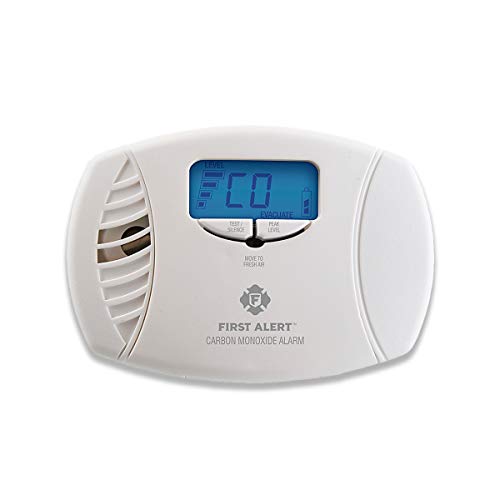
| First Alert CO615 Dual-Power Plug-In Carbon Monoxide Detector with Battery Backup and Digital Display, White | Check price on Amazon | |
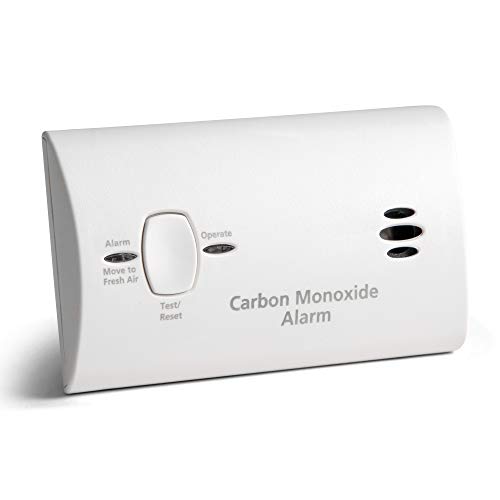
| Kidde Carbon Monoxide Detector, AA Battery Powered, Portable for Travel or Home, 85 dB Alarm, LED Status Indicators, 3rd Edition | Check price on Amazon | |
| First Alert Carbon Monoxide Detector, Plug-In Alarm with Test & Silence Button, CO600, White, 1-Pack | Check price on Amazon | |
 First Alert CO606, Plug-In Carbon Monoxide (CO) Detector, Hardwired Alarm with Battery Backup, 3-Pack | Check price on Amazon |
Key takeaways
- Compare the best CO monitors for home safety, with sensor accuracy, digital display, battery backup, alarm loudness and features ranked at home.
The keyword for this guide is “best co monitors,” and here “co” is read as CO, which stands for carbon monoxide. This article covers carbon monoxide monitors and alarms for home safety, not any other kind of monitor. Carbon monoxide is a colorless and odorless gas produced by fuel-burning appliances, so a dedicated alarm is the practical way to get an early warning at home.
As an Amazon Associate, we earn from qualifying purchases.
Quick answer
If you want one plug-in alarm with a clear display, the First Alert CO615 is the straightforward pick, with a backlit digital readout and battery backup. For a simple battery-powered alarm you can move from room to room, the Kidde KN-COB-LP2 is the easy choice. The other three picks below cover a no-frills plug-in, a three-pack for several rooms, and a Wi-Fi model with phone alerts.
First Alert CO615 Dual-Power Plug-In Carbon Monoxide Detector with Battery Backup and Digital Display, White
The First Alert CO615 is a plug-in carbon monoxide alarm with a backlit digital display, and it is the most informative pick in this guide. The display shows the current carbon monoxide concentration in parts per million, so you can see a reading at a glance instead of waiting for the alarm to sound. That readout is the main reason to choose this model over a basic plug-in alarm with no display. It uses an electrochemical sensor, which the maker describes as the most accurate sensing technology available for this kind of alarm.
Power comes from a standard wall outlet, with two AA batteries included as backup, so monitoring continues during a power outage. A test and silence button lets you check the unit and quiet a non-threatening alarm or a low-battery warning. An end-of-life timer signals when the unit should be replaced, and a low-battery signal alerts you when the batteries need changing. When carbon monoxide rises, the alarm sounds a loud 85-decibel horn and re-alarms if levels stay high. It measures 1.7 inches deep by 5 inches wide by 3.4 inches high, carries a 7-year limited warranty.
Kidde Carbon Monoxide Detector, AA Battery Powered, Portable for Travel or Home, 85 dB Alarm, LED Status Indicators, 3rd Edition
The Kidde KN-COB-LP2 is a battery-powered carbon monoxide alarm, and its appeal is simple: no outlet is needed, so it can go almost anywhere. It runs on two AA alkaline batteries, which are included, and it keeps working during a power failure because it never depended on mains power in the first place. It can be wall mounted or set on a tabletop, and its compact body measures 1.65 inches deep by 4.72 inches wide by 2.83 inches high and weighs 0.23 pounds.
Detection uses an electrochemical sensor, and when carbon monoxide is detected, an 85-decibel alarm sounds and a red LED flashes, while a green LED shows the alarm is receiving power. A test-hush button checks the battery and the alarm, and it can temporarily silence a low-battery chirp. The alarm has no digital display, so it cannot show a live reading in parts per million, and that is the trade-off for its small size and low fuss. It is UL certified and backed by a 10-year limited manufacturer warranty. For anyone who wants a portable alarm that is ready as soon as the batteries are in, this is the least complicated pick in the guide.
First Alert Carbon Monoxide Detector, Plug-In Alarm with Test & Silence Button, CO600, White, 1-Pack
The First Alert CO600 is the plainest plug-in pick in this guide, and that is exactly its strength. It plugs into any standard 120-volt wall outlet and is ready to go, with no display to read and no battery to fit. It uses an electrochemical sensor to detect carbon monoxide, and when levels become elevated, a loud 85-decibel alarm alerts everyone nearby. A single button handles both testing and silencing, so there is nothing to learn beyond pressing it now and then to check the unit. An end-of-life timer lets you know when it is time to replace the device.
Because there is no battery backup and no display, this model suits a room where an outlet is always live and a simple alarm is enough. It is UL listed, and the maker notes that the unit monitors and re-alarms if carbon monoxide levels persist. The trade-off is clear: if the power goes out, this alarm stops with it, and you get no live reading of carbon monoxide levels. For a hallway or living room with a spare outlet, it covers the basics with the least fuss.
First Alert CO606, Plug-In Carbon Monoxide (CO) Detector, Hardwired Alarm with Battery Backup, 3-Pack
The First Alert CO606 is a three-pack of plug-in carbon monoxide alarms, and it is the pick for covering several rooms at once. Each unit plugs into a standard outlet and runs on 120-volt power with a 9-volt battery included as backup, so monitoring continues during a power outage. The listing names model CO606 and lists CO605 as the manufacturer part number, so check the model details on the listing when you order. Each alarm uses an electrochemical sensor and sounds a loud 85-decibel alarm when carbon monoxide rises, and each unit has a single button for testing and silencing, plus an end-of-life timer.
Each unit measures 1.38 inches deep by 5 inches wide by 3.4 inches high and weighs 0.5 pounds, and the pack carries a 7-year limited warranty. There is no digital display on these alarms, so they will not show a live reading in parts per million. For a house with a furnace room, a hallway, and a bedroom to cover, a three-pack avoids buying the same alarm three times separately. It is a practical choice for whole-home coverage, provided every room has a free outlet.
X-Sense Wi-Fi Plug-in Carbon Monoxide Detector with AAA Battery Backup, No-Cost App Notifications, XC0C-iA, 1-Pack
The X-Sense XC0C-iA is the connected pick in this guide, and it is the one to choose if you want alerts on your phone as well as a siren at home. It plugs into a wall outlet and works on household power, with two AAA batteries included as backup, so it keeps watch during a power cut. It connects over 2.4 GHz Wi-Fi only, and it does not work with 5 GHz networks, so check your router band before you buy. Through the X-Sense Home Security app, it sends alerts about carbon monoxide alarms, carbon monoxide levels, low battery, and faults at no extra cost, and it can also notify you if power to the detector is cut.
The alarm uses an electrochemical sensor, has an LCD digital display, and can be silenced through the app. Peak memory records the highest carbon monoxide level since the last reset, so you can check later whether a high reading occurred while you were away. The maker gives the unit a 10-year lifespan. The trade-off is that it needs Wi-Fi and a phone app to deliver its extra features, but for remote alerts, it is the most capable alarm here.
How to choose
Start with power. A plug-in alarm is the set-and-forget option for a room with a free outlet, while a battery alarm fits rooms without one and keeps working in a power cut. Next, decide whether you want a display. A digital readout shows the live level in parts per million and helps you understand what the alarm is sensing, while a basic alarm only sounds. Check the alarm loudness and the sensor type, and note the warranty and lifespan, since these alarms are replaced on a schedule rather than kept forever. Think about how many rooms need cover: a single alarm suits a flat, while a multi-pack suits a house with bedrooms on different floors. If you want alerts away from home, a Wi-Fi model adds phone notifications, but it needs a 2.4 GHz network. Finally, place alarms near bedrooms and fuel-burning appliances, test them regularly, and replace batteries and units on schedule.
Who should skip
Skip a Wi-Fi alarm if your home has no reliable 2.4 GHz network or you do not want another app on your phone, since its extra features depend on the connection. Skip a plug-in alarm with no battery backup if the only free outlet is on a circuit that trips often, or if you need cover during power cuts, and choose a battery model instead. Skip a three-pack if you only need one room covered, since spare alarms sitting in a drawer lose useful life. Skip a display model if you only want a simple warning sound. Anyone who already has working carbon monoxide alarms in every needed spot, with time left on their lifespan, does not need another one yet. And if your home has no fuel-burning appliance, no attached garage, and no other combustion source, a carbon monoxide alarm is a lower priority than other safety gear.
Frequently Asked Questions
Where should I put a carbon monoxide monitor in my home?
Put one on every level of your home and near sleeping areas, so the alarm can wake you at night. Place another near fuel-burning appliances such as a furnace, boiler, water heater, or gas stove, but not directly above them, since steam and heat can cause nuisance alarms. A hallway outside bedrooms is a good default spot, and the alarm should be loud enough to hear from bed.
How often should I test a carbon monoxide alarm?
Test the alarm at least once a month by pressing the test button and listening for the siren, and test it again after a power cut or a long absence. Replace batteries when the low-battery signal sounds. Most alarms have a set lifespan, often around seven to ten years, after which the sensor can no longer be trusted, so write the install date on the unit.
Do plug-in carbon monoxide alarms work during a power cut?
A plug-in alarm works during a power cut only if it has battery backup. Models with AA, AAA, or 9-volt backup keep monitoring when mains power fails, A plug-in alarm with no battery backup stops when the power goes out, which is exactly when a generator or a faulty heater might be running, so check the backup details before you buy.
What should I do if a carbon monoxide alarm sounds?
Move everyone, including pets, to fresh air outside at once, and call the emergency services from outside the building. Do not open windows first, do not switch appliances off, and do not go back inside to look for the source. If anyone feels ill, say so when you call for help, and let the emergency services check the building before anyone returns indoors.
Final verdict
For most homes, the First Alert CO615 is the best single pick, because its backlit display shows the live level and its battery backup covers power cuts. The Kidde KN-COB-LP2 is the best battery-only choice for portability and rooms without a free outlet. The First Alert CO600 suits anyone who wants the simplest plug-in alarm, the CO606 three-pack covers several rooms at once, and the X-Sense XC0C-iA is the pick for phone alerts. Whichever you choose, fit it near bedrooms, test it monthly, and replace it when its end-of-life signal sounds.
Product and ASIN Reference
| Product | ASIN |
|---|---|
| First Alert CO615 Dual-Power Plug-In Carbon Monoxide Detector with Battery Backup and Digital Display, White | B000Q5VMKG |
| Kidde Carbon Monoxide Detector, AA Battery Powered, Portable for Travel or Home, 85 dB Alarm, LED Status Indicators, 3rd Edition | B0DT1MGCKK |
| First Alert Carbon Monoxide Detector, Plug-In Alarm with Test & Silence Button, CO600, White, 1-Pack | B000FDLFLK |
| First Alert CO606, Plug-In Carbon Monoxide (CO) Detector, Hardwired Alarm with Battery Backup, 3-Pack | B014KEPQLE |
| X-Sense Wi-Fi Plug-in Carbon Monoxide Detector with AAA Battery Backup, No-Cost App Notifications, XC0C-iA, 1-Pack | B0DL9TJ12Q |
More from Amazon
Programs that pair well with the guide above. Offers and eligibility are set by Amazon and may change.
Free shipping on eligible items, Prime Video and more. Eligible new members can start with a free trial.
Start a Prime free trialAd-free music streaming. Eligible new subscribers can start with a free trial.
Try Music Unlimited freeA Prime membership for ages 18-24 with a trial period. Eligibility is set by Amazon.
See Prime for Young AdultsAudiobooks and podcasts to listen to on the go. Eligible new members can start with a free trial.
Try Audible freeAs an Amazon Associate we earn from qualifying purchases.









Write Your Review
No reviews yet. Be the first to share your experience!