
Our Short List of 3

All 3 Picks at a Glance
| Product | Specs | Action |
|---|---|---|
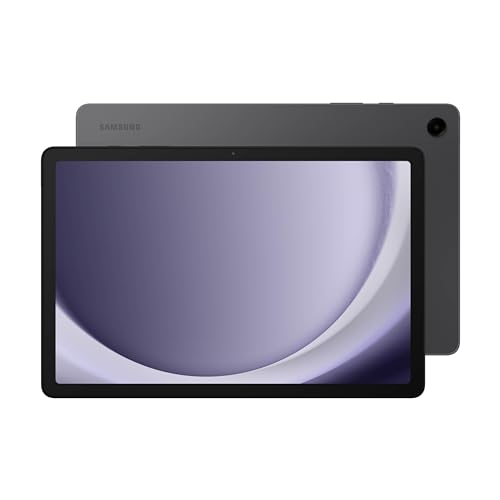 1. Samsung Galaxy Tab A9+ 11-Inch 128GB Android Tablet | Check price on Amazon | |
 2. Lenovo Tab M11 11-Inch Android Tablet with Pen and Folio Case | Check price on Amazon | |
| 3. Samsung Galaxy Tab S6 Lite (2024) 10.4-Inch Android Tablet with S Pen | Check price on Amazon |
Key takeaways
- Looking for the best and cheapest Android tablets? We compare three affordable Android tablets on screen, battery, storage and value to help you choose.
Finding the best and cheapest Android tablets is not about buying the lowest-cost device you can find. It is about finding the tablet that gives you the most useful screen, battery life, storage and software support for the money you spend. A tablet that is cheap but slow, dim or abandoned by updates is not a bargain. It becomes a frustration within months, and replacing it costs more than buying a sensible model in the first place.
This guide focuses on that balance. We compared affordable Android tablets that are still widely sold, run a modern version of Android, and handle the everyday jobs most people actually buy a tablet for: streaming video, browsing, reading, video calls, light school or office work, and casual games. We narrowed the field to three picks: the best all-rounder for families and media, the best value pick that bundles useful accessories, and the best choice if you want a pen for notes and drawing without paying a premium for it.
All three are genuine Android tablets, not tablets running a different operating system with an Android-style skin. That means full access to the Google Play Store, Google apps, and the wide range of Android apps for reading, streaming, productivity and learning. If you have an Android phone, your apps, accounts and purchases carry over easily, and setup takes minutes.
How to Choose a Cheap Android Tablet
A low sticker cost means little if the tablet cannot keep up with what you ask it to do. Use the checklist below to judge any affordable Android tablet, including the three picks in this guide.
Screen size and quality
Screen size is the first decision, because it shapes everything else. An 8-inch tablet is light and easy to hold one-handed, which suits reading and travel, but the keyboard feels cramped and split-screen work is tight. A 10- to 11-inch tablet is the sweet spot for most buyers: large enough for comfortable video, web browsing and documents, yet still light enough to carry around the house or slip into a bag. All three picks here sit in the 10- to 11-inch range, which is where the best value currently sits.
Resolution matters as much as size. Look for at least full HD resolution, which is 1920 by 1200 pixels on most tablets in this class. That is sharp enough for streaming and reading without visible pixelation. A higher refresh rate, such as 90 Hz, makes scrolling smoother, but it is a bonus rather than a necessity at this level.
Processor and memory
The processor and memory decide whether a tablet feels smooth or sluggish. Cheap tablets often cut costs here first, and it shows when you switch between apps, open a heavy web page, or load a game. For everyday use in 2026, look for an octa-core processor and at least 4 GB of memory. That combination handles streaming, browsing with several tabs, video calls and casual games without constant stuttering.
Storage is equally important. 64 GB is workable if you mainly stream content and use cloud storage, but it fills up fast once you download apps, offline video, photos and games. 128 GB gives you far more breathing room, and it is worth choosing when the difference in cost is modest. A microSD card slot is a valuable extra on a budget tablet, because it lets you add storage cheaply later for media and files.
Battery life
Battery life is one of the main reasons to buy a tablet instead of using a phone for video. Look for a battery around 7,000 mAh or larger in an 11-inch tablet, and a manufacturer claim of around 10 hours or more of video playback or mixed use. Real-world results vary with screen brightness and what you are doing, but a tablet in this range should comfortably last through a long flight, a full day of classes, or several evenings of streaming without hunting for a charger every few hours.
Software and updates
Software support is the hidden cost of a very cheap tablet. Android tablets from established brands such as Samsung and Lenovo generally receive security updates and at least one or two major Android version upgrades, which keeps apps compatible and the device secure for longer. Lesser-known brands may ship an older Android version and never update it, which means new apps may stop working sooner and security fixes may never arrive.
Check which Android version the tablet ships with and whether the maker has a stated update policy. Also check that it has the Google Play Store. Some very cheap tablets sold online run Android without Google services, which limits the apps you can install and complicates setup. Every tablet in this guide ships with Google Play and Google apps.
What to avoid
Avoid tablets with less than 3 GB of memory, under 32 GB of storage, a screen below full HD resolution, or an Android version more than two generations old. Avoid no-name tablets that do not list a clear processor model or a recognisable brand, and avoid refurbished listings when you want a warranty and a fresh battery. A renewed tablet can be good value, but only if the listing is explicit about its condition and return policy, and the saving is substantial.
Top Picks
We chose three Android tablets that are genuinely affordable, widely available, and strong in different areas.
1. Samsung Galaxy Tab A9+ 11-Inch 128GB Android Tablet
The Samsung Galaxy Tab A9+ is the best all-rounder among the best and cheapest Android tablets, and it is the pick we would recommend first to most buyers. It pairs an 11-inch display with quad speakers, a capable processor, and Samsung’s polished One UI software, which is one of the best versions of Android on any tablet at this level.
The 11-inch display has a resolution of 1920 by 1200 pixels and a refresh rate of up to 90 Hz, so video looks sharp and scrolling feels smooth. The screen is large enough for split-screen multitasking, and for comfortable reading and document work. Four speakers with Dolby Atmos give it noticeably fuller sound than the dual-speaker tablets common at this level, so you can watch a film or a lecture without headphones and still hear dialogue clearly.
Under the hood, the Tab A9+ runs on a Snapdragon processor with 4 GB of memory in the base configuration covered here, with 128 GB of storage and a microSD slot for expansion. That is enough for streaming, browsing, video calls, schoolwork and casual games. It will not match a flagship tablet for heavy gaming or video editing, and it is not meant to, but for everyday use it stays responsive and avoids the lag that makes cheaper tablets feel old within a year.
Battery life is rated for long video playback sessions, and the 7,040 mAh battery comfortably covers a day of mixed use. Samsung’s software adds useful features such as multi-window support, Samsung Kids for a safe profile for children, and Quick Share for moving files between Samsung devices. The tablet also benefits from Samsung’s longer update support compared with most budget rivals, which helps it stay secure and compatible for longer.
Samsung Galaxy Tab A9+ 11-Inch 128GB Android Tablet
2. Lenovo Tab M11 11-Inch Android Tablet with Pen and Folio Case
The Lenovo Tab M11 is the best value bundle among the best and cheapest Android tablets, because it includes accessories that other tablets sell separately: a Lenovo Tab Pen and a folio case. If you add the cost of a decent stylus and a case to a rival tablet, the M11 often works out as the cheaper overall package, and it arrives ready to use for notes, drawing and reading on day one.
The M11 has an 11-inch display with a resolution of 1920 by 1200 pixels and a refresh rate of up to 90 Hz, matching the Tab A9+ on paper. It is powered by a MediaTek Helio G88 octa-core processor with 4 GB of memory and 128 GB of storage in the configuration covered here, plus a microSD slot for expansion. Four speakers with Dolby Atmos provide clear sound for video and music, and the 7,040 mAh battery is rated for around 10 hours of use.
Lenovo ships the M11 with Android 13 and Google Play, and the tablet supports split-screen multitasking and a reading mode that softens the display for long sessions. The design is slim and light for an 11-inch tablet, and the Luna Grey finish looks understated and professional. Cameras are adequate for video calls and document scanning, with an 8 megapixel camera on both the front and the rear in the listed configuration.
Choose the Tab M11 if you want a pen and a case included, if you take handwritten notes, or if you want the most complete package for the money. Its processor is a step behind Samsung’s in heavy multitasking, and its software support is generally shorter than Samsung’s, but for its target use — study, reading, media and light work — it delivers excellent value.
Lenovo Tab M11 11-Inch Android Tablet with Pen and Folio Case
3. Samsung Galaxy Tab S6 Lite (2024) 10.4-Inch Android Tablet with S Pen
The Samsung Galaxy Tab S6 Lite (2024) is the best cheap Android tablet for note-taking, and it is the pick to choose if a pen matters more to you than the largest screen. It includes Samsung’s S Pen in the box, which is a more refined stylus than the pens bundled with most budget tablets, and it pairs that pen with a slim metal design, a sharp display, and Samsung’s note-taking software.
The 10.4-inch display has a resolution of 2000 by 1200 pixels, which is slightly sharper than the other two picks, and it works well for reading, video and documents. The tablet is powered by an Exynos processor with 4 GB of memory and 64 GB of storage in the configuration covered here, with a microSD slot that accepts cards up to 1 TB, so storage can grow cheaply later. Battery life is rated for up to 14 hours of video playback in Samsung’s testing, which is the longest claim of the three picks and a genuine advantage for travel and long study days.
The S Pen is the star here. It attaches magnetically to the tablet, needs no charging, and works with Samsung Notes for handwriting, highlighting, annotating PDFs, and sketching. Samsung Notes can convert handwriting to text and record audio alongside your notes, which is useful for lectures. The tablet also supports Samsung DeX, which gives you a desktop-style interface when you connect a keyboard.
Dual speakers tuned by AKG provide clear sound, though they are not as full as the quad-speaker setups on the other two picks. The metal body feels more premium than the plastic bodies common at this level, and the tablet is light enough to hold for long reading sessions.
Choose the Tab S6 Lite (2024) if you take notes by hand, draw, study, or want the longest battery life in this guide. Its trade-offs are the smaller 64 GB of built-in storage, which means you should plan on a microSD card if you download a lot of video, and a processor that is fine for notes, media and browsing but not built for demanding games. For its intended audience, those are acceptable compromises.
Samsung Galaxy Tab S6 Lite (2024) 10.4-Inch Android Tablet with S Pen
Comparison Table
| Tablet | Screen | Memory and Storage | Battery | Pen Included | Best For |
|---|---|---|---|---|---|
| Samsung Galaxy Tab A9+ | 11-inch, 1920 by 1200, up to 90 Hz | 4 GB memory, 128 GB storage, microSD slot | 7,040 mAh, long video playback | No | Best all-rounder for families and media |
| Lenovo Tab M11 | 11-inch, 1920 by 1200, up to 90 Hz | 4 GB memory, 128 GB storage, microSD slot | 7,040 mAh, around 10 hours | Yes, Tab Pen plus folio case | Best bundled value for students |
| Samsung Galaxy Tab S6 Lite (2024) | 10.4-inch, 2000 by 1200 | 4 GB memory, 64 GB storage, microSD slot up to 1 TB | Up to 14 hours video playback | Yes, S Pen | Best for note-taking and long battery life |
Which Cheap Android Tablet Should You Buy?
If you want one answer, buy the Samsung Galaxy Tab A9+. It is the most balanced tablet here: a large, smooth screen, four speakers, 128 GB of storage, and software support you can rely on. It suits families, casual viewers, and students who do not need a pen, and it is the least likely to disappoint.
If you want a pen and a case without paying extra for them, buy the Lenovo Tab M11. The bundled accessories, the 11-inch screen, and the 128 GB of storage make it the best complete package in this guide, and it is especially well suited to students and note-takers on a tight budget.
If handwriting, drawing, or very long battery life is your priority, buy the Samsung Galaxy Tab S6 Lite (2024). Its S Pen and Samsung Notes software are a step above the competition at this level, and its slim metal design feels like a more expensive tablet. Just plan on adding a microSD card if you store a lot of media offline.
Whichever you choose, buy the 128 GB model when you can, or add a microSD card early. Storage is the most common reason budget tablet owners run into trouble, and it is far cheaper to solve at the start than after the tablet is full. Also check the listing carefully before you order: confirm the storage size, the colour, whether the pen and case are included, and that the listing is for the Wi-Fi model unless you specifically need cellular. A small check now avoids a return later.
Finally, remember that a cheap Android tablet is a companion device, not a laptop replacement. It excels at media, reading, browsing, calls and light work. Choose the pick that matches how you will actually use it, and any of the three tablets in this guide will serve you well.
Frequently Asked Questions
What is the best and cheapest Android tablet overall?
The Samsung Galaxy Tab A9+ is the best overall pick for most buyers. It combines an 11-inch full HD display with a smooth 90 Hz refresh rate, quad speakers, 128 GB of storage, and long battery life, with Samsung’s reliable software and update support.
Are cheap Android tablets good enough for streaming and browsing?
Yes, if you choose a model with at least 4 GB of memory, a full HD display, and a modern processor, as all three picks in this guide have. Cheap tablets struggle when they have too little memory or an old processor, which causes stuttering and slow app loading.
How much storage do I need on a budget Android tablet?
For most people, 128 GB is the right amount. It leaves room for apps, offline video, photos and games without constant storage warnings. 64 GB can work if you mainly stream content and add a microSD card for media, but you will need to manage storage more carefully.
Is the Lenovo Tab M11 or the Samsung Galaxy Tab A9+ better for students?
Both are good for students, and the choice depends on whether you want a pen. The Lenovo Tab M11 includes a pen and a folio case, so it is the better value if you take handwritten notes or annotate documents. The Samsung Galaxy Tab A9+ has a slightly stronger processor and longer software support, so it is the better choice if you do not need a pen and want the most dependable all-rounder.
Do cheap Android tablets get software updates?
It depends on the brand. Samsung and Lenovo provide security updates and major Android upgrades for their tablets, though support is shorter than on flagship devices. Lesser-known brands often provide few or no updates, which is one reason to stick with an established maker for a budget tablet.
Conclusion
The best and cheapest Android tablets are not the ones with the lowest cost, but the ones that give you a sharp screen, smooth performance, enough storage, and software support that lasts. The Samsung Galaxy Tab A9+ is the best all-rounder, the Lenovo Tab M11 is the best bundled value with its pen and case, and the Samsung Galaxy Tab S6 Lite (2024) is the best choice for note-taking and long battery life. Choose the one that matches your priorities, check the storage and included accessories on the listing, and you will have a tablet that is genuinely good value rather than merely cheap.
Disclosure: As an Amazon Associate, we earn from qualifying purchases.
More from Amazon
Programs that pair well with the guide above. Offers and eligibility are set by Amazon and may change.
Free shipping on eligible items, Prime Video and more. Eligible new members can start with a free trial.
Start a Prime free trialAd-free music streaming. Eligible new subscribers can start with a free trial.
Try Music Unlimited freeA Prime membership for ages 18-24 with a trial period. Eligibility is set by Amazon.
See Prime for Young AdultsAudiobooks and podcasts to listen to on the go. Eligible new members can start with a free trial.
Try Audible freeAs an Amazon Associate we earn from qualifying purchases.










Write Your Review
No reviews yet. Be the first to share your experience!