
Our Short List of 3

- Best for: Streamers who want smooth high-refresh gameplay with a strong graphics card.
- Processor: 13th Gen Intel Core i7-13650HX
- Graphics: NVIDIA GeForce RTX 4060 Laptop GPU at 140W Max TGP
- Memory: 16GB DDR5-4800MHz
- Storage: 1TB PCIe Gen4 SSD

- Best for: Streamers who keep many programs open during a broadcast and want memory headroom.
- Processor: 13th Gen Intel Core i7-13650HX, 14 cores
- Graphics: NVIDIA GeForce RTX 4060 8GB GDDR6, TGP 140W
- Memory: 32GB DDR5 4800MHz RAM, two 16GB modules
- Storage: 1TB PCIe NVMe SSD
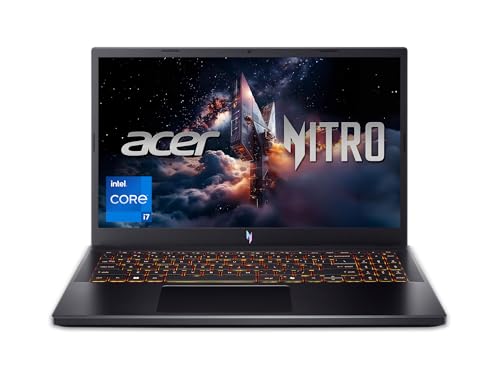
- Best for: New streamers who want a capable first laptop for gaming and broadcasting.
- Processor: Intel Core i7-13620H
- Graphics: NVIDIA GeForce RTX 4050 Laptop GPU
- Memory: 16GB DDR5
- Storage: 1TB Gen 4 SSD
All 3 Picks at a Glance
| Product | Specs | Action |
|---|---|---|
| ASUS ROG Strix G16 (G614JV-AS74) |
| Check price on Amazon |
| Lenovo Legion 5i |
| Check price on Amazon |
| Acer Nitro V (ANV15-52-76NK) |
| Check price on Amazon |
Key takeaways
- Compare the best laptops for Twitch streaming by CPU, GPU, memory and display, and pick a gaming laptop that runs your game and your broadcast together.
Streaming on Twitch asks a laptop to do two demanding jobs at the same time. It has to run your game smoothly while also encoding video, handling chat, overlays and alerts, and keeping your microphone and camera feeds in sync. A laptop that only just copes with a game on its own will stutter once the broadcast is live, so the processor, graphics card and memory matter far more here than they do for gaming alone. Cooling matters too, because a stream can run for hours without a break.
This guide is for new streamers setting up a first broadcast, for gamers who want to stream from a single machine instead of a two-computer setup, and for creators who already stream and need a laptop that keeps up with a busier scene. Each laptop below was chosen from the specifications stated on its Amazon page, so you can compare processor, graphics, memory, storage and display side by side before you decide.
Quick Picks
As an Amazon Associate we earn from qualifying purchases
| Product | Best for | Key spec from title |
|---|---|---|
| ASUS ROG Strix G16 (G614JV-AS74) | Smooth high-refresh play while streaming | NVIDIA GeForce RTX 4060 at 140W Max TGP |
| Lenovo Legion 5i | Heavy multitasking during a broadcast | 32GB DDR5 RAM |
| Acer Nitro V (ANV15-52-76NK) | A first streaming setup | NVIDIA GeForce RTX 4050 with a 165Hz display |
How to Choose
Processor cores for gaming and encoding at once
A stream splits the processor between the game and the broadcast, so core count deserves your attention first. The encoding software, the game, the browser with your chat and dashboard, and any music or alert tools all want processor time at once. A modern multi-core processor keeps those jobs from crowding each other, which means steadier frame rates in the game and fewer dropped frames in the stream. Look for a recent high-performance mobile processor with at least six cores, and treat eight or more as a genuine advantage for demanding games. A processor built for thin and light office work will struggle here even if the rest of the laptop looks capable.
Graphics card and hardware encoding
The graphics card does more than draw the game. Modern NVIDIA graphics cards include a dedicated hardware encoder that takes over video encoding, which frees the processor for the game and everything else running beside the stream. That is why an RTX graphics card is a useful baseline for a streaming laptop: the encoder handles the broadcast while the graphics chip keeps the game running. Check the graphics memory too, since a card with more memory copes better with higher game settings and the extra load of a live scene. A higher graphics power figure also helps the card hold its speed during a long session instead of slowing down as heat builds.
Memory for the game, the stream and the extras
Memory is where many streaming setups fall short, because every open program draws from the same pool. The game, the streaming software, the browser, chat tools, overlays and a music player can easily fill a small amount of memory and leave nothing in reserve. Sixteen gigabytes is a sensible minimum for a laptop that will game and stream at the same time, and it covers most games with a browser and streaming software open. Thirty-two gigabytes gives you real headroom for heavier games, extra browser tabs, editing tools and background programs, and it is worth choosing if you stream regularly. Check whether the memory can be upgraded later, since that keeps the laptop useful as your setup grows.
Display, ports, cooling and camera
The display shapes what you see while you play, and a high refresh rate panel makes fast games feel smoother. A 144Hz or 165Hz panel is a good match for the graphics cards in this guide, and a clear full high-definition or sharper panel keeps text readable. Ports matter just as much: you need room for a microphone, a camera, a headset and possibly a capture device, plus a wired network port. Cooling decides whether the laptop holds its speed through a three-hour stream, so look for a design with dual fans and proper vents. Finally, remember that most built-in laptop cameras are basic, so plan for an external camera if face cam quality matters to your channel.
The 3 Best Options
ASUS ROG Strix G16 (G614JV-AS74)
- Best for: Streamers who want smooth high-refresh gameplay with a strong graphics card.
- Processor: 13th Gen Intel Core i7-13650HX
- Graphics: NVIDIA GeForce RTX 4060 Laptop GPU at 140W Max TGP
- Memory: 16GB DDR5-4800MHz
- Storage: 1TB PCIe Gen4 SSD
Streamers who want smooth high-refresh gameplay with a strong graphics card.
The listing does not state a built-in camera specification, so plan for an external camera if face cam quality matters.
The ROG Strix G16 is the strongest all-round streaming laptop in this set, pairing a fast processor with a full-power graphics card and a display built for quick games. Its hardware encoder takes the broadcast load off the processor, while the high refresh rate panel keeps motion smooth when the action speeds up. The large solid-state drive leaves room for several installed games plus recorded clips and stream assets, and the fast wireless connection suits streamers who cannot always sit beside a router. This is the pick for a streamer who wants the game to feel responsive and the broadcast to stay steady through long sessions.
Lenovo Legion 5i
- Best for: Streamers who keep many programs open during a broadcast and want memory headroom.
- Processor: 13th Gen Intel Core i7-13650HX, 14 cores
- Graphics: NVIDIA GeForce RTX 4060 8GB GDDR6, TGP 140W
- Memory: 32GB DDR5 4800MHz RAM, two 16GB modules
- Storage: 1TB PCIe NVMe SSD
Streamers who keep many programs open during a broadcast and want memory headroom.
This is a seller-configured listing rather than a factory configuration, so read its specification lines carefully and confirm the exact setup with the seller before ordering.
The Legion 5i stands out in this set for memory, with twice the RAM of the other two laptops, and that headroom is exactly what a busy stream needs. With the game, streaming software, chat, overlays and a browser all open at once, the extra memory keeps everything moving without forcing the system to swap data to the drive. Its sharper QHD display gives you more room for stream management windows beside the game, and the graphics card carries the same dedicated hardware encoder found in the other RTX laptops here. This is the pick for a streamer who runs a crowded setup with many tools open during every broadcast.
Acer Nitro V (ANV15-52-76NK)
- Best for: New streamers who want a capable first laptop for gaming and broadcasting.
- Processor: Intel Core i7-13620H
- Graphics: NVIDIA GeForce RTX 4050 Laptop GPU
- Memory: 16GB DDR5
- Storage: 1TB Gen 4 SSD
New streamers who want a capable first laptop for gaming and broadcasting.
The RTX 4050 is a step below the RTX 4060 in the other two picks, so expect to lower game settings sooner in demanding titles.
The Acer Nitro V is the most approachable first choice in this set, with a capable processor and graphics card, enough memory for a game plus streaming software, and a fast display at a friendlier tier than the other two picks. Its hardware encoder handles the broadcast while the graphics card runs the game, and the large solid-state drive leaves room for a small library of games and recorded clips. The backlit keyboard helps during late-night sessions, and the wireless connection suits a bedroom or shared-room setup. This is the pick for a new streamer who wants a solid first machine without overcommitting.
Which One Fits Your Situation
Setting up your first channel
If you are setting up a first Twitch channel, the Acer Nitro V handles a game and a broadcast without fuss. It covers the essentials: a capable processor, a graphics card with a dedicated encoder, enough memory, and a fast display. You can learn your routine, build an audience and find out which games your viewers enjoy before deciding on a stronger machine. Keep your scene simple at first and add overlays and tools gradually.
Running a crowded stream setup
If your broadcasts involve chat bots, alerts, music, a browser dashboard and editing tools all running at once, the Lenovo Legion 5i fits best. Its 32GB of memory is the largest in this set and gives every program room to work. The sharper display also helps when you keep stream management windows open beside the game. Confirm the exact seller configuration before ordering, since this listing is assembled by the seller rather than shipped in a factory configuration.
Chasing the smoothest gameplay on stream
If smooth, responsive gameplay is your top priority, the ASUS ROG Strix G16 is the pick. Its full-power graphics card and 165Hz display keep motion fluid, and the hardware encoder carries the broadcast so the processor can focus on the game. The fast wireless connection also helps when a wired connection is not practical. This is the laptop to choose when you want the game itself to feel as good as possible while the stream runs.
Common Mistakes
- Choosing a laptop with only 8GB of memory, which leaves too little room for the game, streaming software and browser running together.
- Picking a graphics card without a dedicated hardware encoder, which forces the processor to handle both the game and the broadcast.
- Streaming over a weak wireless connection when a wired connection is available, since an unstable connection causes dropped frames and buffering for viewers.
- Ignoring cooling and then wondering why frame rates fall during the second hour of a long stream.
- Relying on a basic built-in camera and microphone instead of budgeting for an external camera and a proper microphone.
Frequently Asked Questions
How much RAM do I need to stream on Twitch from a laptop?
Sixteen gigabytes is a sensible minimum for streaming from a laptop, since it covers the game, streaming software, a browser with chat and overlays, and a few background tools. Thirty-two gigabytes is better for demanding games or many open programs, because it leaves headroom without forcing the system to slow down. Avoid 8GB for a streaming laptop, since the game alone can use most of it.
Can I stream on Twitch with an RTX 4050 laptop?
Yes, an RTX 4050 laptop can stream on Twitch, and its dedicated hardware encoder handles the broadcast while the graphics card runs the game. It suits popular competitive games and lighter titles at sensible settings, and it works well for a first streaming setup. For demanding games at higher settings, an RTX 4060 laptop gives you more headroom and keeps frame rates steadier while the stream runs.
Do I need a separate webcam and microphone for Twitch?
A separate webcam and microphone are not strictly required, but they make a clear difference to how a stream looks and sounds. Most built-in laptop cameras produce a soft image in typical room lighting, and built-in microphones pick up keyboard noise. An external camera gives a sharper picture, and a dedicated microphone keeps your voice clear. Choose the microphone first if you can only add one item.
Should I stream over Wi-Fi or a wired connection?
A wired connection is the steadier choice, because it avoids the interference and signal changes that can interrupt a wireless connection. If you can run a cable to your router, use it for every broadcast. When only Wi-Fi is available, sit close to the router, use the 5 GHz band, and close other programs that use the connection. A short connection check before going live catches problems early.
More from Amazon
Programs that pair well with the guide above. Offers and eligibility are set by Amazon and may change.
Free shipping on eligible items, Prime Video and more. Eligible new members can start with a free trial.
Start a Prime free trialAd-free music streaming. Eligible new subscribers can start with a free trial.
Try Music Unlimited freeA Prime membership for ages 18-24 with a trial period. Eligibility is set by Amazon.
See Prime for Young AdultsAudiobooks and podcasts to listen to on the go. Eligible new members can start with a free trial.
Try Audible freeAs an Amazon Associate we earn from qualifying purchases.
Write Your Review
No reviews yet. Be the first to share your experience!