

Key takeaways
- Pro: strong value for a cabinet of this power rating.
- Pro: adjustable tweeter helps fit different rooms and basses.
- Pro: light enough to carry with one hand and a bag in the other.
- Con: the voicing is modern and a little scooped compared with classic cabinets.
- Con: 4-ohm rating means you must match the amp head’s minimum impedance.
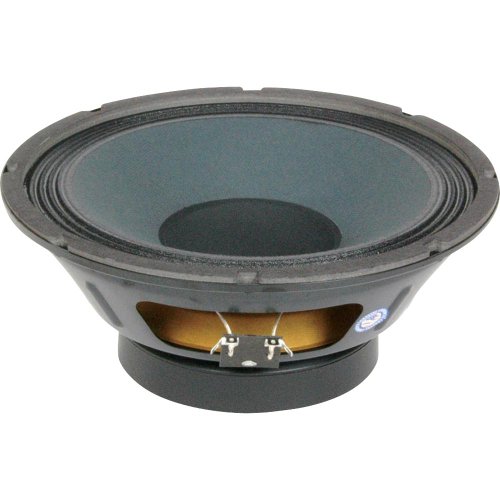
For most bassists, a 2×10 cabinet rated 8 ohms and 300 to 500 watts is the best all-round bass speaker: loud enough for rehearsal and small gigs, light enough to carry alone, and tight enough to sound clear. The Fender Rumble 210, Ampeg SVT-210AV and Darkglass 2×10 or 2×12 cabinets are the models that come up most often, covering budget, classic tone and premium modern sound. Players who need more low end for loud stages should step up to a 4×10 or 1×15 design.
This guide is based on manufacturers’ published specifications and published reviews, with no personal bench claims. Cabinet specs such as sensitivity, impedance and power rating matter more than names, so the second half explains how to read them.
Our top picks



As an Amazon Associate we earn from qualifying purchases at no extra cost to you.
Bass cabinet speaker sizes at a glance
| Configuration | Typical weight | Character | Best for |
|---|---|---|---|
| 1×10 or 1×12 | 20-35 lb | Focused, limited low end | Practice, small rehearsal |
| 2×10 | 35-55 lb | Punchy, clear mids, balanced | Most players, small to mid gigs |
| 1×15 | 40-60 lb | Deep, round low end, slower attack | Blues, funk, old-school tone |
| 2×12 | 45-65 lb | Full range, strong lows and mids | Modern rock, pop, worship |
| 4×10 | 65-100 lb | Loud, wide coverage, classic rock tone | Loud stages, touring |
Weights are typical ranges and vary by model and cabinet material; check the published weight before buying.
The picks
Fender Rumble 210 Cabinet: best budget 2×10
Spec line: two 10-inch speakers plus a high-frequency horn with an adjustable tweeter level, rated about 700 W program power at 4 ohms per Fender’s published numbers, lightweight plywood cabinet. Fender also makes 115 and 410 versions of the Rumble cabinet.
Best for: beginners, rehearsal rooms and players who carry their own gear.
Skip if: you need a vintage tone or deep low end on large stages.
- Pro: strong value for a cabinet of this power rating.
- Pro: adjustable tweeter helps fit different rooms and basses.
- Pro: light enough to carry with one hand and a bag in the other.
- Con: the voicing is modern and a little scooped compared with classic cabinets.
- Con: 4-ohm rating means you must match the amp head’s minimum impedance.
Ampeg SVT-210AV: best classic tone in a compact 2×10
Spec line: two 10-inch speakers, a horn with a level control, 200 W RMS at 8 ohms, roughly 26 lb, ported cabinet.
Best for: players who want the familiar Ampeg sound at small-gig and studio volumes.
Skip if: you play loud rock or need to compete with a drummer in a big room; 200 W limits headroom.
- Pro: classic mid-forward growl that sits well in a mix.
- Pro: very light for the sound.
- Pro: easy to match with most heads at 8 ohms.
- Con: lower power handling than newer designs.
- Con: less deep low end than the larger SVT cabinets.
Ampeg SVT-410HLF and PN-410HLF class: best for loud stages
Spec line: four 10-inch speakers with a horn, 500 to 800 W class at 8 ohms depending on the series, sturdy plywood cabinet, wheels and recessed handles.
Best for: loud rock, metal, and touring players who need a stage-filling sound.
Skip if: you move gear alone, or play only small rooms.
- Pro: huge output and a recognized sound on stage.
- Pro: four speakers move more air and handle more power.
- Pro: well suited to a high-powered head.
- Con: heavy, often 70 lb or more.
- Con: more than most players need in everyday rehearsal.
Darkglass DG212NE and DG210NE: best premium modern cabinet
Spec line: neodymium speakers, bi-amp ready design, about 500 W per side for the 2×12 and 500 W at 8 ohms for the 2×10, with a weight of roughly 15 kg for the 2×10 per published sheets.
Best for: professional players who want a clean, tight and precise sound with modern bass tones, including distortion.
Skip if: you prefer a vintage tone or have a limited budget.
- Pro: clear low-mids and tight response suit fast playing.
- Pro: weight is low for the output.
- Pro: bi-amp option for high-end flexibility.
- Con: premium price tier.
- Con: the clean voicing may sound too neutral for players who want warmth.
Aguilar SL 112: best lightweight 1×12
Spec line: one 12-inch neodymium speaker, high-frequency tweeter, roughly 25 lb, rated about 250 W at 8 ohms.
Best for: upright and electric players who play small clubs, jazz gigs and recording sessions and who carry their own gear.
Skip if: you need volume for a loud band.
- Pro: very light and easy to move.
- Pro: warm, focused sound with clear definition.
- Pro: stacks well with a second unit.
- Con: limited low end for loud settings.
- Con: premium price for a single-speaker cabinet.
Markbass Standard series 4×10 and New York 151: best for tight, articulate sound
Spec line: Markbass makes lightweight neodymium cabinets, such as the Standard 104HR 4×10 and the New York 151 1×15, with a tight, fast response and a high-frequency horn.
Best for: players of styles that need clear note definition, such as funk, pop and fusion.
Skip if: you want a warm vintage voice.
- Pro: tight, quick response and good clarity.
- Pro: lighter than traditional cabinets of the same size.
- Pro: good match with the brand’s heads.
- Con: tone can feel clinical to some players.
- Con: price is higher than the budget picks.
Hartke HyDrive HX410 and similar: best for punchy hybrid tone
Spec line: 4×10 cabinets with aluminum cone speakers and a paper cone blend, 400 to 500 W at 8 ohms, typically with a horn.
Best for: players who want a bright, punchy attack for rock, pop and slap styles.
Skip if: you want a dark, round tone.
- Pro: distinct, articulate attack that cuts through a mix.
- Pro: durable.
- Pro: affordable for a 4×10.
- Con: aluminum cones give a recognizable bright character.
- Con: heavy.
Best bass speakers by search need
Best 10 inch bass guitar speakers
Ten-inch drivers are quick and clear, with strong mids and good attack. A 2×10 gives you enough area to move air and is the usual choice for gigs. A 4×10 is the next step for loud stages. They are not ideal for the deepest low B notes without a larger speaker or a second cab.
Best 15 inch bass speakers
Fifteen-inch drivers deliver rounder, deeper lows and a warmer feel. They respond slower than 10-inch drivers, which suits blues, soul, reggae and classic rock. The Fender Rumble 115 is a good starter; premium options include the Markbass New York 151 and various Ampeg 1×15 cabinets.
Best bass amp speakers
If your amp is a combo, the speakers inside are part of the design. To get more volume or a different sound, add an extension cabinet through the speaker output, but first check the combined impedance. Two 8-ohm cabinets on one head produce 4 ohms, and some heads are not rated for that.
Best speakers for bass guitar without an amp
If you use a direct box or audio interface, a full-range powered speaker or monitor is the better route. Bass guitar at the frequency range of low E at about 41 Hz needs a speaker that reaches at least 45 Hz, so choose a speaker with an 8-inch or larger woofer for practice at home.
How to read cabinet specs
Impedance
Cabinets are rated 4, 8 or 16 ohms. Your amp head has a minimum impedance, usually 4 ohms. A single 8-ohm cabinet is safe for most heads, while two 8-ohm cabinets together present 4 ohms. Connecting a load below the head’s minimum can overheat the amplifier.
Power handling
Choose a cabinet that handles at least the head’s power at the impedance you use. A 500 W head at 4 ohms needs a cabinet rated for 500 W or more at 4 ohms. A cabinet with higher power handling than the head is safe; one with lower is risky.
Sensitivity
Sensitivity in dB at 1 W and 1 m tells you how loud a cabinet is for a given power. Every 3 dB more sensitivity equals doubling amplifier power. A cabinet rated at 98 dB will sound clearly louder than one rated at 92 dB from the same head, which is why a 4×10 usually sounds louder than a 2×10.
Frequency response
A bass guitar’s open low E is about 41 Hz and a five-string low B about 31 Hz. Few cabinets reach the low B at full level, so a cabinet that holds up to 45 Hz is adequate for four-string players. Five-string players should check the response below 40 Hz and consider a larger or more extended design.
Tweeters and horns
A horn adds clarity and string noise, which suits slap and pick styles. Many cabinets have a level control or a switch. Turn the horn down for warm, rounded tones or for jazz and dub.
Worked example
You own a 500 W bass head with a 4-ohm minimum and play pop gigs in clubs. Buy one 2×10 or 2×12 cabinet at 8 ohms and 500 W, which sees a 500 W load at 8 ohms. When you want more volume, add an identical cabinet, which brings the load to 4 ohms; the head is rated for it. The second cabinet adds 3 dB from the extra power and 3 dB from the extra drivers, for a total of about 6 dB more apparent loudness.
Which cabinet fits which style and stage
| Playing situation | Suggested cabinet | Head power to pair | Why |
|---|---|---|---|
| Bedroom and rehearsal with a drummer | 1×10 to 2×10, 8 ohms | 150-300 W | Enough output, easy to carry |
| Club gigs with PA support | 2×10 or 1×12, 8 ohms | 300-500 W | The PA fills the room, the cab gives you stage monitoring |
| Loud rock band, no PA bass | 4×10 or 2×12 plus 1×15 | 500-800 W | Needs sensitivity and surface area |
| Jazz and upright bass | 1×12 or 1×10 with a clear horn | 200-300 W | Natural tone, low weight |
| Worship band, in-ear monitors | 2×10 lightweight, or DI only | 200-400 W | Low stage volume, tidy sound |
Buying a cabinet with a head or a combo
A combo amp puts the head and speakers in one box and is simple to carry. A separate head and cabinet costs more and takes two trips but is far easier to upgrade, and a failed part can be replaced alone. If you already own a head, check its output jack type (a locking Speakon or a quarter-inch jack) and buy a cabinet with a matching input. If you plan to run two cabinets, look for a cabinet with a second parallel output so you can daisy-chain without an adapter.
Closed-back and ported cabinets sound different. Ported cabinets extend bass and move more air for the same driver, but the sound is looser if pushed hard. Sealed cabinets tend to be tighter and handle high power with less distortion at the low end. For most bassists, a ported design gives a satisfying low end at moderate volume.
Finally, check the shipping and handling reality. A large cabinet is a heavy awkward box, so a model with sturdy handles on two sides and optional casters saves your back and the corners of the cabinet.
Cabinet care and ownership
- Corners, casters and handles wear first; check them every few months.
- Do not use a speaker output cable for an instrument cable, or vice versa. Speaker cables are thicker and not shielded.
- Keep cabinets dry; plywood swells with moisture.
- Do not run the amp into clipping for long periods; that is the most common cause of blown speakers.
- Check the ports and grille for rattles, which often come from loose screws.
Frequently Asked Questions
Is a 2×10 or a 1×15 better for bass?
A 2×10 is clearer and punchier, while a 1×15 is rounder and deeper but slower. Most players prefer a 2×10 for versatility, and 1×15 players tend to play blues, soul and similar styles.
Can I use a guitar speaker for bass?
No. Bass produces much lower frequencies and more power than guitar speakers can handle. Using a guitar cabinet risks damaging the speakers.
How many watts do I need for gigs?
For small clubs with a drummer, 300 to 500 W with an efficient 2×10 or 4×10 is usually enough, particularly when the PA carries the bass. For loud stages without PA support, use more power and a larger cabinet.
What does 4 ohms vs 8 ohms mean for a cabinet?
Impedance is the electrical load the cabinet presents to the amp. Lower impedance draws more power from the amp. Always match the cabinet to the head’s rated impedance range.
Do I need a bi-amp cabinet?
No. Bi-amping is an option on premium cabinets such as the Darkglass, in which separate amplifier channels power the woofers and tweeter. It gives control but most players are well served by a standard single-input design.
Are neodymium cabinets worth it?
If you carry your own gear, yes. Neodymium magnets are lighter than ceramic or ferrite magnets of the same strength, which reduces cabinet weight by several pounds with little change in output.
Bottom line
For a first serious cabinet, buy a 2×10 at 8 ohms, such as the Fender Rumble 210 for value or the Ampeg SVT-210AV for classic tone. Choose a 4×10 if you play loud stages, a 1×15 for deep vintage-style tone, and a Darkglass or Aguilar for premium weight savings and clarity. Check impedance and power handling against your amp head before buying, because those two numbers decide whether the cabinet is safe and loud enough for your gigs.
More from Amazon
Programs that pair well with the guide above. Offers and eligibility are set by Amazon and may change.
Free shipping on eligible items, Prime Video and more. Eligible new members can start with a free trial.
Start a Prime free trialAd-free music streaming. Eligible new subscribers can start with a free trial.
Try Music Unlimited freeA Prime membership for ages 18-24 with a trial period. Eligibility is set by Amazon.
See Prime for Young AdultsAudiobooks and podcasts to listen to on the go. Eligible new members can start with a free trial.
Try Audible freeAs an Amazon Associate we earn from qualifying purchases.




Write Your Review
No reviews yet. Be the first to share your experience!