
Our Short List of 3

All 4 Picks at a Glance
| Product | Specs | Action |
|---|---|---|
 Nikon COOLPIX P900 Digital Camera (Black) | Check price on Amazon | |
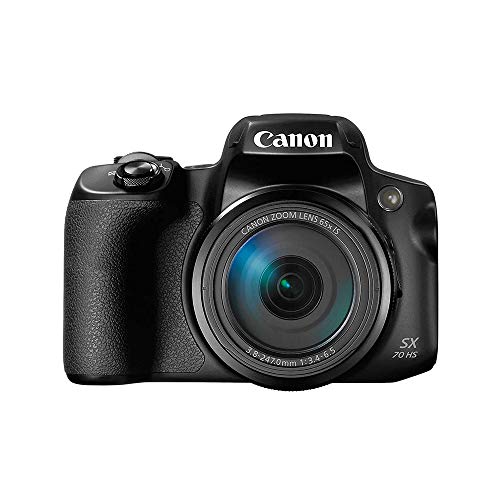 Canon Powershot SX70 HS Digital Camera 21.1 megapixel | Check price on Amazon | |
| Panasonic LUMIX 4K Digital Camera, 18.1 Megapixel Video Camera, 60X Zoom DC VARIO 20-1200mm Lens, F2.8-5.9 Aperture, Power O.I.S. Stabilization, Touch Enabled 3-Inch LCD, Wi-Fi, DC-FZ80K (Black) | Check price on Amazon | |
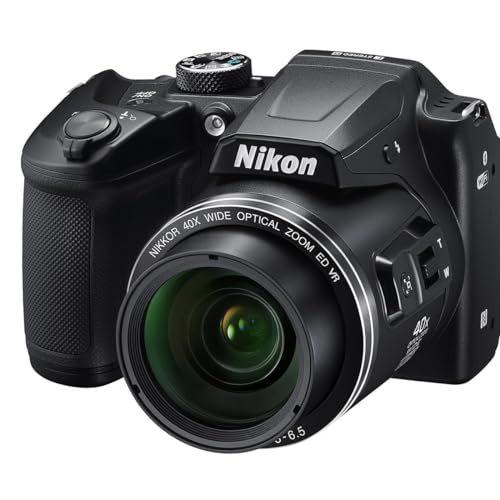 Nikon Coolpix B500 Digital Camera (Black) | Check price on Amazon |
Key takeaways
- Compare the best cameras for bird watching, with zoom reach, autofocus speed, stabilisation, weather sealing and field handling ranked for birders.
Bird watching rewards reach more than almost any other kind of photography. A warbler at the top of a tree or a wader across a mudflat is often too far away to approach, so the camera has to do the walking. The five cameras below are all long-zoom bridge cameras with fixed lenses, which means no lens changes in the field and one body that covers wide landscapes and extreme telephoto. They differ in zoom range, sensor size, autofocus, stabilisation, and weight, and those differences decide which suits a hide, a woodland walk, or a reservoir day.
As an Amazon Associate, we earn from qualifying purchases.
Quick answer
For most birders, the Canon Powershot SX70 HS is the best balance of reach, weight, and speed, with a 65x zoom that covers 21 to 1365mm. The Nikon P1000 wins on pure reach at 3000mm, the Nikon P900 is the lighter long-zoom option, the Panasonic FZ80 is the value pick with 4K video, and the Nikon B500 is the simplest starter for feeder birds.
NIkon COOLPIX P1000 Superzoom Digital Camera | 125x Optical Zoom with Image Stabilization 16 MP 4K Ultra HD Video Wi-Fi Connectivity RAW Format and Rotating LCD Screen (Black)
The longest reach in this guide belongs to the P1000. Its fixed NIKKOR lens covers 24 to 3000mm in 35mm equivalent terms, a 125x optical zoom that frames a distant heron or a raptor on a far pylon without any lens change, and a digital zoom stretches the view further when identification matters more than image quality. A 16-megapixel back-illuminated sensor sits behind the lens, and the camera records 4K video and RAW stills, so video of a calling bird and stills for later identification come from the same body. Dual Detect optical vibration reduction steadies the view at extreme focal lengths, and a dedicated bird-watching scene mode tunes the settings for perched birds. The electronic viewfinder resolves about 2.36 million dots, and the 3.2-inch screen swings out for low-angle shots at a hide or a pond edge. Handling is the trade: the body weighs about 1415 grams, the battery is rated for about 250 shots per charge, and the lens narrows to f/8 at full zoom, so bright daylight is its best light. New stock is scarce since the model has been succeeded by the P1100, so confirm availability carefully before settling on it.
Nikon COOLPIX P900 Digital Camera (Black)
The P900 is the P1000’s smaller sibling, and for many birders it is the more sensible walk-around camera. Its 83x optical zoom covers 24 to 2000mm, which still fills the frame with most birds a birder can reasonably approach, while the body weighs about 899 grams, far less than its bigger sibling. The same 16-megapixel back-illuminated sensor class and Dual Detect vibration reduction carry over, and a 7-frame-per-second burst helps with birds that shift position between branches. The 3-inch screen swings out for awkward angles, and the electronic viewfinder helps in bright sun when a rear screen washes out. Built-in Wi-Fi, NFC, and GPS round out the field kit, and the battery is rated for about 360 shots per charge. The limits are worth knowing: video tops out at Full HD rather than 4K, and stills are JPEG only, with no RAW file to rescue a badly exposed frame later. The lens also narrows to f/6.5 at full zoom, so dawn and dusk shooting needs care. For long walks where weight matters as much as reach, the P900 is the sweet spot of the Nikon superzoom family.
Canon Powershot SX70 HS Digital Camera 21.1 megapixel
The SX70 HS is the most balanced camera in this guide. Its 65x optical zoom runs from 21 to 1365mm, enough for most garden, woodland, and wetland birds, in a body of about 610 grams that is easy to carry all day. A 20.3-megapixel effective sensor pairs with a DIGIC 8 processor for 10-frame-per-second continuous shooting and RAW capture, useful when a bird takes off and only one frame in the burst is sharp. Stabilisation is rated to about five stops, which keeps the long end usable without a tripod in good light, and a Framing Assist control zooms out briefly to find a lost subject, then returns to the working focal length. The electronic viewfinder resolves about 2.36 million dots, the 3-inch screen articulates fully, and 4K video is available alongside a microphone port for recording calls. Wi-Fi and Bluetooth handle transfers and remote release from a phone. There is no hot shoe for an external flash, and the small sensor shows noise earlier than larger-sensor cameras once the light fades.
Panasonic LUMIX 4K Digital Camera, 18.1 Megapixel Video Camera, 60X Zoom DC VARIO 20-1200mm Lens, F2.8-5.9 Aperture, Power O.I.S. Stabilization, Touch Enabled 3-Inch LCD, Wi-Fi, DC-FZ80K (Black)
The FZ80 is the value long-zoom in this group, and its 60x lens reaches 20 to 1200mm, enough to pull a distant duck or a heron into the frame from across a lake. An 18.1-megapixel sensor records 4K video, and the 4K Photo mode lets a birder pull a high-resolution still from a video clip, handy for a bird that only pauses for a second. Power O.I.S. stabilisation steadies the long end, the 3-inch touch screen makes focus-point selection quick, and an electronic viewfinder helps in bright conditions. Wi-Fi transfers files to a phone for identification on the spot. The trade-offs are honest ones: stills are JPEG only, with no RAW support, so exposure needs to be right at the time of shooting, and the contrast-based autofocus can hunt at full zoom on a small bird against a busy background. The lens narrows to f/5.9 at the long end, so low light is not its strength.
Nikon Coolpix B500 Digital Camera (Black)
The B500 is the simplest camera here, and the right starting point for a birder who wants reach without learning a complex menu. Its 40x optical zoom covers 22.5 to 900mm, which brings feeder birds and park waterfowl close without disturbing them, and the 16-megapixel back-illuminated sensor handles daylight well. Controls stay friendly: a large grip, a mode dial, big buttons, and scene modes do most of the work, and built-in Wi-Fi and Bluetooth move photos to a phone for identification. The camera runs on four AA batteries, which can be bought anywhere, so a flat battery on a walk is a solved problem rather than a ruined day. The limits are clear: there is no electronic viewfinder, so framing happens on the 3-inch tilting rear screen, there is no RAW capture, and video tops out at Full HD. Autofocus is slower than the enthusiast models here, so fast flight shots will frustrate. For a beginner, a younger birder, or anyone who wants a cheap, light camera for daylight birds close to home, the B500 does the job.
How to choose a camera for bird watching
Start with reach, because distance is the constant problem. A lens that ends at 1200mm or beyond frames small birds at real field distances, while a shorter lens leaves heavy cropping and soft detail. Next, weigh the sensor: a one-inch sensor stays cleaner at dusk, but the longest-reach cameras use smaller sensors, so decide whether reach or low-light quality matters more. Autofocus comes third: contrast-based systems can hunt on a small bird against branches, so quick, confident focus and a decent burst rate keep more frames than a longer lens with a hesitant motor. Stabilisation matters just as much, since shake grows with focal length; optical stabilisation is what makes a 2000mm shot possible without a tripod. Check the viewfinder too, because a bright electronic finder beats a rear screen in sun, and weigh the body honestly against the distance you walk. None of the five cameras here claims full weather sealing, so a rain cover belongs in the bag whatever you buy.
Who should skip these cameras
Skip this whole class if you already own an interchangeable-lens camera and a telephoto lens, because a mirrorless body with a long prime will out-focus and out-resolve every fixed-lens bridge camera here. Skip them too if most of your birding happens at dawn or in woodland shade, where the small sensors show noise early and the slow long-end apertures struggle. Photographers who sell prints or crop heavily should look at larger-sensor systems instead. Anyone who needs fast, reliable tracking of birds in flight should also look elsewhere: these cameras manage perched and slow-moving birds well, but their autofocus systems are not built for swallows and raptors at speed.
Frequently asked questions
How much zoom do I need for bird watching?
For most field birding, a lens reaching at least 1000mm in 35mm equivalent terms is a practical starting point, because small birds rarely let you approach closely. A 1200mm to 2000mm range covers garden, woodland, and wetland birds well, while 3000mm suits distant waders, raptors, and seabirds. More reach also magnifies shake, so pair a very long lens with good stabilisation and a tripod for the longest shots.
Is a bridge camera better than a phone for bird photography?
Yes, for birds, because a phone relies on a small sensor and digital cropping to reach distant subjects, while a bridge camera uses real optical zoom that keeps detail at 1000mm and beyond. A phone wins for landscapes and portraits, and its software produces cleaner low-light images. But for a warbler high in a tree or a duck across a lake, the optical reach of a bridge camera is the difference between an identifiable bird and a blur.
Do I need a tripod with a superzoom camera?
Not always, but it helps a great deal at the longest focal lengths. Stabilisation handles handheld shooting in good light up to moderate zoom, and many birders shoot handheld all day with the lighter cameras here. At 2000mm or 3000mm, even a small tremor blurs the frame, so a monopod or a lightweight tripod is worth carrying for hides, shorelines, and long waits. A tripod also saves your arms during a long session.
Can these cameras keep up with birds in flight?
They can manage slow, predictable flight, such as a heron crossing a lake, especially the faster models here with 10-frame-per-second bursts. Fast, erratic flight is a different problem: swallows, swifts, and hunting raptors change direction too quickly for the contrast-based autofocus in most bridge cameras, and the small sensors need bright light to keep shutter speeds high. For serious flight photography, a mirrorless camera with phase-detection autofocus is the better tool.
Final verdict
The best camera here depends on how far you walk and how far your birds sit. For maximum reach, the Nikon P1000 stands alone at 3000mm, with a bird-watching mode and RAW support, if you accept its weight and scarce new stock. For most birders, the Canon SX70 HS is the better all-rounder: light, quick, and long enough for most field birds. The Nikon P900 splits the difference with 2000mm in a walkable body, the Panasonic FZ80 gives the most zoom for the least outlay, and the Nikon B500 is the friendly, affordable start for feeder birds. Pick the reach you need, then the weight you will actually carry.
Product and ASIN Reference
| Product | ASIN |
|---|---|
| NIkon COOLPIX P1000 Superzoom Digital Camera | 125x Optical Zoom with Image Stabilization 16 MP 4K Ultra HD Video Wi-Fi Connectivity RAW Format and Rotating LCD Screen (Black) | B07F5HPXK4 |
| Nikon COOLPIX P900 Digital Camera (Black) | B00U2W4JEY |
| Canon Powershot SX70 HS Digital Camera 21.1 megapixel | B07JLT68VP |
| Panasonic LUMIX 4K Digital Camera, 18.1 Megapixel Video Camera, 60X Zoom DC VARIO 20-1200mm Lens, F2.8-5.9 Aperture, Power O.I.S. Stabilization, Touch Enabled 3-Inch LCD, Wi-Fi, DC-FZ80K (Black) | B01MS16V42 |
| Nikon Coolpix B500 Digital Camera (Black) | B01C3LEBW6 |
More from Amazon
Programs that pair well with the guide above. Offers and eligibility are set by Amazon and may change.
Free shipping on eligible items, Prime Video and more. Eligible new members can start with a free trial.
Start a Prime free trialAd-free music streaming. Eligible new subscribers can start with a free trial.
Try Music Unlimited freeA Prime membership for ages 18-24 with a trial period. Eligibility is set by Amazon.
See Prime for Young AdultsAudiobooks and podcasts to listen to on the go. Eligible new members can start with a free trial.
Try Audible freeAs an Amazon Associate we earn from qualifying purchases.





Write Your Review
No reviews yet. Be the first to share your experience!