

Key takeaways
- Find the best smartphones for filming with steady video, strong low-light capture and long battery life. Compare two flagship phones to pick your match.
Picking a phone for filming means judging it as a video camera first and a phone second, because the sensor, stabilisation and microphones decide whether your clips look clean or fall apart the moment you move. A handset that takes lovely stills can still wobble through walking shots, blow out bright windows or drown voices in wind noise, so the choice comes down to how it behaves while recording, not how it behaves on a spec sheet. The two phones below both handle that job well, and they do it in different ways.
Vloggers, travel creators, parents filming family moments and small business owners shooting product clips all need the same basics: steady footage, usable sound and enough storage for a full day. The phones in this guide were chosen from the names and specifications listed on their Amazon product pages, so every detail below traces back to what the listing itself states.
Quick Picks
As an Amazon Associate we earn from qualifying purchases.
| Product | Best for | Key spec from title |
|---|---|---|
| Samsung Galaxy S25 Ultra, 256GB | Low-light video and long outdoor shoots | 200MP rear camera and AI Night Mode |
| Google Pixel 10 Pro XL, 256GB | Natural-looking footage with minimal editing | Triple rear camera system and Gemini AI |
How to Choose
Video Stabilisation That Holds Up While You Walk
Stabilisation matters more than megapixels once you press record and start moving, because shaky footage distracts viewers faster than any other flaw. Look for a phone that pairs optical stabilisation in the main camera with electronic smoothing, then check whether it keeps that steadiness in the resolution you actually shoot in, since some modes switch it off at higher settings. Walk around a room or down a street while filming a test clip and watch the edges of the frame for wobble, especially when you turn corners or step over uneven ground. A phone that stays smooth here will also handle handheld interviews, market walkthroughs and follow shots without demanding a gimbal for every scene.
Low-Light Performance and Clean Sound
Evening streets, dim restaurants and indoor events expose weak cameras quickly, so pay attention to how a phone handles night video rather than daylight stills. A larger main sensor gathers more light and keeps noise down, while dedicated night video modes lift shadows without turning faces waxy, and the S25 Ultra listing even calls out an Audio Eraser that trims background noise from clips. Sound deserves the same scrutiny, since viewers forgive a slightly soft image far sooner than muffled or windy audio. Record a short clip in a noisy place, play it back through earphones, and listen for clear voices before you judge anything else about the phone.
Storage, Battery and Heat on Long Shooting Days
Video files grow fast, and a phone that runs out of room halfway through a wedding, a hike or a market tour is no use at all. Both phones here carry 256GB of storage, which holds hours of footage, but you should still clear old clips regularly and check how much space your usual recording settings consume in an hour. Battery life matters just as much, since a full day of filming drains a phone far faster than normal use, and a handset that overheats will stop recording or dim its screen when you need it most. Carry a power bank, keep the phone out of direct sun between takes, and close background apps before a long session.
Lenses, Zoom and the Look You Want
Different lenses change what your footage can say, so think about the shots you actually take instead of chasing the longest zoom number. An ultrawide lens suits tight rooms, landscapes and group scenes, a telephoto lens pulls distant subjects closer without forcing you to walk into the middle of the action, and the main lens handles most everyday filming. Colour matters too: some phones lean warm and vivid while others stay closer to real life, and heavy processing can make skin tones look odd under mixed lighting. Compare sample clips from each phone in the same kind of light you shoot in, and pick the look you would be happy to publish with little or no editing.
The 2 Best Options
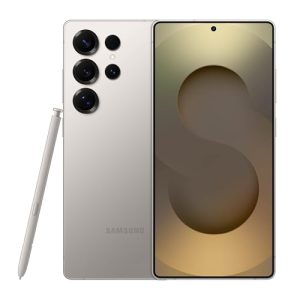
1. Samsung Galaxy S25 Ultra, 256GB

The Galaxy S25 Ultra suits creators who want the most flexible filming tool in a phone, because its three rear cameras cover wide, ultrawide and telephoto shots without swapping devices. The 200MP main camera works beside a 50MP ultrawide and a 10MP telephoto lens, and the 6.9-inch QHD+ Dynamic AMOLED 2X display gives you a large, bright viewfinder for framing shots outdoors. Night video gets a lift from the AI camera tools, and the Audio Eraser helps cut background noise from clips recorded in busy places. With 256GB of storage and a 5000mAh battery, it keeps going through long shooting days. The large display makes checking clips on location easier.
Specs
- 6.9-inch QHD+ Dynamic AMOLED 2X display
- 200MP wide, 50MP ultrawide and 10MP telephoto rear cameras
- 12MP front camera
- Snapdragon 8 Elite for Galaxy processor
- 12GB RAM and 256GB storage
- 5000mAh battery
- Android 15 with One UI 7
- AI Night Mode camera
- 2960 x 1440 resolution
- Built-in S Pen, unlocked for all carriers
Best for: creators who film in varied locations and want wide, ultrawide and telephoto options in one phone.
Watch out for: its large 6.9-inch frame needs a secure grip or a mount during long handheld sessions.
2. Google Pixel 10 Pro XL, 256GB

The Pixel 10 Pro XL fits filmmakers who prefer footage that looks natural straight out of the phone, with little grading or correction afterwards. Its triple rear camera system leans on Google’s computational processing to balance exposure and colour in tricky light, while the Gemini AI assistant helps with planning shoots and organising clips. The 6.8-inch Super Actua display stays clear in bright conditions, and 16GB of RAM keeps editing apps responsive when you trim footage on the device. A 5200mAh battery and 256GB of storage support full days of recording, and USB Type-C charging makes topping up simple between locations. Clean software keeps the camera quick to open.
Specs
- 6.8-inch Super Actua display
- Triple rear camera system
- Google Tensor G5 chip
- 16GB RAM and 256GB storage
- 5200mAh battery
- Fast-charging 24+ hour battery
- Gemini AI assistant
- Android with USB Type-C connection
- Fingerprint under display
- 2025 model year
- Obsidian finish
Best for: creators who want natural-looking footage and simple on-device editing without heavy grading.
Watch out for: the 6.8-inch body is a large handful, so check the grip and case options before long handheld shoots.
Which One Fits Your Situation
You Film Vlogs and Talk to the Camera All Day
Pick the phone whose front camera and microphones you trust most, since vlogging leans on both for hours at a time. The Pixel 10 Pro XL keeps faces and voices natural with minimal fiddling, which suits creators who publish quickly. The Galaxy S25 Ultra gives you more framing choices when you switch between talking heads and cutaway shots, plus a bigger screen for checking yourself while you record. Either way, test the front camera indoors before you commit.
You Shoot Travel Clips in Mixed Light
Travel filming jumps between bright streets, shaded alleys and dim interiors, so exposure handling matters more than any single lens. The Galaxy S25 Ultra covers the widest range of scenes with its three rear cameras, and its night video tools help after sunset. The Pixel 10 Pro XL balances colour and exposure cleanly when light changes fast, which keeps clips consistent across a day of walking. Whichever you choose, shoot a few test clips at dusk first.
You Record Family Moments Without Fuss
Family filming rewards a phone that is quick to open, simple to point and reliable in ordinary rooms. The Pixel 10 Pro XL suits this best, since its processing keeps skin tones and indoor light looking natural without menus to adjust. The Galaxy S25 Ultra works well too when you want zoom for school plays or sports days, and its large battery helps on long outings. Keep storage free before big events so the phone never stops mid-moment.
You Want One Phone for Filming and Everything Else
Most buyers need a daily phone first and a filming tool second, so weigh the everyday experience alongside the camera. The Galaxy S25 Ultra doubles as a note-taking and multitasking device thanks to its S Pen and large display, while the Pixel 10 Pro XL leans on Gemini AI and clean software for planning and organising. Both handle calls, messages and editing apps without trouble, so let the camera style you prefer settle the choice rather than any single specification.
Common Mistakes
- Judging a filming phone by its still photos alone and ignoring stabilisation, then finding every walking clip too shaky to publish on your channel.
- Letting old clips and unused apps fill the storage, then discovering there is no room left when a moment worth recording appears in front of you.
- Recording everything at the highest resolution by default, then running out of battery and storage long before the day ends, even on a phone with a large battery.
- Skipping a quick sound check before recording, then only noticing wind noise or muffled voices once the shoot is already over.
- Forgetting to wipe the lens before filming, so every clip carries a soft haze that editing can soften but never fully remove, no matter how good the camera is.
Frequently Asked Questions
Do I still need a gimbal with a filming smartphone?
Not always. Modern phones steady most walking shots well enough for vlogs and travel clips, and both phones here handle handheld footage without extra gear. A gimbal still helps for running shots, long tracking moves or very smooth cinematic sequences, and it saves your arms on extended shoots. Start without one, watch your footage honestly, and add a gimbal only if shake keeps spoiling clips you care about.
How much storage do I need for phone video?
256GB suits most creators, since it holds hours of footage alongside apps and photos, and both phones in this guide carry that amount. Heavy shooters who record long 4K sessions should offload clips to a computer or cloud storage regularly. Check how much space an hour of your usual recording settings uses, then keep at least a fifth of the storage free so the phone never stops mid-take.
Is a bigger sensor always better for phone video?
A larger sensor usually gathers more light and produces cleaner footage in dim rooms, but it is only part of the picture. Processing, stabilisation and lens quality shape the result just as much, and a well-tuned smaller sensor can beat a larger one that handles noise poorly. Compare real video samples in the light you shoot in most, since that is where sensor differences show up first.
Can a phone replace a dedicated camera for YouTube?
For many channels it can, especially vlogs, tutorials and travel videos where convenience and quick uploads matter. Phones now record sharp, stable footage with good colour, and they edit and publish from the same device. Dedicated cameras still win for shallow depth of field, long zoom work and controlled lighting setups. If your channel relies on those looks, keep a camera; otherwise a strong filming phone covers most YouTube work.
More from Amazon
Programs that pair well with the guide above. Offers and eligibility are set by Amazon and may change.
Free shipping on eligible items, Prime Video and more. Eligible new members can start with a free trial.
Start a Prime free trialAd-free music streaming. Eligible new subscribers can start with a free trial.
Try Music Unlimited freeA Prime membership for ages 18-24 with a trial period. Eligibility is set by Amazon.
See Prime for Young AdultsAudiobooks and podcasts to listen to on the go. Eligible new members can start with a free trial.
Try Audible freeAs an Amazon Associate we earn from qualifying purchases.

Write Your Review
No reviews yet. Be the first to share your experience!