

Key takeaways
- Compare three cameras for outdoor photography, including weather-sealed mirrorless bodies and a compact hybrid body, with detailed specs and buying guidance.
Outdoor photography asks more from a camera than studio work does. You carry it for hours over uneven ground, shoot in drizzle, dust, bright sun, and fading evening light, and get one chance at a moving subject before it is gone. The right camera is not the one with the highest resolution. It is the one that keeps working when conditions turn rough, focuses fast enough to catch wildlife and action, and stays light enough to carry on a long trail.
This guide covers three cameras for outdoor shooters. Hikers who want a light kit will like the OM SYSTEM OM-5, which arrives with a compact zoom lens and a weather-sealed body built for the trail. Wildlife and sports shooters who need reach and speed will lean toward the Canon EOS R7, a fast APS-C body with strong autofocus. Hybrid shooters who split time between stills and video will find the Sony Alpha 6700 a strong middle ground, with AI subject recognition and 4K video in a compact body.
Quick Picks
As an Amazon Associate we earn from qualifying purchases
| Product | Best for | Key spec from title |
|---|---|---|
| Canon EOS R7 (Body Only) | Wildlife and fast action outdoors | 32.5 MP APS-C sensor, 4K 60p video |
| OM SYSTEM OM-5 Black with 12-45mm f/4 PRO Kit | Lightweight hiking and travel | Weather-sealed design, 50MP Handheld High Res Shot |
| Sony Alpha 6700 (Body Only) | Hybrid stills and video outdoors | 26 MP sensor, 4K video, AI-based subject recognition |
How to Choose
Weather protection and build quality
Rain, dust, sand, and sudden temperature changes are part of outdoor photography, so build quality matters as much as image quality. Look for a camera whose maker describes sealed seams and a dust and moisture resistant construction, and remember that a body is only as protected as the lens mounted on it. A sealed body paired with an unsealed lens still leaves a weak point at the mount. Also think about grip and controls: large dials and buttons are easier to use with gloves on, and a tilting screen helps when you shoot low to the ground or above a crowd. A camera that feels secure in cold or wet hands will get used more than one that does not.
Sensor size, resolution, and low light
Outdoor light changes fast, from harsh midday sun to deep shade under trees and dim dawn light. A larger sensor generally gathers more light and keeps noise lower at high ISO settings, which helps at dawn and dusk. Higher resolution gives you room to crop into a distant animal or a faraway peak, which is useful when you cannot walk any closer. But resolution is not everything: a moderate-resolution sensor with clean high ISO files can be more useful than a very high-resolution sensor that struggles after sunset. Match the sensor to the light you shoot in most, not to the biggest number on the box.
Autofocus and burst speed
Wildlife, birds, children, and athletes rarely hold still, so autofocus speed and burst rate decide whether you come home with the shot. Look for a camera with subject detection that can lock onto people, animals, or vehicles, and check how many frames per second it can shoot while keeping focus. A fast burst rate is only useful if the buffer clears quickly and the memory cards keep up, so dual card slots and fast card support are worth having. For landscapes and slow-moving scenes, autofocus speed matters less, and you can put more weight on resolution, dynamic range, and a good tripod thread.
Size, weight, and battery life
A camera that stays at home because it is too heavy is no use on a mountain trail. Compare the full kit weight, body plus lens plus spare batteries, not just the body on its own. Smaller Micro Four Thirds and APS-C systems save real weight over full-frame kits, and that difference adds up over a full day of walking. Battery life matters just as much: cold weather drains batteries faster, and outdoor locations rarely have a place to recharge. Carry at least one spare battery, keep it warm in an inside pocket, and check how many shots the maker rates the battery for before you commit.
The 3 Best Options
Canon EOS R7 (Body Only)

The Canon EOS R7 is a fast APS-C mirrorless body built for photographers who chase moving subjects outdoors. Its 32.5 megapixel sensor gives generous room to crop into distant wildlife, while the Dual Pixel CMOS AF II system tracks people, animals, and vehicles across up to 651 zones. Burst shooting reaches 15 frames per second with the mechanical shutter, and 4K 60p video covers the moments when a still is not enough. At around 1.1 pounds for the body, it stays manageable on long walks, and the in-body stabilisation helps when you shoot handheld at slower shutter speeds.
Specs
- 32.5 MP APS-C CMOS sensor
- DIGIC X image processor
- 4K 60p video recording
- Dual Pixel CMOS AF II with up to 651 AF zones
- 15 fps mechanical shutter, 30 fps electronic shutter
- 5-axis in-body image stabilisation with up to 7 stops of correction
- Native ISO range 100-32000
- Dual SD/SDHC/SDXC UHS-II card slots
- 3-inch tilting touchscreen LCD
- Body weight approximately 1.1 pounds
Best for: Wildlife, birds, sports, and action photography outdoors where reach, speed, and autofocus matter most.
Watch out for: Sold as a body only, so you need to add an RF-mount lens before you can shoot, and a telephoto lens adds noticeable weight and bulk to the kit.
OM SYSTEM OM-5 Black with 12-45mm f/4 PRO Kit

The OM SYSTEM OM-5 is the lightest kit in this guide and the easiest to carry all day on a trail. Its Micro Four Thirds sensor sits inside a compact, weather-sealed body, and the included 12-45mm f/4 PRO zoom covers wide landscapes through to short telephoto views without a lens change. Five-axis image stabilisation steadies handheld shots at slow shutter speeds, and the 50MP Handheld High Res Shot mode builds detailed images of still scenes such as architecture and landscapes. The whole kit is small enough to fit in a day pack beside water, food, and a rain layer.
Specs
- Micro Four Thirds system camera with 20.4MP BSI Live MOS sensor
- M.Zuiko Digital ED 12-45mm F4.0 PRO kit lens included
- Weather-sealed design
- 5-axis image stabilisation
- 50MP Handheld High Res Shot
- 4K video recording
- Compact and lightweight body
Best for: Hikers, travellers, and landscape photographers who want a light, weather-sealed kit that is ready to shoot straight out of the box.
Watch out for: The smaller Micro Four Thirds sensor gathers less light than larger APS-C sensors, so low-light performance at dawn and dusk is more limited.
Sony Alpha 6700 (Body Only)
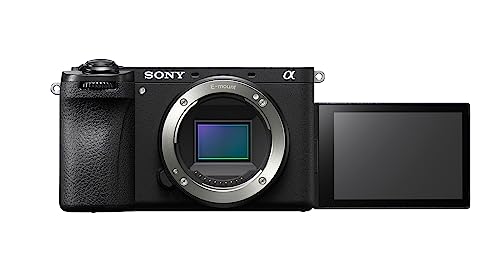
The Sony Alpha 6700 packs advanced autofocus and video features into a compact APS-C body that suits hybrid outdoor shooters. Its 26 megapixel Exmor R sensor pairs with the BIONZ XR processor and a dedicated AI processing unit that recognises people, animals, birds, and other subjects, holding focus even when a subject moves unpredictably. Video reaches 4K at up to 120p, and log shooting support gives video editors more room to grade footage from a bright mountain scene. The E-mount system also gives access to a wide range of lenses, from compact primes to long telephoto zooms for wildlife.
Specs
- 26 MP APS-C Exmor R CMOS sensor
- BIONZ XR image processor
- Dedicated AI processor for subject recognition
- 4K video recording, up to 4K 120p
- 11 fps continuous shooting
- Log shooting and LUT handling
- Sony E-mount lens system
- Compact APS-C mirrorless body
Best for: Hybrid shooters who want one compact body for outdoor stills and video, with reliable subject tracking for people, pets, and wildlife.
Watch out for: Sold as a body only, so budget for a lens, and the small body can feel cramped for large hands, especially when used with heavy telephoto lenses.
Which One Fits Your Situation
You hike long distances and want the lightest kit
Choose the OM SYSTEM OM-5. It is the smallest and lightest option here, it comes with a versatile zoom lens already attached, and its weather-sealed body is made for rain and dust on the trail. The smaller sensor is a fair trade for a kit you will actually carry to the top of the hill instead of leaving in the car.
You photograph wildlife, birds, or fast action
Choose the Canon EOS R7. The 32.5 megapixel sensor gives you cropping room for distant subjects, the autofocus tracks animals and vehicles, and the fast burst rate raises your chances of catching the decisive moment. Pair it with a telephoto zoom and you have a serious field kit for wildlife.
You shoot both photos and video outdoors
Choose the Sony Alpha 6700. Its AI subject recognition keeps focus on moving subjects in both stills and video, and the detailed 4K recording handles everything from a mountain vlog to a slow cinematic landscape clip. The broad E-mount lens range makes it easy to grow the kit over time.
You are buying your first serious outdoor camera
Choose the OM SYSTEM OM-5 kit if you want a complete, ready-to-shoot package with a lens included, or the Canon EOS R7 if you already own Canon lenses or plan to focus on wildlife. Either way, put a weather-sealed lens on a weather-sealed body, carry a spare battery, and learn the autofocus modes before your first big trip.
Common Mistakes
- Buying a sealed body and pairing it with an unsealed lens, which leaves the mount exposed to rain and dust.
- Choosing a camera by resolution alone and ignoring autofocus speed, burst rate, and battery life in the field.
- Carrying only one battery on a cold day, when low temperatures drain power faster than expected.
- Skipping a lens for a body-only camera and discovering on the morning of a trip that there is nothing to shoot with.
- Packing a heavy full kit for a long hike instead of one body, one versatile zoom, and a spare battery.
Frequently Asked Questions
Do I need a weather-sealed camera for outdoor photography?
Not always, but it helps a lot if you shoot in rain, dust, snow, or coastal spray. A weather-sealed body protects the camera from moisture and grit, which are the most common causes of field failures. If you mostly shoot in fair weather, a standard body with a rain cover and sensible care will serve you well, and you can put the money toward a better lens instead.
Is a body-only camera a good choice for a beginner?
A body-only camera suits beginners who already own compatible lenses or who want to choose a lens for a specific kind of photography. If you own no lenses at all, a kit with a lens included is simpler and usually better value, because you can begin shooting immediately. Either way, check the lens mount and confirm the lens you plan to buy fits the body before ordering.
How many megapixels do I need for outdoor photography?
For most outdoor work, including prints and online sharing, a sensor in the 20 to 33 megapixel range is plenty. More megapixels help when you crop heavily into distant wildlife, but they also produce larger files and demand sharper technique. Low-light performance, dynamic range, and autofocus matter more for outdoor results than chasing the highest megapixel count available.
What should I pack besides the camera for a day outdoors?
Pack a spare battery, a fast memory card plus a backup, a lens cloth, and a small rain cover or plastic bag for sudden showers. A lightweight tripod helps for landscapes and low-light scenes, while a comfortable strap spreads the weight on long walks. Keep the spare battery warm in an inside pocket, since cold shortens battery life noticeably.
More from Amazon
Programs that pair well with the guide above. Offers and eligibility are set by Amazon and may change.
Free shipping on eligible items, Prime Video and more. Eligible new members can start with a free trial.
Start a Prime free trialAd-free music streaming. Eligible new subscribers can start with a free trial.
Try Music Unlimited freeA Prime membership for ages 18-24 with a trial period. Eligibility is set by Amazon.
See Prime for Young AdultsAudiobooks and podcasts to listen to on the go. Eligible new members can start with a free trial.
Try Audible freeAs an Amazon Associate we earn from qualifying purchases.



Write Your Review
No reviews yet. Be the first to share your experience!